


Sorry, 8K TVs Have Flopped
TV makers imagined the future would be filled with even more pixels, but the 8K promised land was never to be. One more major company has effectively called off its plans for big, expensive 8K TVs, leaving only Samsung holding the torch for a screen type that few, if anybody, actually want.
LG, one of the most prominent TV and display manufacturers in the world, is exiting the 8K TV market without much fanfare. The company told FlatpanelsHD that it was “taking a comprehensive view of current display market trends and the trends within the 8K content ecosystem.” In human speak, that means it’s putting 8K TVs on ice, at least for now.
See LG QNED MiniLED 8K TV at Best Buy
This past weekend, FlatpanelsHD quoted several anonymous sources to say the company’s latest 8K TV, the QNED99TUA mini LED, was being discontinued. Currently, the TV is on sale for $2,500 at 86 inches, more than half off from its regular $5,300 price. It’s clear based on the muffled rumblings and shrugs coming from the screen-loving crowd that there aren’t many tears being shed for 8K’s demise.
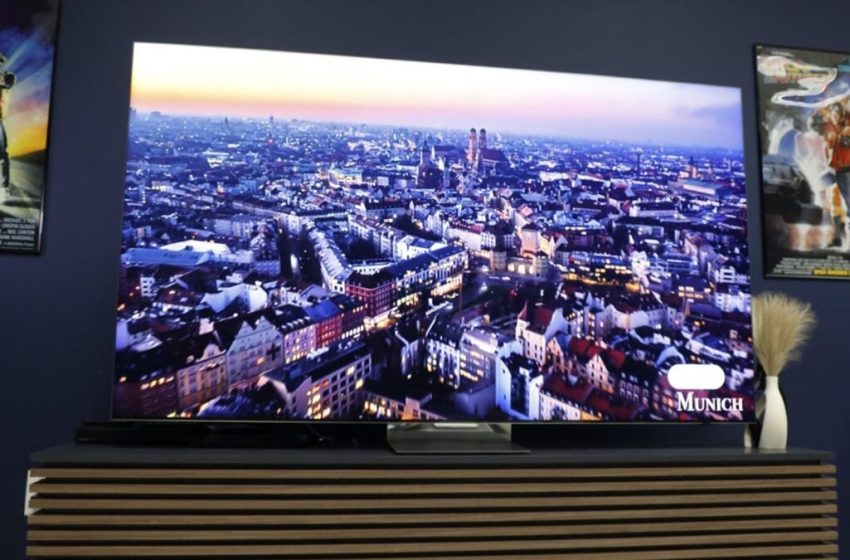
Samsung is practically the only major player trying to make 8K work with the most recent 98-inch QN990H. It announced the 8K TV at CES 2026 without any details about pricing and availability. Back in 2020, the Korean tech giant offered three 8K TV models; now it can’t even bother to tell us more about one. I’ve spent time in front of Samsung’s previous 8K models, like the $5,000 QN900D, and the experience left me underwhelmed. There’s very little wrong with Samsung’s picture quality and brightness, but even when watching native 8K content, I was hard-pressed to find the difference between it and 4K. You would need an exceptionally large TV to spot any more clarity from 4K to 8K, and that’s if you can find something to watch at that resolution.
Next to no 8K content to watch
Console makers have also walked back their 8K ambitions. Sony’s PlayStation 5 shipped in 2020 with a blaring “8K” sticker on their box art. Only a bare few games ever supported the resolution, including titles like No Man’s Sky and The Touryst. A few more games like Gran Turismo 7 support the extra pixels on PlayStation 5 Pro thanks to upscaling. In 2024, Sony started removing the “8K” support notice on the box.
Paul Gray, an analyst for the research firm Omdia, told FlatpanelHD back in 2024 that only 1.6 million 8K TVs had been sold since companies started pushing the resolution to Japanese audiences in 2015. In the same time frame, 4K TVs have been growing like weeds. S&S Insider reported the market for ultra high-definition (UHD) is valued at $305.58 billion, with 70% of buyers in North America and Western Europe preferring 4K. You can’t walk through a Best Buy without tripping on at least a dozen varieties of UHD TVs.
TCL and Sony have both abandoned the 8K TV game. In particular, TCL was more willing to say the quiet part out loud. In 2023, the major budget TV brand said, “Looking at the market, it is not what people had expected.” In January 2026, Sony handed TCL the keys to its TV kingdom, announcing TCL is taking a 51% stake in its TV business. Starting next year, the budget brand will produce Sony’s high-end Bravia OLEDs and QLEDs.
TV buyers were given every opportunity to choose 8K, but few—if any—ever took the bite. The HDMI 2.2 standard boosted the signal to support higher resolutions, with 8K resolutions able to support 240Hz refresh rate. It changed little about the actual market. Judging by this past CES’s long lineup of new TVs, the new hotness isn’t higher pixel counts, but novel screen types ranging from tandem OLED to WOLED (for brighter organic light-emitting diode displays) and more compact micro RGB TVs promising better color accuracy with local dimming. Screen resolution has plateaued, but screen makers are still trying to craft the next big thing.
First Appeared on
Source link






