


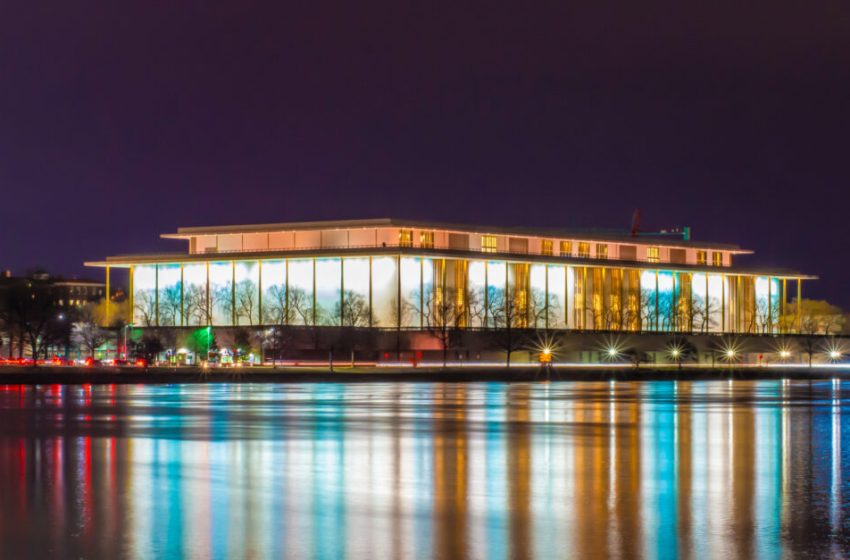
Kennedy Center to Close for 2 Years Following Artistic Cancellations
Kennedy Center to Close for 2 Years Following Artistic Cancellations
Trump announced that the Washington, D.C. institution will be closed for renovations.
The Kennedy Center
Shutterstock
This article was updated February 2 to include a statement from Senator Sheldon Whitehouse.
The Kennedy Center will be closed for two years, beginning July 4, wrote President Trump in a Truth social post February 1. The reason, wrote Trump: renovations. “I have determined that The Trump Kennedy Center, if temporarily closed for Construction, Revitalization, and Complete Rebuilding, can be, without question, the finest Performing Arts Facility of its kind, anywhere in the World. In other words, if we don’t close, the quality of Construction will not be nearly as good.”
It’s not immediately clear what Trump intends to do or what the problem areas are with the existing building; his note pointed to both renovations of the existing structure and “construction of the new and spectacular Entertainment Complex.” Playbill has reached out to the Kennedy Center for comment.
Through Trump did not mention it, this announcement comes after a wave of artists have canceled their engagements at the Washington, D.C. institution—a result of his takeover of the institution last year and installing himself as chairman of its board. Most recently, composer Philip Glass canceled the world premiere of his Symphony No. 15 (a tribute to Abraham Lincoln). The Washington National Opera have announced they will no longer perform at the Center. Hamilton also canceled its touring engagement at the Center. The Center recently hired Kevin Couch, as its senior vice president of artistic programming; Couch resigned less than two weeks after he was announced.
As a result of all this turmoil, ticket sales at the Center have fallen; the recent Kennedy Center Honors, which Trump hosted, garnered its lowest ratings on CBS ever. Ever since he’s taken over the Kennedy Center, Trump has been determined to remake the institution in his image. The board has even renamed it the Trump Kennedy Center—though Trump’s name is now on the Center’s walls, changing it officially requires Congressional approval.
Senator Sheldon Whitehouse, a Democrat from Rhode Island and Ranking Member of the Senate Environment and Public Works Committee, characterized Trump’s plans as “suspect and illegal” and part of the President’s “demolition tour of Washington,” in reference to Trump tearing down the East Wing of the White House to build a ballroom.
Said Whitehouse: “[Trump] illegally slapped his own name on the living memorial to President Kennedy, literally silencing Trustees who tried to speak up against it. Now, with his hostile takeover leading to artists’ withdrawals and declining ticket sales, he is covering up his failures by shuttering a national landmark that belongs to the American people—and he’s announcing it as a fait accompli before input from the Board, Congress, and others, as law and precedent dictate.”
Whitehouse has launched an investigation into the financials of the Kennedy Center, accusing the new leadership of corruption and mismanagement of the center’s $268 million budget. Whitehouse has requested the Center’s financial records, which have not been provided.
Trump had previously accused the Kennedy Center’s former leadership of mismanaging funds and letting the building fall into disrepair; he’s since secured $257 million from Congress for capital repairs and other expenses in last year’s One Big Beautiful Bill—much more than the institution had previously received.
Kennedy Center former president Deborah Rutter, who Trump fired and replaced with Richard Grenell, denied the allegations. In an interview last year, she said: “Perhaps those now in charge are facing significant financial gaps and are seeking to attribute them to past management, which would include the Board of Trustees, some of whom were appointed by President Trump, in his previous term. This malicious attempt to distort the facts, which were consistently, transparently, and readily available in professionally audited financial reports, recklessly disregards the truth.”
First Appeared on
Source link






