


Liver Health: “I don’t drink, so my liver must be fine”: Doctor explains why that’s wrong and what causes liver issues in non-drinkers |
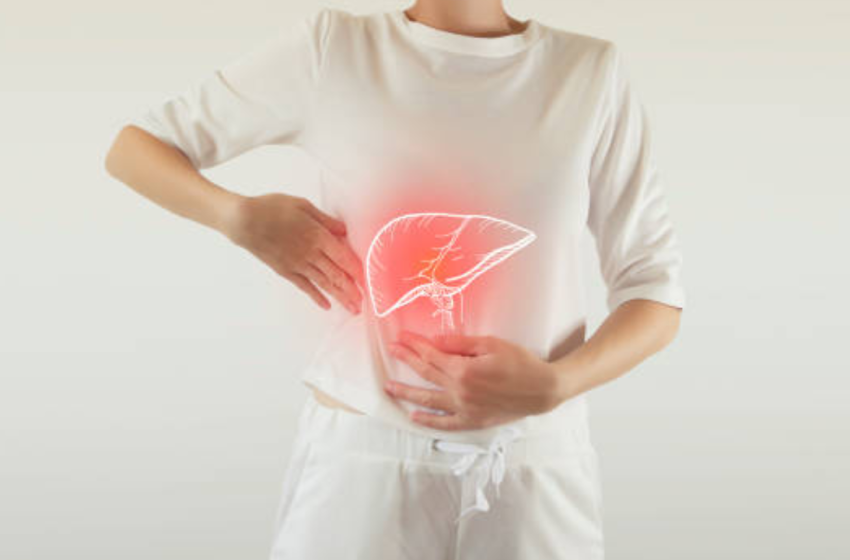
Most of us don’t think about our liver at all. Not when we wake up. Not when we eat. Not even when we’re stressed about work or money. The heart gets all the attention. So do the lungs, the brain, even the gut these days. But the liver? It just quietly does its job in the background. And that’s exactly why it gets ignored.Liver problems don’t look dramatic at first. No bandages. No visible symptoms. No instant feedback. You can drink a little too much, eat poorly, sleep less, and nothing seems to happen. So the habit continues. And continues. Until one day it doesn’t.
Then there are myths. There’s this common myth that only alcohol can mess up your liver. And yeah, alcohol can be rough on it, no doubt. But it’s far from the only culprit. Junk food, sugary drinks, constant snacking, and a lazy routine can damage your liver just as quietly. So can untreated diabetes, crash diets, and even some everyday medicines when taken carelessly. The scary part? You might not feel anything at first. The liver keeps working, no complaints. So people assume they’re fine because they don’t drink. But a non-drinker with bad habits can still end up with a fatty liver. The liver doesn’t care about labels, only load.We at TOI Health spoke to Dr. Dhruv Kant Mishra, Consultant – Gastroenterology & Hepatology, Yatharth Super Speciality Hospital Faridabad about this misconception.Good fasting sugar but high HbA1c: How is that possible? Doctor clears the confusion around diabetes tests
Many people assume only alcohol harms the liver—can you explain why that’s not true?
It is a very common misconception that only alcohol damages the liver. Alcohol is just one of many stressors. The liver is the body’s main chemical processing unit, so anything we eat, inhale, inject or metabolise passes through it. Obesity, diabetes, high cholesterol, certain medications, herbal supplements, viral infections and even autoimmune conditions can injure liver cells. Apart from that, specially in India, fatty liver related to metabolic syndrome is far more common than alcohol related liver disease. So a person who has never touched alcohol can still develop significant liver inflammation, scarring and even cirrhosis.
What are the most common causes of liver damage in people who don’t drink?
The most common cause in non drinkers now is non alcoholic fatty liver disease which is closely linked to obesity, insulin resistance and type 2 diabetes. Rapid weight gain, sedentary lifestyle and high sugar diets play a major role. Chronic viral hepatitis B and C are also important causes in our country. Certain long term medications including some painkillers, anti tuberculosis drugs and supplements taken without supervision can cause liver injury. Autoimmune hepatitis, where the body attacks its own liver cells, and genetic conditions like Wilson’s disease or hemochromatosis though less common are also important causes.
Are there warning signs or symptoms that non-drinkers should watch for when it comes to liver health ?
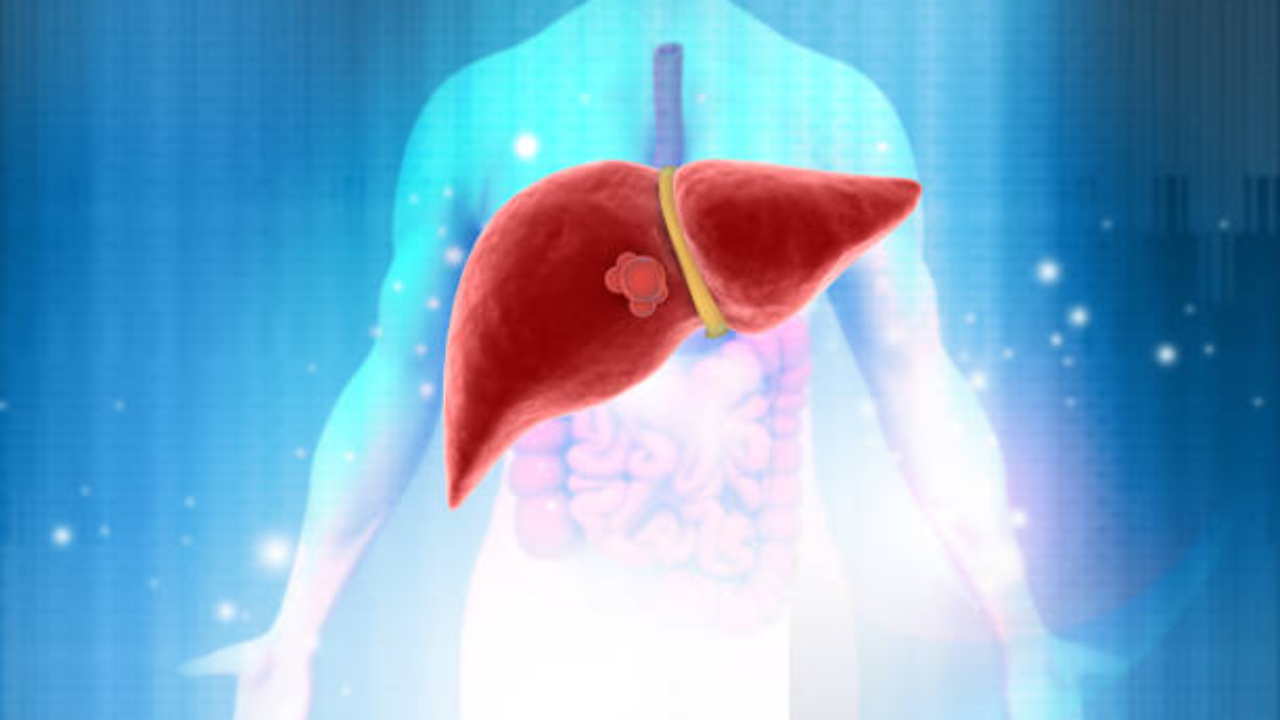
Early liver disease is often silent which is why it gets missed. Many patients have no symptoms at all. Some may notice persistent fatigue, mild discomfort or heaviness in the right upper abdomen, loss of appetite or unexplained weight changes. As damage progresses there can be jaundice, swelling of feet, abdominal distension due to fluid, itching or easy bruising. Non drinkers especially those with diabetes, obesity or a family history of liver disease should not assume they are safe just because they do not consume alcohol.
What simple tests can non-drinkers get to check liver health before serious problems develop?
The simplest starting point is a basic liver function test which is a blood test checking enzymes like AST and ALT, bilirubin and protein levels. An ultrasound abdomen is a very useful and non-invasive way to detect fatty liver or structural changes. In selected cases a FibroScan can assess liver stiffness and detect early fibrosis without a biopsy. For those at risk, periodic screening under medical guidance helps detect problems at a stage where lifestyle modification and treatment can reverse or halt progression.
First Appeared on
Source link






