


A Mysterious Bat Virus in Bangladesh Is Deadlier Than We Thought, and Now Infecting Humans
Between late 2022 and early 2023, five patients arrived at hospitals in Bangladesh with symptoms that screamed “Nipah virus.” They were feverish, struggling to breathe, and slipping into dangerous brain inflammation. Nipah (NiV) is a notorious killer. It’s a bat-borne, zoonotic virus with a mortality rate that can hit a staggering 70%.
But the PCR tests came back negative.
Now, a new study has identified the real culprit: Pteropine orthoreovirus (PRV). While we once thought this virus only caused mild colds, these new cases prove it can be much more devastating.
A Traditional, Dangerous Practice
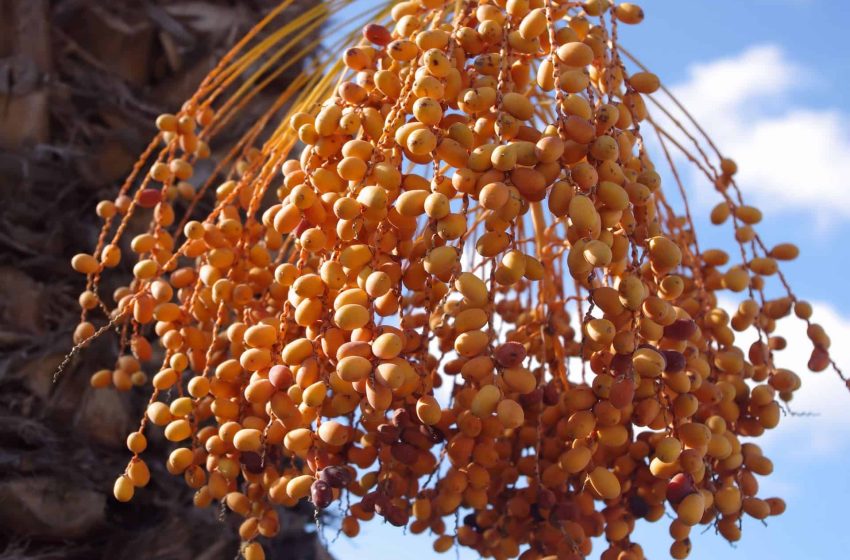
For generations, people in Bangladesh have gathered to collect sap from date palms. They hang clay pots high in the trees to catch the syrupy, sweet nectar overnight. It’s a beloved local treat.
But humans aren’t the only ones looking for this snack. Pteropus bats, the massive “flying foxes” of South Asia, frequently visit these pots to lick the sap. Unfortunately, they can also transmit several life-threatening diseases like Nipah.
When the five patients arrived in critical condition, doctors were baffled. The patients lived hundreds of miles apart and didn’t know each other. They shared only two things: they had all recently downed a glass of raw date palm sap, and they were all fighting for their lives.
Searching for answers, researchers sent throat swabs to the Center for Infection and Immunity at Columbia University. Using high-tech sequencing, scientists confirmed the link to the sap.
“Our findings show that the risk of disease associated with raw date palm sap consumption extends beyond Nipah virus,” said Nischay Mishra, PhD, associate professor of epidemiology at the Center for Infection and Immunity (CII), Columbia University Mailman School of Public Health, and senior author of the study. “It also underscores the importance of broad-spectrum surveillance programs to identify and mitigate public health risks from emerging bat-borne viruses.”
Anatomy of a Master Shifter
PRV was first described about a decade ago, extracted from a flying fox. It’s a “non-enveloped” virus. Unlike the virus that causes COVID-19, PRV lacks a fatty outer layer, making it tougher to get rid of with simple soap. Its genome is made of ten distinct segments of double-stranded RNA.
This segmented nature is vital because it makes the virus a master of the “reassortment” game. If two different strains of PRV infect the same bat, they can swap segments like trading cards, potentially creating a new version of the virus that is more contagious or more lethal to humans.
But what’s even more concerning is that the virus seems to be more dangerous to humans than previously considered.
When the team followed up with the patients fifteen months later, they found that the virus had left a lasting mark. Two of the survivors were still battling persistent fatigue and “brain fog.” They struggled with their balance and had difficulty breathing long after the initial infection should have cleared. Even more tragic was the fate of the patient from Sirajganj. After a year of declining health and unexplained neurological problems, he died in August 2024.
In previous cases found in Malaysia and Indonesia, PRV was mostly linked to mild coughs and colds. But the Bangladesh cases tell a different story.
The Viral Lottery
If the thought of another bat virus gave you chills, your reaction is justified. Bats have remarkably strong immune systems. So, the viruses that survive their systems also tend to be very strong (and very dangerous).
It’s not easy for viruses to jump from one species to another. It’s a bit like winning the lottery (for the virus). But the more you interact with the species transmitting the virus, the more lottery tickets the virus gets.
If this happens, there’s a small chance that the virus can adapt once more and start jumping from humans to humans. We’ve seen this script before. We know that PRV strains in Malaysia have already shown signs of limited human-to-human transmission. When you combine that potential with the virus’s ability to swap genes, you have a recipe for a public health crisis. We could end up with another COVID-like crisis, or worse.
This means doctors need to broaden their scans. Currently, they’re looking at Nipah, and less at PRV. Judging by this study, that’s not good enough.
The problem is that this requires more funds and more specialists on the ground, at a time when (to give just one example) the US is withdrawing its support for such programs, although this is a risk for the entire planet. Bangladesh and other developing countries exposed to such diseases need more support if they are to contain such threats.
In the meantime, public health officials in Bangladesh have been shouting this from the rooftops for years: Stop drinking raw sap. If the sap is boiled, the heat destroys the virus, making it perfectly safe to enjoy. But the challenge is cultural. The “raw” taste is prized, and changing a tradition that dates back centuries is an uphill battle.
Journal Reference: Sharmin Sultana, Ariful Islam, James Ng, Sunil Kumar Dubey, Manjur Hossain Khan, Cheng Guo, Mohammed Ziaur Rahman, Joel M. Montgomery, Syed Moinuddin Satter, Tahmina Shirin, W. Ian Lipkin, Lisa Hensley, Nischay Mishra. Bat Reovirus as Cause of Acute Respiratory Disease and Encephalitis in Humans, Bangladesh, 2022–2023. Emerging Infectious Diseases, 2025; 31 (12) DOI: 10.3201/eid3112.250797
First Appeared on
Source link







