


Scientists Find Strange Circles in Scottish Waters, But They Might Not Last Long
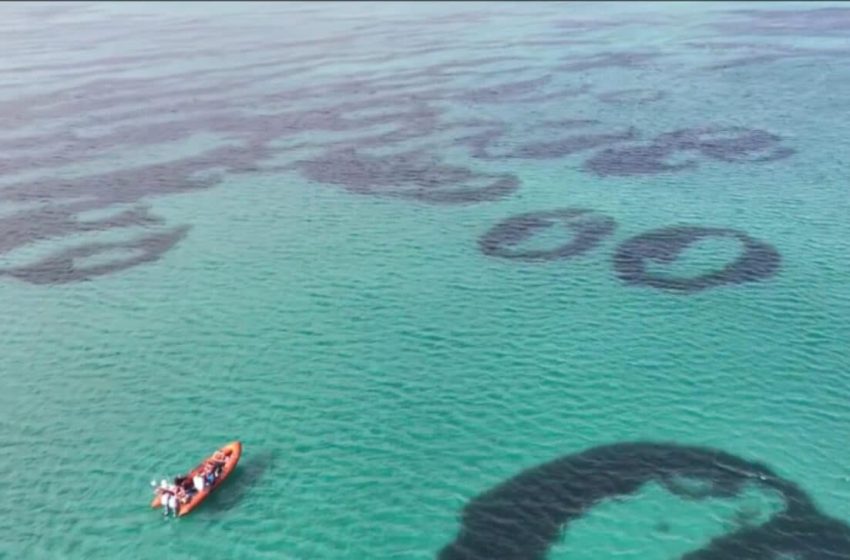
For the first time, aerial footage has captured these strange circular formations, believed to be made of seagrass, though no one fully understands how they form. The phenomenon occurs against the backdrop of a declining seagrass population, which has been under threat for nearly a century due to various environmental pressures.
Once abundant along Scotland’s shores, seagrass meadows played a crucial role in the environment, providing everything from coastal protection to habitat for marine life. However, a combination of disease outbreaks, pollution, and climate change has decimated these underwater ecosystems. Now, researchers are working to restore them, but with the future of these vital habitats hanging in the balance, the appearance of these fairy circles adds an extra layer of intrigue and urgency.
The Collapse of Seagrass Meadows
Scotland’s seagrass beds were once so widespread that they had multiple uses, from thatching roofs to improving soil quality as a fertilizer. However, in the 1930s, a severe outbreak of Labyrinthula macrocystis, a pathogen that typically coexists with seagrass, wiped out vast swathes of the meadows in what became known as wasting disease. Despite some recovery efforts, further outbreaks in the 1980s and ongoing environmental pressures, such as coastal pollution and overfishing, have prevented full restoration, reports Popular Mechanics.
Seagrass plays a critical role in coastal ecosystems, stabilizing sediments, reducing tidal energy, and providing food and shelter for various marine species. Furthermore, it is known for its ability to sequester carbon, trapping greenhouse gases in its biomass and soil, which helps mitigate climate change. With seagrass habitats so integral to maintaining a healthy marine environment, their ongoing decline is a significant environmental concern.
Efforts to Protect and Restore Seagrass Habitats
In recent years, NatureScot, Scotland’s nature agency, has made efforts to protect and restore seagrass meadows across the country. Seagrass beds are now classified as a Scottish Priority Marine Feature (PMF), meaning they are protected under specific environmental policies. Fishing practices, such as dredging, which can damage seagrass habitats, have been restricted in certain areas to give the meadows a chance to recover.
While challenges remain, there are signs of hope. After improvements in water quality, populations of Zostera noltii, a species of seagrass, have started to thrive in places like Loch Ryan and the Firth of Forth. Similarly, in Solway Firth, seagrass populations are making a comeback following the cessation of dredge fishing. These localized recoveries suggest that with proper protection and restoration efforts, seagrass habitats may have the potential to bounce back in some areas.
The Enigmatic Fairy Circles
Among the ongoing efforts to revive seagrass, the recent discovery of “fairy circles” in the waters of the Outer Hebrides has sparked both curiosity and concern. These mysterious circles, previously part of local folklore but never captured on film, are believed to be the result of seagrass growth. Experts are still uncertain about the exact cause of these formations, but they could be a sign of the ecosystem’s gradual recovery.
While these circles have an almost magical appearance, they underscore a larger point: seagrass meadows are not only important for marine biodiversity but also for mitigating climate change. As NatureScot researchers continue their work to monitor and protect these habitats, the fairy circles remain a symbol of hope, however mysterious, amid the broader battle to restore Scotland’s coastal ecosystems.
First Appeared on
Source link






