


Denmark Just Switched to Red Streetlights, Solving a Problem Every Modern City Deals With
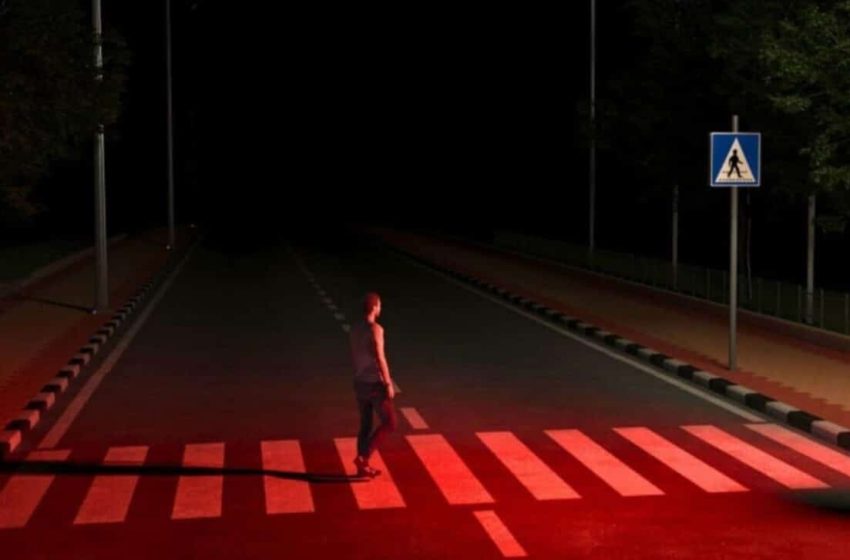
A quiet transformation is underway in Gladsaxe, Denmark, where urban lighting is evolving to protect local wildlife without compromising public safety. In this municipality near Copenhagen, red LED streetlights have been installed along key roadways, offering a potential model for cities worldwide grappling with the environmental impact of artificial lighting. The initiative targets light pollution and seeks to reduce disruptions to nocturnal species, particularly bats, which are sensitive to urban light.
This innovative shift is rooted in scientific research and aligns with global sustainability efforts. In doing so, it represents more than just a change in lighting color. It is a rethinking of how cities can evolve their infrastructure to meet pressing environmental goals, preserve local ecosystems, and manage the growing challenges of urban development.
Reducing Light Pollution to Protect Wildlife
In most urban areas, artificial light serves primarily to ensure safety and improve visibility for pedestrians and drivers. However, growing evidence suggests that traditional lighting systems disrupt natural ecosystems. Species such as bats, which rely on echolocation for navigation and feeding, are particularly vulnerable to artificial light. Research shows that short-wavelength lights—like those in white, blue, and green spectrums—disrupt their behavior, leading to altered migration patterns and disrupted feeding cycles.
In contrast, red-spectrum lighting has been found to have minimal impact on bat activity. In Gladsaxe, the decision to replace standard white lights with red LEDs along Frederiksborgvej, a road near a local bat colony, is designed to protect species such as the common pipistrelle and the brown long-eared bat. This shift is based on evidence that red light interferes less with nocturnal species, offering a sustainable compromise between ecological protection and the need for public illumination.
The implementation of red lights is a targeted effort to reduce the impact of street lighting on local bat populations, ensuring their ability to forage and navigate while maintaining road safety. This innovation follows findings from the Danish Road Directorate, which highlighted how artificial light affects bat behavior in close proximity to their feeding corridors and roosting areas. Gladsaxe’s project has become a key part of Denmark’s broader sustainability strategy, linking urban development with environmental responsibility.
A Broader Push for Sustainable Urban Infrastructure
The introduction of red lighting in Gladsaxe is part of the EU-funded Lighting Metropolis – Green Mobility program, which also involves cities across Denmark and Sweden. The program aims to reduce the environmental footprint of urban lighting while maintaining energy efficiency and road safety.
The move to red LEDs aligns with sustainable city goals and offers multiple benefits. These energy-efficient lights reduce power consumption compared to older systems like sodium vapor lamps. Additionally, they require less maintenance and integrate smart lighting technologies that adjust brightness based on real-time data, further improving energy efficiency.
The system also contributes to climate action and supports Denmark’s broader commitment to meeting the UN Sustainable Development Goals (SDGs), particularly Goal 7 (clean energy), Goal 11 (sustainable cities), and Goal 15 (life on land).
By prioritizing ecological sensitivity, Gladsaxe’s initiative sets a precedent for other cities aiming to create more sustainable urban environments. This shift not only addresses energy use but also highlights how city planning can be aligned with environmental conservation efforts. It demonstrates that cities can reduce their carbon footprint while also preserving local biodiversity.
Visual Cues and the Role of Red Lighting
Beyond its ecological benefits, the introduction of red lights serves an important symbolic function. Red lighting becomes a visual marker for areas where urban development intersects with wildlife protection. In Gladsaxe, the red lights are intended to remind residents and commuters that these spaces are home to vulnerable species and must be respected.
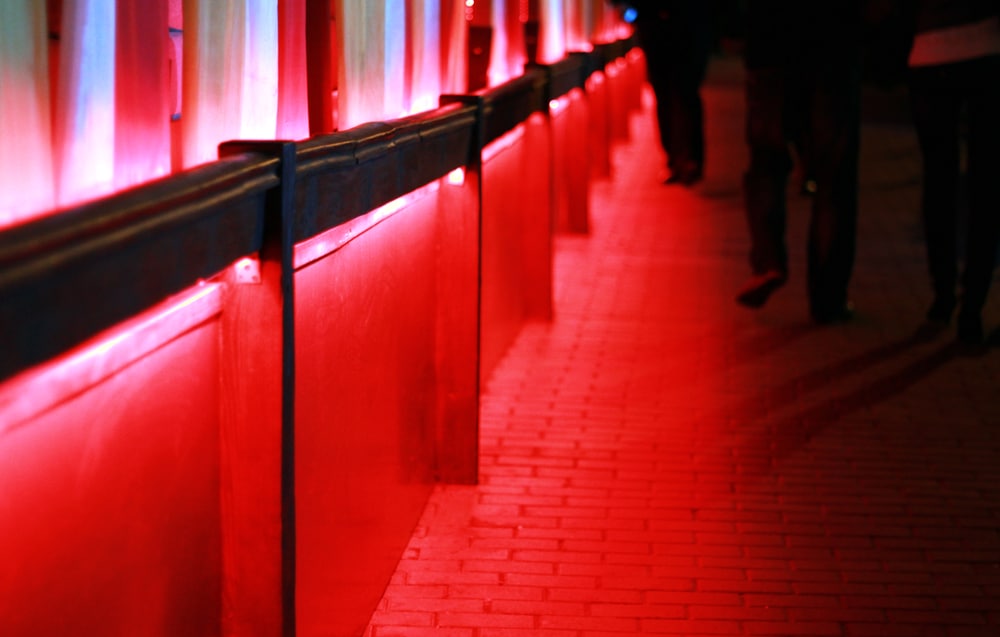
This thoughtful use of lighting design is not just about functionality; it’s about creating public awareness. As environmental concerns continue to grow, Gladsaxe’s red lighting may serve as a model for other municipalities, showing that urban lighting can signal more than just the physical boundaries of a city—it can reflect a commitment to protecting ecosystems. The red light initiative in Gladsaxe is directly aligned with the principles of sustainable urban living outlined by global efforts, including the Lighting Metropolis program.
Although initial reactions to the new lighting have been generally positive, the success of the project will ultimately depend on continued monitoring and research. Gladsaxe is closely tracking bat activity to evaluate the effectiveness of the red lights in reducing disruptions. The municipality plans to release updated data in the coming months to assess whether these changes have a lasting, positive impact on local wildlife.
First Appeared on
Source link






