


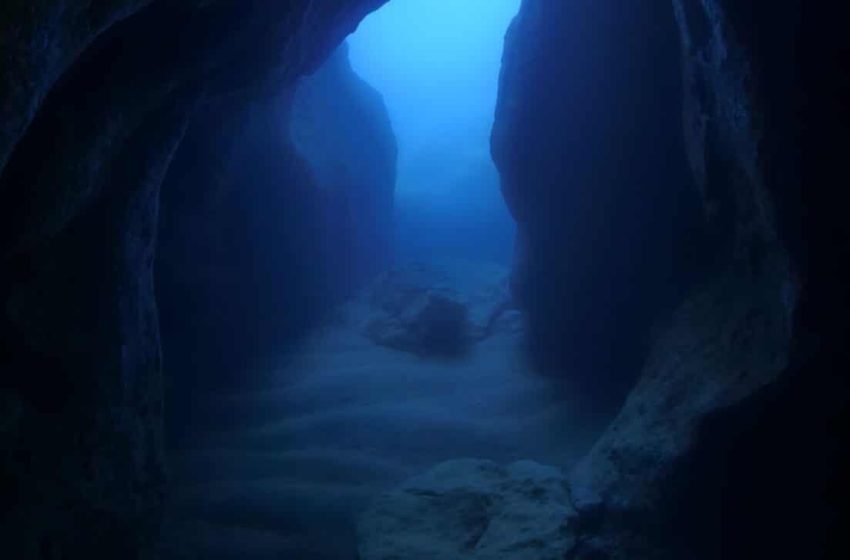
Scientists Just Discovered What Created This Massive, Mysterious Ocean Canyon Bigger Than the Grand Canyon!
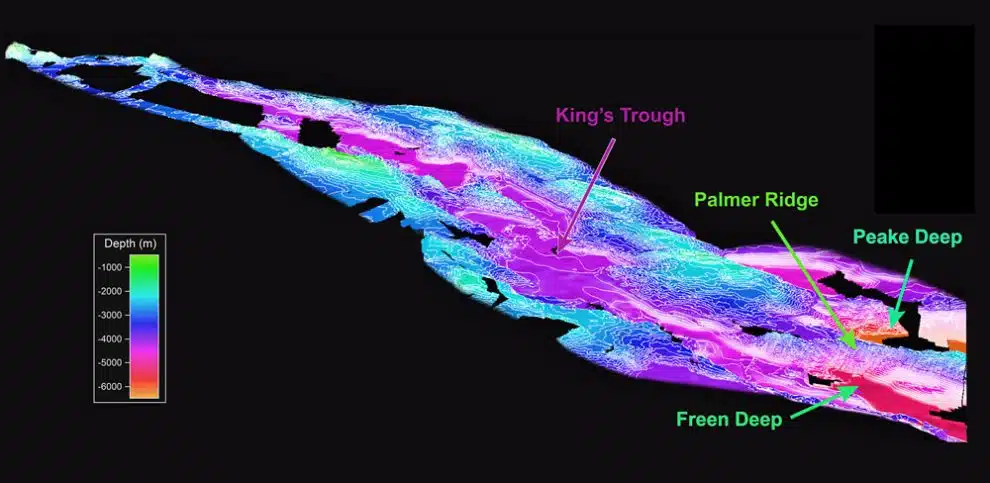
A massive underwater canyon system in the North Atlantic, stretching over 500 kilometers, has baffled scientists for years. The King’s Trough Complex, a colossal and dramatic feature, was long thought to have been shaped by erosion, just like land-based canyons. But a surprising new study is challenging that assumption.
This massive trench system, stretching more than 500 kilometers, is located about 1,000 kilometers west of Portugal, and its size and depth are enough to make any geologist sit up and take notice. While the idea of underwater canyons might conjure up images of water slowly carving away rock over time, the King’s Trough was actually formed through the slow but powerful movements of tectonic plates.
A Zipper-Like Plate Movement
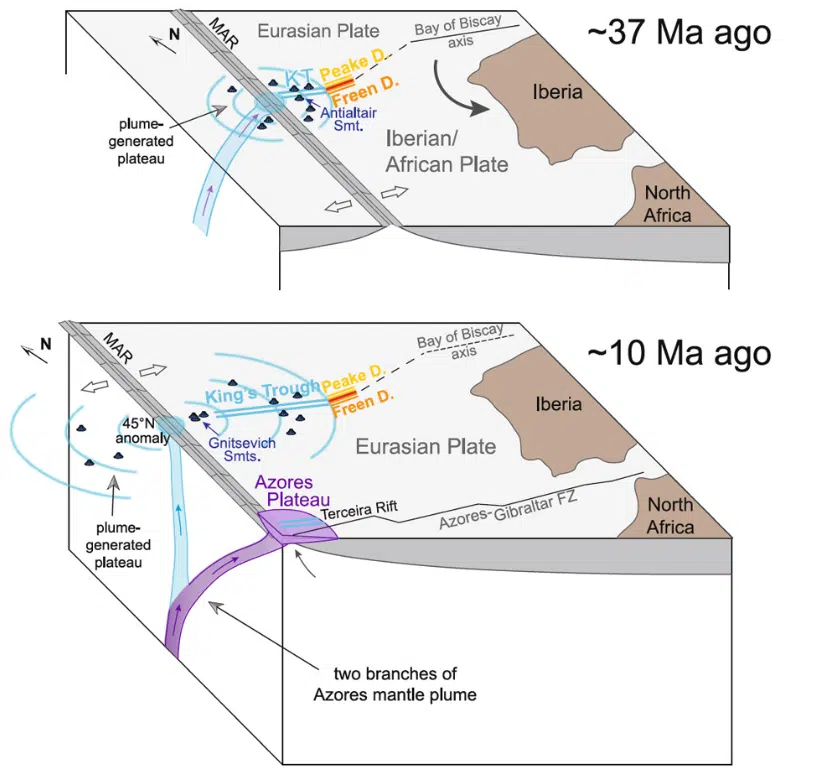
Based on the study, published in Geochemistry, Geophysics, Geosystems, the trench formed not from the typical erosive forces you might expect from rivers carving valleys, but through the movement of tectonic plates. Over 24 million years ago, the region between the European and African plates wasn’t just sliding past each other, it was being pulled apart in a way that’s best described as a “zipper effect.”
As Dr. Antje Dürkefälden, a marine geologist at GEOMAR, explained, this process wasn’t a one-time shift but a slow separation that unfolded over millions of years. Rather than a straightforward lateral movement, the plates here were stretched and broken, leading to the formation of deep chasms in the ocean floor.
“Our results now explain for the first time why this remarkable structure developed precisely at this location,” said lead author Dr. Dürkefälden.
The trench’s formation was a result of a prolonged geological process. Unlike canyons formed by the forces of water, the King’s Trough was shaped over millions of years by the slow separation of tectonic plates.
What’s Really Driving Earth’s Geology? It’s Not What You Think
But tectonic plate movement wasn’t the whole story. The researchers also found that the crust in this area was strangely thick and unusually hot, a result of rising heat from Earth’s mantle. Mantle plume, columns of superheated material moving from deep inside the planet, are thought to have played a key role in weakening the crust, making it more susceptible to the shifting plates. According to Dr. Jörg Geldmacher, a co-author of the study:
“This thickened, heated crust may have made the region mechanically weaker, so that the plate boundary preferentially shifted here.”
The researchers believe that this heated and thickened crust could have been part of an early manifestation of theAzores mantle plume, the same one that is affecting the region today. While mantle plumes are known to influence volcanic activity, they also play a surprisingly large role in shaping tectonic features, like the King’s Trough. And while we tend to think of the Earth’s surface as constantly shifting, this process took millions of years to unfold, and it may have played a hand in where the giant underwater canyon system formed and why it ended when it did.
The King’s Trough: Where Earth’s Geodynamics Get Wild
What’s particularly fascinating about this research is how it sheds light on the link between deep Earth activity and surface tectonic movements. The study shows that mantle plumes aren’t just hot spots for volcanic eruptions; they can influence how entire tectonic plates interact. As covered by SciTechDaily:
“The King’s Trough therefore provides a vivid example of how processes deep in the mantle and movements of the overlying tectonic plates are linked”
The team’s findings were based on data collected during the 2020 METEOR expedition, where researchers used high-resolution sonar to map the region in detail. Rock samples from the canyon were brought back to the lab for analysis, allowing the team to date the formation of the crust and determine its chemical makeup.
First Appeared on
Source link






