


Minnesota health officials warn of sexually transmitted fungal infection outbreak
Health officials in Minnesota say the state is seeing an outbreak of a new, sexually transmitted fungal skin infection.
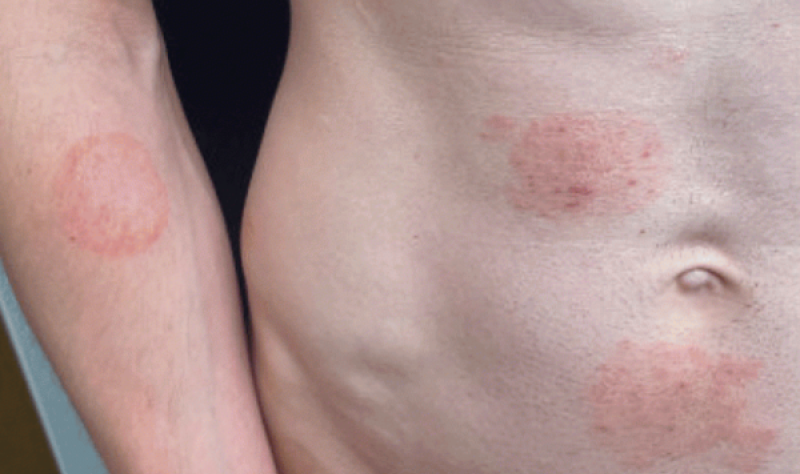
The infection is caused by Trichophyton mentagrophytes type VII (TMVII), a fungus that causes ringworm—round, coin-like rashes that are red and irritated—on the arms, buttocks, trunk, genitals, and legs. TMVII spreads through skin-to-skin contact, including sexual contact. Spores from the fungus can also spread on surfaces.
The Minnesota Department of Health (MDH) says the first case in Minnesota was confirmed in July 2025 in a Twin Cities resident who sought treatment for a genital rash. Since then, the state has identified 13 confirmed cases and 27 suspected cases, all within the Twin Cities metropolitan area, according to a document shared with reporters.
“The first cases of TMVII in Minnesota were identified by astute clinicians who proactively notified the health department and requested confirmatory testing,” MDH said. “In response to several individuals seeking care and providing information on other individuals that may also have been infected, MDH established an enhanced surveillance system to identify cases in Minnesota.”
The first case of TMVII in the United States was reported in New York in 2024, in a man who reported multiple male sexual partners while traveling in Europe. Reports from Europe indicate the infection has been circulating locally among men who have sex with men (MSM). According to the Centers for Disease Control and Prevention, cases have been identified in multiple US cities since then.
It’s unclear if the cluster of cases in Minnesota is the largest known outbreak in the country, since TMVII is a not a reportable infection and other US jurisdictions don’t have good surveillance data. TMVII can also be difficult to diagnose, since the rash can be mistaken for other skin infections.
Prompt treatment advised
State health officials are advising people who see signs consistent with TMVII rashes to seek prompt treatment. Although the infection is treatable with oral antifungal medications, patients may require up to three months of treatment. Some patients may develop painful and persistent rashes that can lead to scarring and worsening infections without prompt treatment.
People with new rashes consistent with TMVII are also being urged to inform their sexual partners, avoid skin-to-skin contact (including sexual contact), and avoid sharing personal items such clothing, towels, and bedding.
Health care providers in the state are being advised to consider TMVII in patients who have ringworm that’s either associated with reported sexual contact, or appears in the arms, buttocks, trunk, genitals, and legs. MDH is also asking health care providers to report all suspected cases, and to send fungal isolates to the state’s public health laboratory for confirmatory testing.
While the overall public health risk is low, state health officials say MSM, people who use anonymous apps, and people with a history of sexually transmitted infections may be at higher risk.
First Appeared on
Source link






