



The cancer-busting foods I tell all my patients to eat… some of them may surprise you
Cancer prevention comes in many forms, including wearing sunscreen, cutting down on stress and getting screened regularly. But scientists have only recently delved into the role of diet.
Experts tend to agree that a diet rich in plants, including leafy green vegetables, fruits, whole grains and non-animal proteins, provides the necessary vitamins, minerals, fiber and compounds to lower one’s risk of a cancer diagnosis in their lifetime.
‘It’s important to remember that no single food can prevent or cure cancer, but rather a consistent dietary pattern plays a role in reducing risk,’ Tricia Scott-Sahler, an oncology dietitian at Hackensack Meridian John Theurer Cancer Center in New Jersey, told the Daily Mail.
She said eating habits that focus on a variety of plant-based foods – like the traditional Mediterranean and some Asian diets – have been associated with a lower risk of cancer.
Experts agree that red meat – beef, pork and lamb – should only play a small role on your plate. Drawing on more than 800 studies, experts have classified the protein as a Class 2b carcinogen, meaning it is probably cancer-causing in humans, with links to colorectal and stomach cancers.
While some foods are considered to be more helpful than others, the true power of nutrition comes from how various nutrients work together. And Scott-Sahler noted that specific nutrients power different parts of the body’s immune defenses.
For example, omega-3s from fish have been known to calm inflammation while garlic clears out cancer precursor cells. Beta-glucans in shiitake mushrooms activate natural killer cells, she added, while zinc from beans and selenium from just one daily Brazil nut help the body to find and eliminate rogue cells early.
Scott-Sahler designs personalized, evidence-based nutrition plans to support patients through cancer treatment. To help folks at home understand her methods, she shared some of what she considers the best cancer-protective foods with the Daily Mail.
Tricia Scott-Sahler, an oncology dietitian at Hackensack Meridian John Theurer Cancer Center in New Jersey, recently shared with the Daily Mail the foods she has deemed some of the best at preventing cancer

Scott-Sahler noted that beta-glucans in shiitake and turkey tail mushrooms, particularly lentinan, bind to immune cell receptors, triggering a signal cascade that activates and alerts the immune system
Shiitake mushrooms
Shiitake mushrooms have a unique deep, rich, savory flavor that sets them apart from the standard white button mushroom. They are a staple across East Asian cuisines, particularly in Japanese, Chinese and Korean cooking.
Heat releases the fresh mushroom’s characteristic umami intensity, while dried shiitakes offer a more woody, earthy taste that forms the backbone of broths and stocks.
‘Mushrooms, particularly varieties like turkey tail and shiitake, contain unique polysaccharides called beta-glucans,’ Scott-Sahler said.
The key beta-glucan is lentinan, which works by strengthening the immune system when it enters the body. It binds to specific receptors on immune cells, triggering a cascade of signals inside those cells that ramps up their activity and puts several branches of the immune system on high alert.
Natural killer cells hunt down and destroy cancer cells. Macrophages step up their cleanup efforts, vacuuming up damaged and foreign cells. Meanwhile, T cells and B cells power the immune response, producing more tumor-fighting signals and churning out antibodies to reinforce the attack.
In Japan, an injectable form of lentinan has been approved as an adjunct to chemotherapy for certain cancers, based on evidence that it can help stimulate immune cells to fight tumors more effectively.

A single cup of cooked lentils delivers about 16g of fiber, a nutrient proven to reduce colorectal cancer risk
Lentils
‘The food I wish my patients ate more of is humble, affordable and incredibly powerful: the lentil,’ Scott-Sahler said.
‘Lentils, and the entire family of pulses (beans, chickpeas, split peas) they belong to, are true nutritional powerhouses that are often overlooked in the West. From a cancer defense perspective, they are superstars.’
The tiny, disk-shaped legumes have been a dietary staple across Asia, the Mediterranean and the Middle East for thousands of years.
Lentils are rich in fiber with one cup providing around 16g. Incorporating fiber into someone’s diet has been proven to reduce the risk of developing colorectal cancer, with studies pointing to a reduction in risk ranging from nine percent to as high as 47 percent.
Fiber is the gut’s cleanup crew as it speeds digestion, diluting carcinogens before they settle. Gut bacteria ferment the fiber into butyrate, a fatty acid that inhibits cancer cell growth and triggers the programmed cell death damaged cells try to avoid known as apoptosis.
Beyond fiber, lentils are packed with a suite of bioactive compounds that work at the cellular level. They contain high levels of folate, a B vitamin essential for maintaining healthy DNA and preventing the kind of mutations that can spiral into cancer.
They are also rich in polyphenols, powerful antioxidants that neutralize the free radicals responsible for oxidative stress and chronic inflammation – two conditions that create a welcoming environment for cancer to develop.
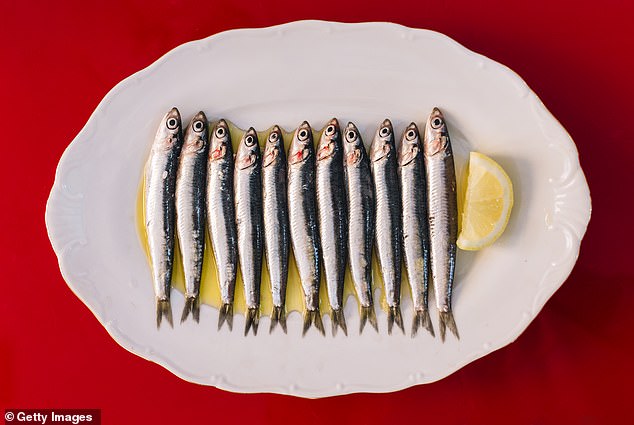
Scott-Sahler explained that omega-3 fatty acids from salmon, sardines, walnuts and flax seeds help control chronic inflammation
Sardines
Sardines are packed with special fats called omega-3 fatty acids, specifically EPA and DHA. Research shows these marine lipids can insert themselves into the membranes of our cells, where they influence how those cells behave.
‘The omega-3 fatty acids found in fatty fish (like salmon and sardines), walnuts and flaxseeds are converted in the body into compounds that help to control chronic inflammation,’ Scott-Sahler said.
These omega-3s can help block cancer cells’ ability to grow, spread and form dangerous metastases. Studies have linked higher levels of EPA and DHA to less aggressive forms of cancers like prostate and breast cancer.
In a 15-year Swedish study of 61,000 women, weekly consumption of fatty fish was associated with a 44 percent reduction in kidney cancer risk.
Consistent eaters saw a 74 percent reduction. Separately, each weekly fish serving was tied to a six percent lower risk of liver cancer.
Sardines also appear to protect against colorectal cancer – one of the most common types. Omega-3s help increase beneficial gut bacteria that support the immune system’s ability to fight cancer, while reducing harmful bacteria linked to tumor growth.
Major cancer organizations recommend eating oily fish at least twice weekly for cancer prevention. Scott-Sahler said sardines are a smart choice because they are low in mercury compared to larger fish and are safe to eat regularly.

According to a 2023 review, garlic compounds work to fight against cancer in multiple ways
Garlic
Garlic and its allium relatives – onions, shallots, leeks and chives – have shown protective effects against gastrointestinal cancers in numerous studies.
Among the protective foods she believes every American should pick up from the store, Scott-Sahler included onions and garlic.
‘This is technically two items, but they are a package deal,’ she said. ‘They are the flavor foundation of countless healthy meals and are potent health promoters in their own right.’
When you crush or chop fresh garlic, it activates an enzyme that produces compounds including allicin, diallyl trisulfide (DATS) and diallyl disulfide (DADS) – the real stars behind garlic’s health benefits.
Research published in a 2023 review shows garlic works against cancer in several ways: The active compounds can stop cancer cells from multiplying by interrupting their cell division cycle; they can also trigger programmed cell death in malignant cells, essentially telling cancer cells to self-destruct.
Garlic compounds have shown effectiveness against many cancer types, including breast, lung, prostate, stomach and colon cancer. They work by reducing inflammation, protecting DNA from damage, and blocking the formation of new blood vessels that tumors need to grow.
Breast cancer researchers are particularly interested in garlic. Studies show that garlic compounds can inhibit breast cancer cells at all stages, from initial formation to spread.

A 2015 study found that four weekly citrus servings cut mouth and throat cancer risk by over 50 percent, along with lowering risk for esophageal, stomach and colorectal cancers
Citrus
Emerging research suggests that citrus fruits from lemons to grapefruits contain a unique arsenal of natural compounds that may actively help the body defend itself against cancer.
The power of citrus lies not only in the high vitamin C content but also in a potent cocktail of compounds, including flavonoids in grapefruits and hesperidin in oranges.
These compounds are believed to function as potent antioxidants, neutralizing unstable free radicals that can damage DNA and trigger the uncontrolled cell growth characteristic of cancer.
Research also suggests that these potent flavonoids can help reduce chronic inflammation, a known driver of many cancers, and may stymie the growth of blood vessels that tumors rely on to survive and spread.
Four weekly servings of citrus can cut cancer risk dramatically, Scott-Sahler said. This includes mouth and throat cancers by more than half, esophageal cancer by nearly 60 percent, stomach by roughly 30 percent and colorectal by about 20 percent, according to a 2015 British Journal of Nutrition study.
However, it’s important to note that citrus protects best when you eat the whole fruit, Scott-Sahler said.
For example, commercial orange juice delivers a sugar spike without the fiber-rich pulp. For a true immune boost, go for whole fruit or fresh juice with pulp.
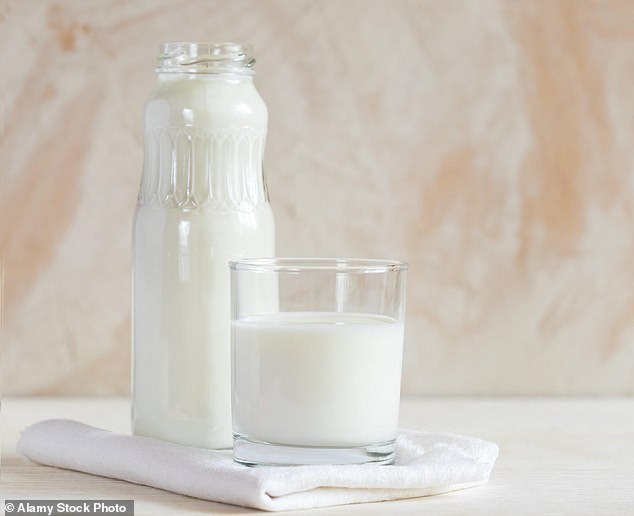
Kefir compounds show anticancer activity, a 2021 meta-analysis found
Kefir
While research is ongoing and primarily based on laboratory and animal studies, evidence suggests that kefir, a fermented probiotic drink, may offer protective effects against cancer.
Laboratory research has demonstrated that bioactive compounds in kefir can directly inhibit cancer cells.
A systematic review and meta-analysis published in 2021 confirmed that compounds in kefir, such as bioactive peptides and organic acids, possess anticancer activities.
These compounds have been shown to reduce the viability of various human cancer cells in test tubes – including breast, colon, liver and cervical cancer cells – by as much as 45 percent to 82 percent in some experiments. The primary mechanism involves triggering programmed cell death in the cancerous cells.
Animal studies have reinforced these findings, particularly concerning colon cancer. A study from 2025 found that giving kefir to rats, especially during early life, had a powerful effect in preventing colon tumors in adulthood.
The kefir intake was linked to beneficial changes in the gut microbiota, increasing bacteria like Lactobacillus and reducing inflammation, which was correlated with fewer tumors.
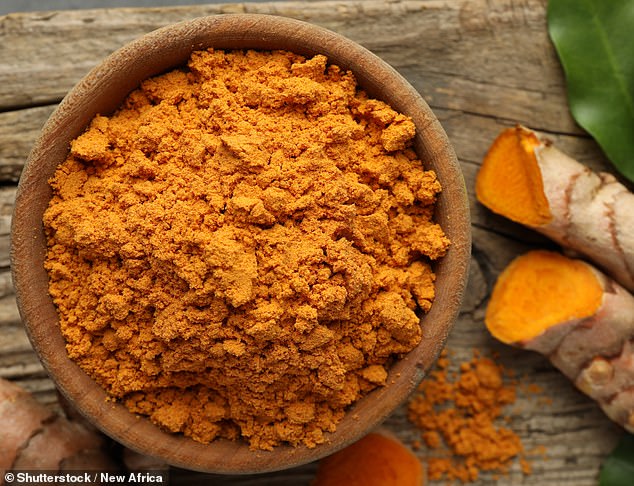
Curcumin, found in turmeric, fights inflammation, bacteria, viruses and venom, all while protecting the liver, heart and DNA, according to decades of research
Turmeric
Turmeric is far more than a kitchen spice.
One of Eastern medicine’s most ancient remedies, Ayurvedic healers have used it for 4,000 to 6,000 years to treat everything from digestive issues to arthritis and wounds.
In Traditional Chinese Medicine, it has been used to ease abdominal pain, menstrual cramps and injuries since the Tang Dynasty around 700 AD.
‘Turmeric’s active compound, curcumin, is one of the most extensively studied natural compounds in cancer research,’ Scott-Sahler said.
‘It is a potent anti-inflammatory agent that has been shown in laboratory studies to interfere with multiple cellular pathways involved in cancer development and progression.’
Curcumin – the compound behind turmeric’s golden hue – was first isolated in 1815. Since then, research has linked it to an impressive range of benefits, including fighting inflammation, bacteria, viruses and even venom, while protecting the liver, heart and DNA.
At the cellular level, curcumin works on multiple fronts, including calming inflammatory enzymes, disrupting cancer cell signals and triggering programmed cell death to eliminate damaged cells before they turn dangerous.
First Appeared on
Source link






