


The truth about benefits and why Gen Z is obsessed
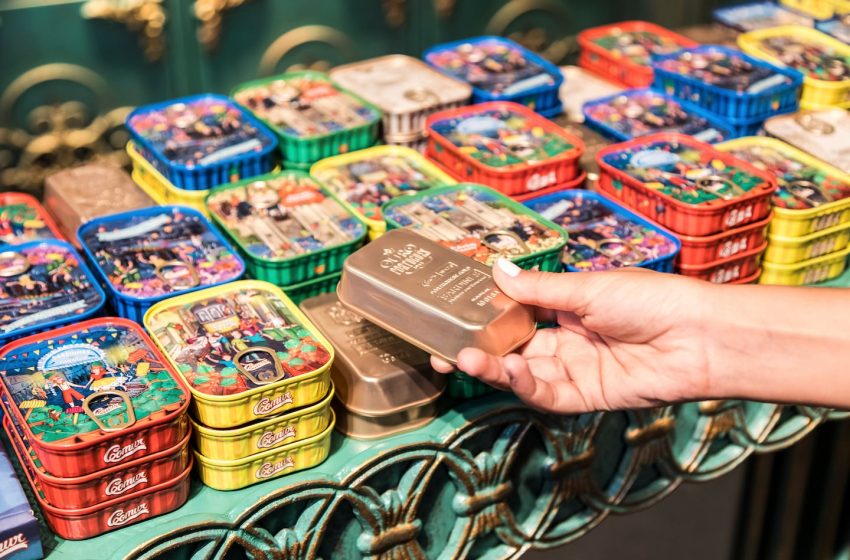
It used to be that only bodybuilders were counting how many grams of protein they needed in a day. Now, with the rise of GLP-1s, everyone seems to be looking for more protein. Enter: The sardine craze.
This sardine mania can be traced back to its nutritional value, affordability, and beauty benefits, some experts say.
“Gen Z is entering the workforce, and they need meals that are fast, cheap, and high in protein,” said Abhi Konduru, the founder and recipe developer of ThaliMethod. “Sardines check every box.”
Konduru said TikTok is being flooded with sardine content, but it’s not really about sardines: “It’s about a generation figuring out how to eat well on a tight budget with no time.”
Sardines also fit into the wellness aesthetic culture of “quiet luxury” grocery shopping, explained Nicole van Zanten, the co-president and chief growth officer at ICUC.social, a global social media management agency that serves global brands like Kellogg’s and Nestlé.
“Not only did TikTok make sardines popular, but it also changed how people think about them,” said van Zanten. “Things that were once considered old-fashioned or niche are now being described as ‘elevated,’ ‘protein-forward,’ and ‘effortlessly European.’”
Sardines are also touted on social media as a way of “skinmaxxing” or “omega-3-maxxing,” or any other sort of “-maxxing,” which is internet slang for optimizing a specific area of your life.
Sardines are “great for your skin and hair,” said Johnson & Wales University assistant dean TJ Delle Donne. “This isn’t anything new. I think the Spanish and Portuguese have known this for centuries.”
Others aren’t so convinced.
“Any trend that gets people excited about seafood and its health benefits is a win,” said Jade Taylor, the owner of Angel Oak Smokehouse, a smoked salmon company out of Charleston, South Carolina. “But here’s my hot take: if you’re going to drop $12.99 or more on a tin of fish, why not go fresh?”
(While sardines do have some good qualities, nutritionists also warn that sardines are full of sodium, and that some tinned brands have added sugars and other additives. And while protein is key to keeping the body functioning properly, some experts say we’re probably eating too much of it.)
TikTok influencer Ally Renee has become one of the prominent voices in favor of sardines, explaining in her videos why she started incorporating them into her diet.
“You say you want to glow up this year, but you’re not eating sardines. What are you doing? This is skincare in a can, y’all” said Renee in a recent video while promoting a colorful tin from Fishwife Co.
If they are now just becoming mainstream, sardines have always been a staple in South Indian coastal cooking, where sardines have been eaten with rice for generations. They’re also popular in Mediterranean and Iberian cultures, particularly in Portugal and Spain. Plenty of places around the Northeast have leaned into those roots, including The Fantastic World of The Portuguese Sardine, a shop in New York City, and Portugalia Marketplace in Fall River, which sells all sorts of Portuguese wine and groceries, and where tinned fish ranges from $5 per tin to more than $60 each. Natalia Paiva-Neves, who runs family-owned restaurant O Dinis in East Providence, said they serve grilled sardines each week with molho cru.
While sardines have a long history, many attribute their recent fame to a new wave of tinned sardine companies like Fishwife Co., a Los Angeles-based tinned fish company known for its colorful packaging and branding. Their rise has been documented in recent years: From 2022 to 2023, the conventional tinned fish category grew by 1 percent, but Fishwife’s business grew nearly 180 percent, according to Rebecca Millstein, a New Hampshire native and the company’s CEO and co-founder. (A spokesperson for the company did not respond to the Globe’s request for comment for updated financial information, or if they pay or “collaborate” with influencers to bolster their product.)
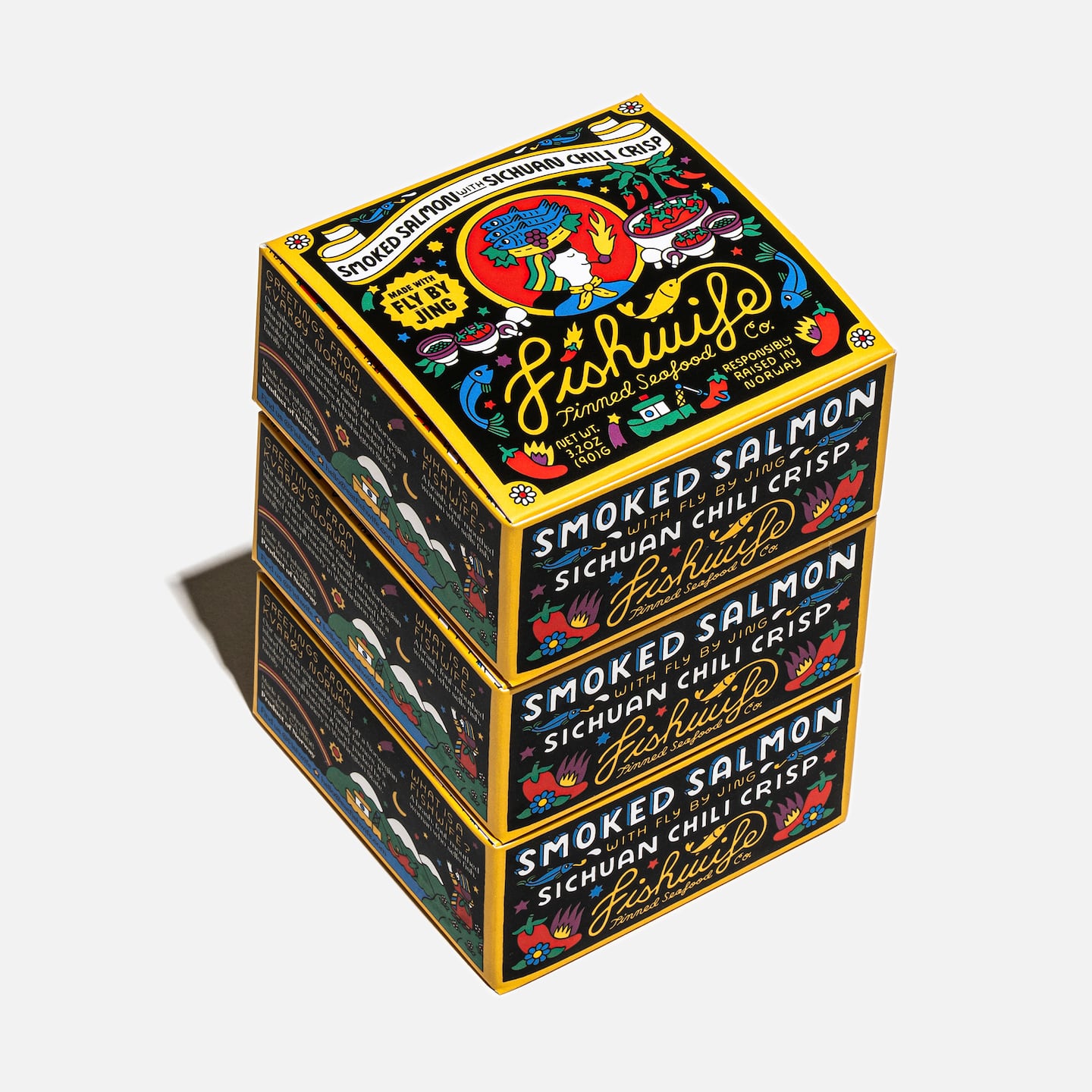
Today, Fishwife products decked in bright colors and cartoon iconography grace the shelves of boutiques, specialty food stores, and independent grocers.
“Fishwife is maximalist,” said Fishwife’s illustrator Danny Miller in a recent Globe interview. “We like details and ornament and expressive color.”
But while the rise of other tinned fish, like smoked mussels, started to generate buzz after the pandemic, the popularity of sardines specifically is just now exploding. Some also point to benefits to the environment: Sardines are considered to be plentiful.
It’s a “great example of clever marketing driving sustainable, positive food systems change,” said Travis Beckan, a product sustainability engineer.
Others just love the taste.
“I eat sardines on toast for lunch at least once or twice a week,” said Jimmy Fletcher, the owner of Rhody Butcher. “Perfect working lunch.”
Maggie Pearson, who was the founder of Feast and Fettle meal delivery service and is soon opening Aldeia Goods in Barrington, Rhode Island, said her 5- and 7- year old sons “will easily eat an entire tin.”
“They’re delicious,” said Luke Mersfelder, the chef and co-owner of Kingfish, a restaurant that will soon open in Warren, Rhode Island. “We land them fresh here in Rhode Island. [There are] lots of possibilities.”
For Brad Smith, a Rhode Island-based food and brewery photographer, tinned fish like sardines is “finally getting its day.”
This story first appeared in The Food Club, a free weekly email newsletter about Rhode Island food and dining. Already a member of the club? Check your inbox for more news, recipes, and features in the latest newsletter. Not a member yet? If you’d like to receive it via e-mail each Thursday, you can sign up here.
Alexa Gagosz can be reached at [email protected]. Follow her @alexagagosz and on Instagram @AlexaGagosz.
First Appeared on
Source link






