



Carmakers Make a 180-Degree Turn
The automotive industry has begun reversing a design direction it pursued for more than a decade: the removal of physical buttons in favor of touchscreen-dominated dashboards. The shift is no longer driven by consumer preference alone. Safety regulators in Europe and China have formalized requirements that make tactile controls for critical functions a condition of market success and, in China’s case, regulatory compliance.
The change has direct commercial consequences. In Europe, vehicles that fail to meet updated safety criteria risk losing eligibility for a five-star rating from the European New Car Assessment Programme (Euro NCAP), a distinction that materially affects sales. In China, draft technical standards published by the Ministry of Industry and Information Technology (MIIT) set out binding requirements that would compel manufacturers to redesign interiors for the world’s largest car market.
These interventions follow several years of rapid interior digitization, particularly among electric vehicle manufacturers. Central screens grew larger, mechanical switches were eliminated, and even essential driving functions were migrated into layered menus. The regulatory response now places limits on that approach.
Five-Star Ratings Now Require Physical Controls
Under protocols confirmed by Euro NCAP, vehicles assessed from January 2026 onward must provide physical controls for key functions in order to qualify for a five-star safety rating. These functions include turn indicators, hazard warning lights, windscreen wipers, the horn, and the emergency call system.
Euro NCAP does not issue binding law. However, its rating system heavily influences fleet purchasing decisions, insurance pricing, and consumer perception across Europe. A four-star rating where competitors achieve five has measurable commercial impact. Manufacturers therefore treat NCAP criteria as de facto design constraints.
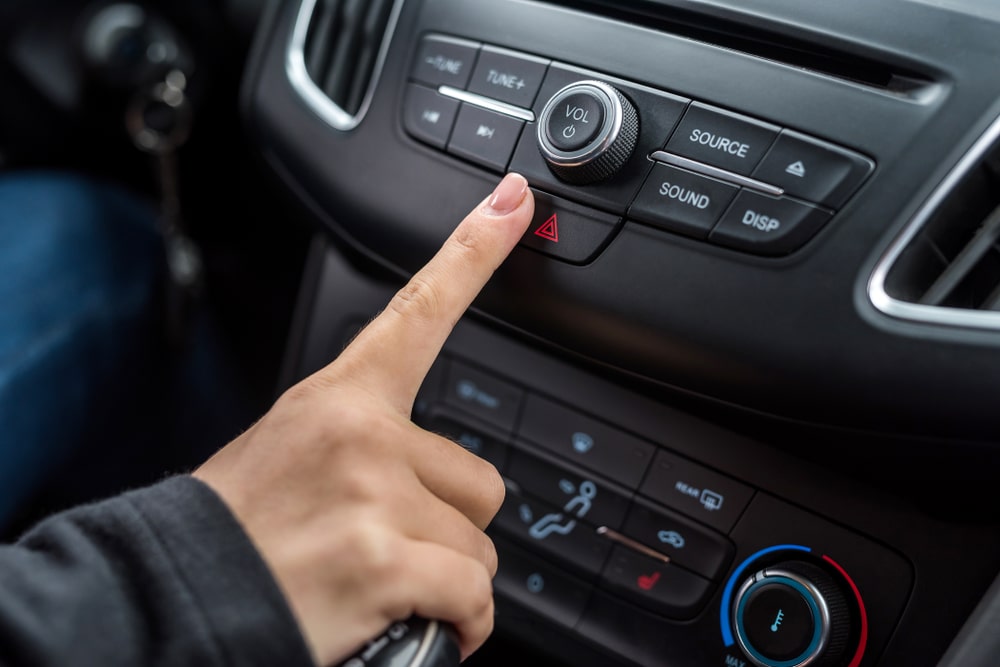
The regulatory rationale centers on distraction and human factors. Studies cited in European safety discussions show that touchscreen interfaces increase glance duration away from the road compared with physical switches. Flat glass surfaces provide no tactile landmarks, requiring drivers to confirm input visually. When basic operations such as activating wipers or adjusting climate settings are embedded within submenus, cognitive load increases.
Several manufacturers have already adjusted course. Volkswagen confirmed it would restore dedicated buttons for climate control and volume functions in future models after customer feedback and internal review. Other brands have revised upcoming interiors to include rotary knobs and fixed switches for core functions.
China Moves From Scoring Pressure to Binding Standards
In China, regulators have moved beyond ratings. Draft standards issued by the MIIT in 2025 require tactile, mechanical controls for specified vehicle functions beginning July 1, 2027. The proposal sets dimensional minimums for buttons, generally no smaller than 10 millimeters by 10 millimeters, and requires tactile or audible feedback.
The Chinese draft also mandates functional redundancy. Critical controls must remain operable even if the central infotainment system fails. Gear selection, turn signals, hazard lights, windscreen functions, defrosting systems, and certain advanced driver assistance systems (ADAS) controls must not rely exclusively on touchscreens.
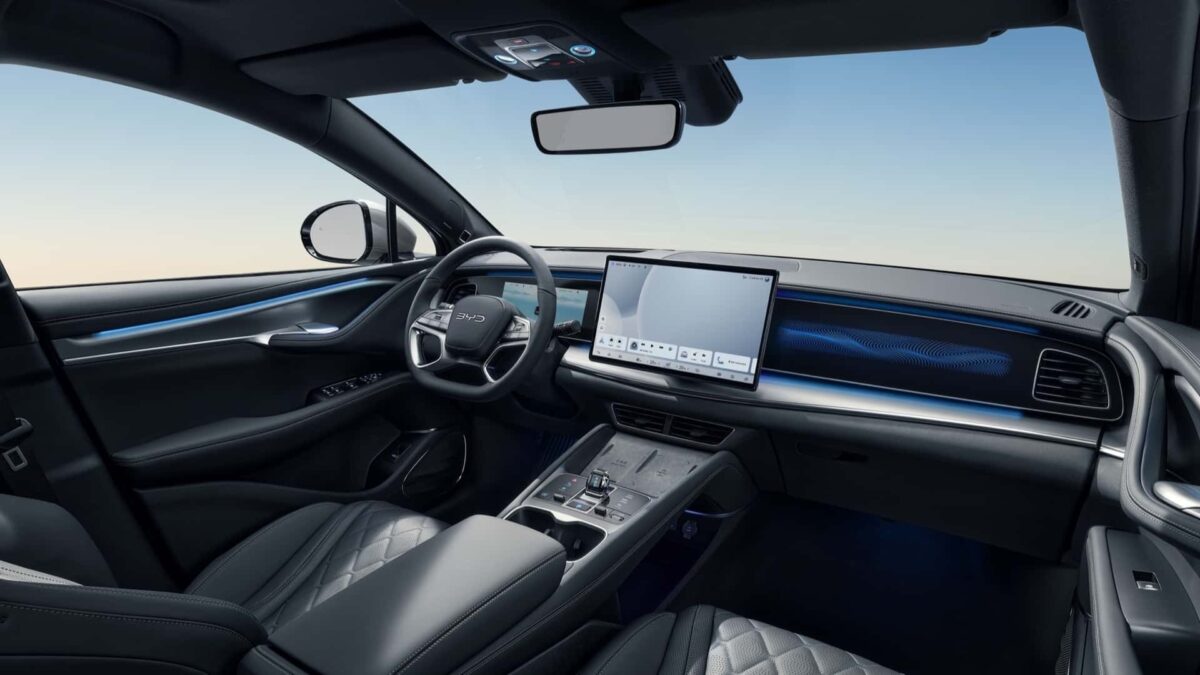
Unlike Europe’s rating-based approach, China’s standard would apply as a homologation requirement for new vehicles. Non-compliant models could not be sold domestically after the enforcement date.
These changes are not superficial. Interior architecture is typically locked in several years before production. Reintroducing mechanical controls requires new tooling, revised wiring layouts, and changes to electronic control units. For global platforms sold in Europe and China, the most practical strategy is to design to the stricter requirement, effectively extending the regulatory standard beyond its origin markets.
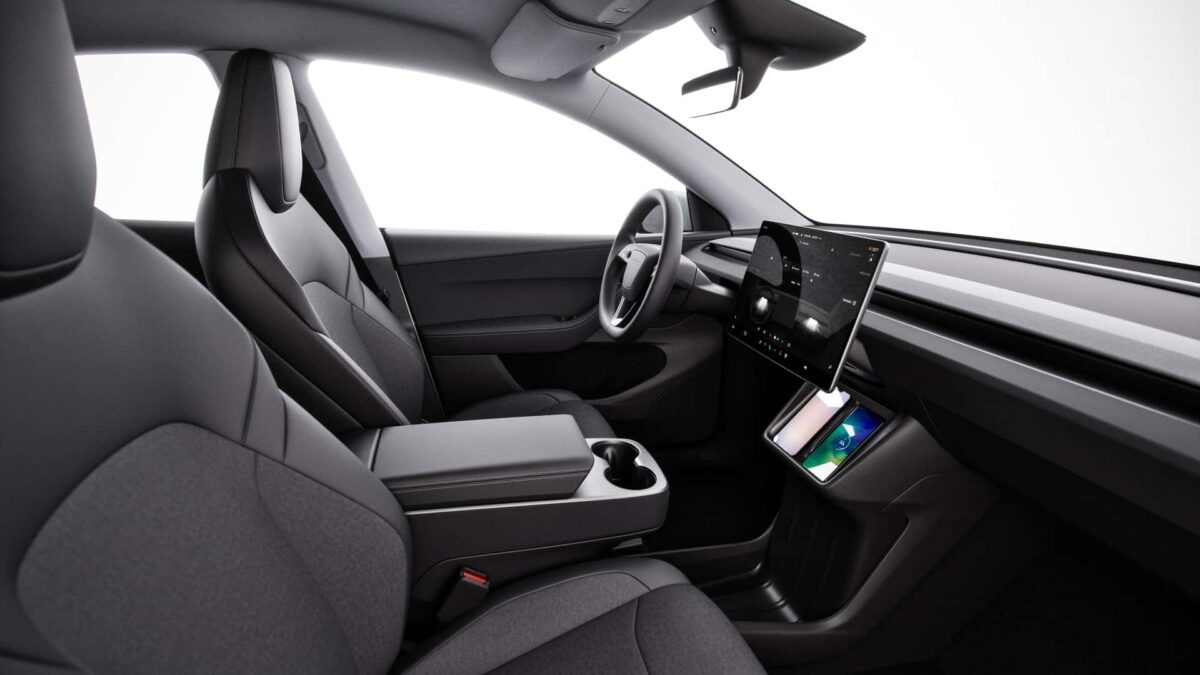
The touchscreen push of the 2010s and early 2020s was partly driven by cost and software ambitions. Large central displays reduced the number of individual components and allowed manufacturers to update features remotely. The consolidation of functions into software, however, created single points of failure. Reports of infotainment crashes disabling climate or visibility-related controls reinforced regulatory concern.
The United States has not introduced comparable federal requirements. The National Highway Traffic Safety Administration has issued guidance on driver distraction but has not mandated physical controls. As a result, some divergence in interior design may persist in the short term, although globally shared vehicle platforms limit how far manufacturers can vary configurations by region.
Chinese regulators have opened consultation on the draft standard, with final implementation expected before the July 2027 enforcement date. Euro NCAP’s updated assessment criteria are already in force for 2026 test cycles. Product decisions made this year will determine compliance in the two largest vehicle markets through the end of the decade.
First Appeared on
Source link






