


Senegal PM proposes doubling jail terms for same-sex acts
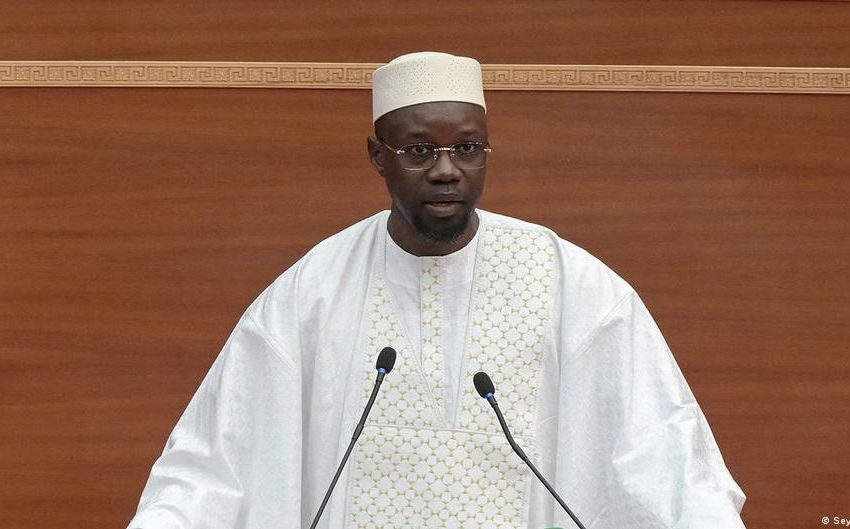
Senegalese Prime Minister Ousmane Sonko on Tuesday unveiled legislation to double the maximum penalty for same-sex relations.
People are regularly arrested on such charges in traditionalist, Muslim-majority Senegal, where they currently face a prison sentence of up to five years.
How might Senegal change its law on same-sex relations?
“Anyone who commits an unnatural act will be punished by five to ten years’ imprisonment,” compared with one to five years currently, Sonko said in a question-and-answer session in the National Assembly, referring to the proposed bill.
The legislation would have to be submitted to a vote by lawmakers, although no date has yet been set.
The issue has come to the fore in recent weeks by a series of arrests of people — including celebrities — for alleged same-sex acts, prompting widespread and salacious press coverage and speculation.
What did Sonko say about the law change proposal?
State-owned daily newspaper Le Soleil cited Sonko, who has been in power since 2024, as saying that the the offense would remain a mid-level misdemeanor rather than a felony.
The bill relates to both same-sex relations and child sex abuse, which are often conflated by the Senegalese media.
“If the act is committed with a minor, the maximum sentence will be imposed,” Sonko told lawmakers.
He said the bill changed the penal code to stipulate that “any sexual act or act of a sexual nature between two people of the same sex constitutes an act against nature.”
Rights groups warn of stigmatization of homosexuals and HIV sufferers
Rights groups say conditions for LGBTQ+ people in Senegal have been deteriorating since 2018, both under the previous government and since Sonko’s PATSEF party came to power in 2024.
In recent years, religious associations have staged demonstrations to demand tougher penalties, something Sonko had promised during the election campaign.
Larissa Kojoue, a researcher at rights group Human Rights Watch (HRW), told the Reuters news agency in an email that the proposed changes would further expose individuals who are already heavily stigmatized to violence and fear.
As recently as last week, amid the media frenzy over reported celebrity arrests, HRW had warned that the arrests “have intensified concerns over the country’s criminalization of same-sex relations and the safety of people living with HIV and/or AIDS.
It said the Senegalese government should “act on its obligations to protect… people’s rights” under international charters “by releasing those arrested and repealing discriminatory homophobic laws.”
Sonko, meanwhile, called on lawmakers of all parties to support an eventual parliamentary vote.
“Those in the opposition who are stirring things up will go to their Western masters and say, look how bad they are. They are repressing homosexuals,” Sonko said. “They don’t even believe what they are saying.”
Edited by: Saim Dušan Inayatullah
First Appeared on
Source link






