


Universal Vaccine Blocks Viruses, Bacteria, And Allergies With a Nasal Spray : ScienceAlert
As vital as vaccines are, they can be frustratingly selective about their targets.
Scientists from institutions across the US have now developed a strikingly “universal” vaccine, which has protected mice against a range of viruses, bacteria, and even allergies.
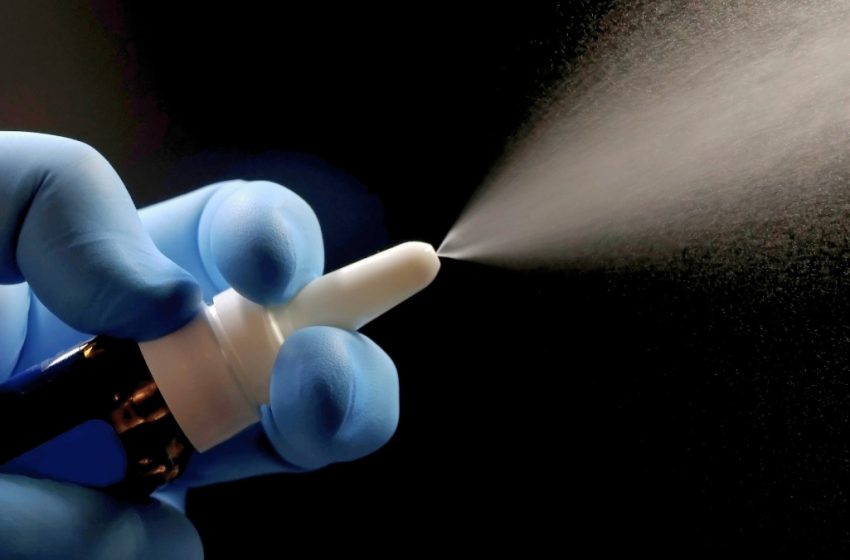
The new GLA-3M-052-LS+OVA vaccine can be delivered as a nasal spray. Three doses protected mice from infection from SARS-CoV-2 and other coronaviruses for three months, and reduced the viral load in their lungs 700-fold, compared to unvaccinated mice.
The vaccine also accelerated the mice’s immune response to SARS-CoV-2. While their lungs’ adaptive immune systems typically take up to two weeks to respond to the virus, those with the vaccine took as little as three days to launch a counter-attack.
In follow-up tests, the vaccine was also found to protect the animals against bacterial infections. That included Staphylococcus aureus and Acinetobacter baumannii, both of which are often acquired in hospital settings and are becoming increasingly resistant to antibiotics.
Most surprisingly, the vaccine also cut the risk of asthma. When vaccinated mice were exposed to dust mites, their asthmatic responses, such as increased immune cell production and excess lung mucus, were reduced for three months as well.
“I think what we have is a universal vaccine against diverse respiratory threats,” says Bali Pulendran, microbiologist at Stanford and senior author of the study.
“Imagine getting a nasal spray in the fall months that protects you from all respiratory viruses, including COVID-19, influenza, respiratory syncytial virus, and the common cold, as well as bacterial pneumonia and early spring allergens. That would transform medical practice.”
Most vaccines work by presenting the immune system with a harmless fragment of a pathogen, allowing the body to prepare an arsenal of targeted antibodies to fight off the real thing if it ever appears. This is working on what’s known as adaptive immunity.
It’s been a lifesaving strategy for centuries, but vaccines are frustratingly specific. Those fragments not only differ between pathogens, but often even between strains. That’s why flu vaccines are updated every year, with varying efficacy rates.
Other so-called ‘universal’ vaccines generally target the same family of viruses, such as influenza. But including completely different pathogens, like bacteria and even allergens, gives new meaning to the word.
This new vaccine works on a different mechanism. Rather than target the pathogen itself, it focuses on the body’s response. Essentially, it’s designed to link the two main arms of the immune system: The long-lasting but specific adaptive immunity that most vaccines work on, and the short-lived but diverse innate immunity.
The latter is our first line of defense against unfamiliar threats, but it generally wanes after a few days as the adaptive immune system learns to fight off the pathogen.
In previous work, researchers learned why a common tuberculosis vaccine induced a surprisingly long-lasting innate response. It turns out that T cells – part of the adaptive response – were rallying innate immune cells and keeping them active for several months.
After isolating the T cells’ critical signals, the team has now found that they can mimic their call-to-arms synthetically to keep the innate immunity going long after it normally would and help bestow a kind of universal immunity.

The next steps are human trials, and the team hopes that if research continues, this kind of universal vaccine could be available within five to seven years.
Related: ‘Universal’ Cancer Vaccine Destroys Resistant Tumors in Mice
“Whilst exciting, there are still big steps to take before a truly universal vaccine becomes a reality,” says Jonathan Ball, molecular virologist at Liverpool School of Tropical Medicine in the UK, who wasn’t involved in the study.
“The key questions are: will it work as effectively in humans, and is it safe? We already see ‘off-target’ protection in people who receive certain vaccines, suggesting the potential is real. However, we have to ensure that keeping the body on ‘high alert’ doesn’t lead to friendly fire, where a hyper-ready immune system accidentally triggers unwelcomed side-effects.”
The research was published in the journal Science.
First Appeared on
Source link






