


Scientists Found Two 170-Year-Old Bottles of Beer in Shipwreck, Are They Still Good to Drink?
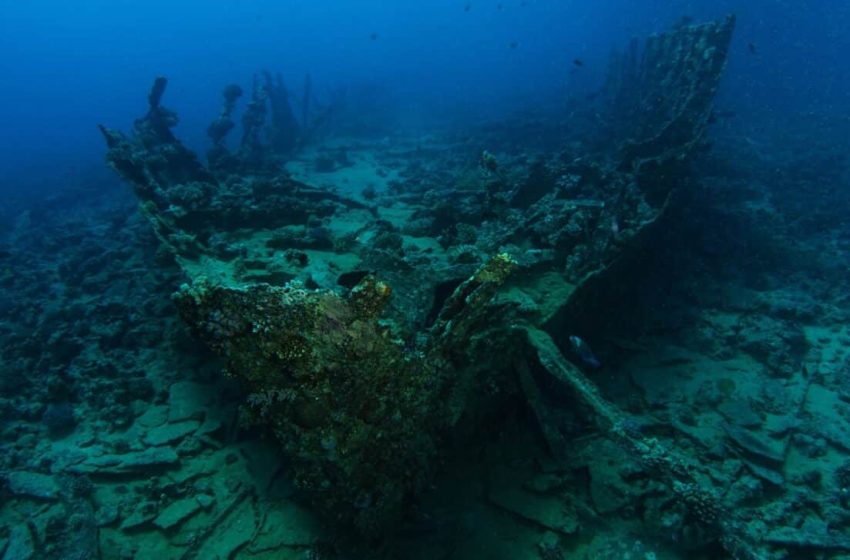
Two bottles of beer, recovered from a shipwreck off the Åland Islands in Finland, have provided scientists with a rare chance to examine beer from the 1840s. The ship, which sank over 170 years ago, was carrying a mix of luxury goods, including champagne and beer. Despite the ale being exposed to saltwater for over a century, scientists were able to analyze it.
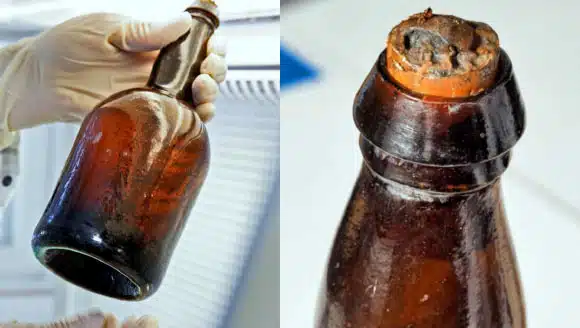
The shipwreck was discovered in 2010, and along with 150 bottles of champagne, five beer bottles were recovered. One of these cracked during the recovery, and divers reported that the liquid inside still tasted like beer, despite being diluted with seawater. This sparked further investigation, led by Dr. Brian Gibson and his team from VTT Technical Research Centre, who set out to find out what the beer was really made of.
A Look at Brewing from the 1800s
According to the researchers, the beer in the shipwreck was a far cry from the brews we drink today, while the exact identity of the ship remains a mystery.
For starters, it had much lower alcohol content, around 2.8% to 3.2%, compared to modern ones which typically have around 4-5%. The stout also had a significantly higher level of sodium, most likely from the seawater, but there was enough original stout left to give a sense of how it might have tasted when it was first made.
The team found that they had similar levels of potassium to today’s beers, but the sea water contamination was obvious in the high sodium content. Despite this, the beer still contained enough of its original ingredients for the team to get an idea of what it might have been like before the wreck.
Two Different Beers, One Shipwreck
The researchers discovered that the two bottles contained different kinds of beer. As stated in the study avaliable on the American Chemical Society, one bottle was more like a light lager, with a low bitterness and a pale color, while the other had a much stronger hop flavor, closer to what we’d expect from a 19th-century ale.
“Both beers were acidic, with pH about 1 unit below modern values,” the researchers wrote. “The color strengths were in the range of modern ales and lagers, and much lower than porters or stouts.”
This could suggest that the brewing process back then was more basic and less fine-tuned than it is now.
How It Survived Underwater
After being submerged for over 170 years, it’s amazing that any of the beer survived at all. According to the scientists, the liquid had undergone some chemical changes during their time underwater. For example, sulfur dioxide, which is usually found in fresh brew, was not detected in the samples. This is because it likely oxidized over time.
Both bottles also had very low protein levels, suggesting the fermentation process wasn’t as advanced as what we’d see in modern beer. However, even after all these years, they still managed to hold onto some key features that allowed the scientists to piece together how it was brewed.
First Appeared on
Source link






