


The global fallout of RFK Jr’s vaccine policies : Short Wave : NPR
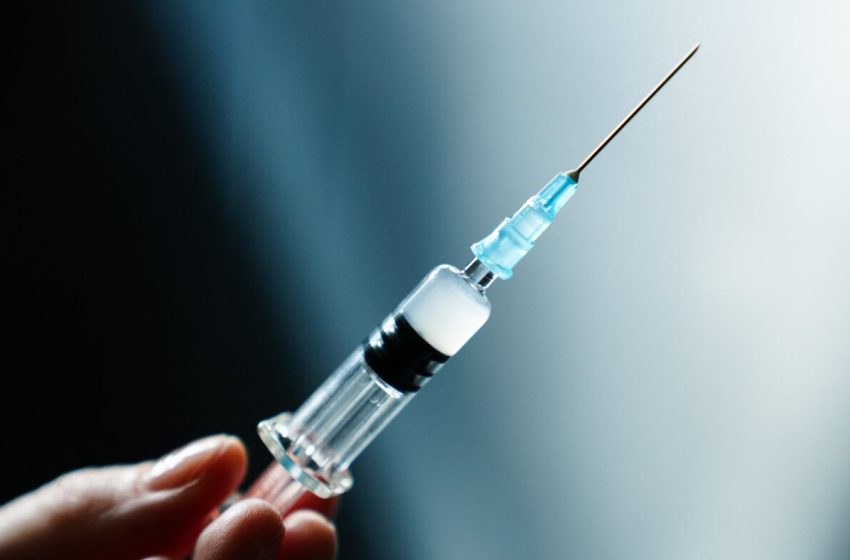
Health and Human Services Secretary Robert F. Kennedy, Jr. is changing how the U.S. approaches vaccines. That is changing the global public health landscape.
Daniel Dorko/Hans Lucas/AFP via Getty Images/Getty Images
hide caption
toggle caption
Daniel Dorko/Hans Lucas/AFP via Getty Images/Getty Images
In his role as Secretary of Health and Human Services, Robert F. Kennedy Jr. is changing how the United States approaches vaccines. But those changes aren’t limited to the United States.
This episode, NPR global health correspondent Gabrielle Emanuel shares two examples of how the global public health landscape may be shifting.
First, the United States’ ultimatum to an international vaccine group called Gavi. The U.S. has historically been one of Gavi’s biggest funders, but now, it is threatening to withhold future funds if Gavi doesn’t remove an ingredient called thimerosal from vaccines.
Second, the uncertain fate of a vaccine trial in the west African country Guinea-Bissau. The study is partially funded by the U.S. and looks at the safety of hepatitis B vaccines in newborns. Some researchers are calling it a “unique” opportunity, and others are calling it straight-up “unethical.”
Read more of global health correspondent Gabrielle Emanuel’s work here.
Interested in more global health? Email us your question at [email protected].
Listen to every episode of Short Wave sponsor-free and support our work at NPR by signing up for Short Wave+ at plus.npr.org/shortwave.
Listen to Short Wave on Spotify and Apple Podcasts.
This episode was produced by Rachel Carlson. It was edited by Rebecca Ramirez. Tyler Jones and Gabrielle Emanuel checked the facts. The audio engineer was Kwesi Lee.
First Appeared on
Source link






