


Significant rise in throat cancers among men related to HPV, campaigners say – The Irish Times
There has been a “significant” increase in throat cancers in men in the last 20 years related to HPV, a national coalition said as it warned of falling vaccination rates.
HPV Network Ireland is being launched on Wednesday to mark HPV awareness day. Members include, among others, the Irish Cancer Society, the Marie Keating Foundation, the Irish Pharmacy Union and the Gay Health Network.
HPV, which stands for human papillomavirus, is a common and highly contagious virus that can be spread through intimate skin-to-skin contact, typically during sex. While 90 per cent of infections are cleared by the immune system within two years, persistent high-risk strains can cause genital warts and cancers.
There are about 640 new cases of HPV-associated cancers diagnosed in Ireland annually and 196 related cancer deaths, most of which are potentially preventable by HPV vaccination.
Dr Cara Martin, associate professor in molecular pathology, tumour biology and cancer screening at Trinity College Dublin, who is chair of the new network, said Ireland has done well in efforts to eliminate cervical cancer but many people are unaware of other HPV related cancers.
“We have a well-defined elimination programme for cervical cancer and we’re on target to reach those goals. But there is also the potential to eliminate the other cancers as well,” she said.
“These are throat, penile and anal cancer, which affect men and women, and cervical, vulval and vaginal.”
Over the past 20 years, Martin said, there has been a “marked” increase in head and neck cancers, or cancers of the throat, and it is believed to be linked with HPV.
“It used to be associated with smoking but smoking rates have fallen. We’re seeing between 3.6 per cent and 3.8 per cent rise per year in these cancers,” she said.
“And we’re seeing them in younger age groups with little to no history of smoking. And men are disproportionately being affected.”
[ Cancer diagnosis: ‘This is not good news, you need to be admitted right away’Opens in new window ]
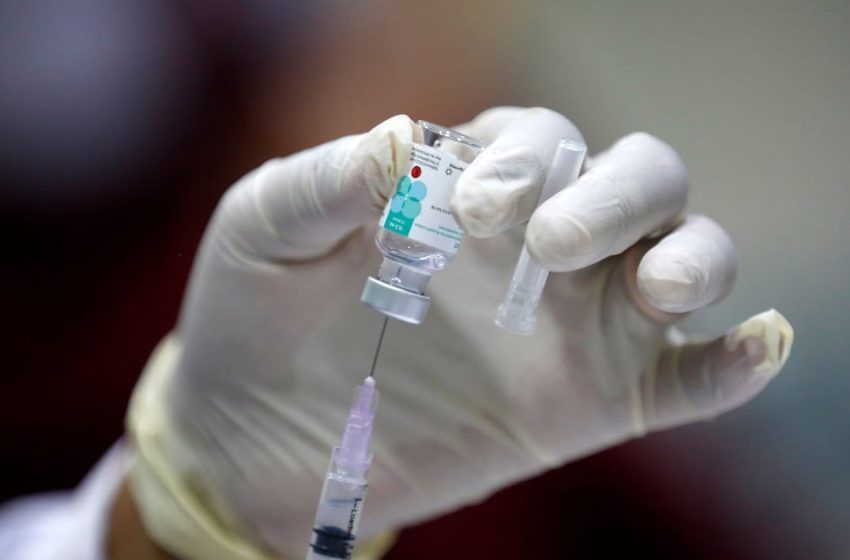
The most recent figures for the uptake of the HPV vaccine, from the 2023/2024 academic year, showed a 74.9 per cent uptake, down 4 percentage points on the previous year and significantly down from the peak uptake level of 89.9 per cent in 2014.
Martin said this decline is “concerning” as there is no screening programme for many of the associated cancers.
“That’s something we need to keep an eye on,” she said, adding that vaccination is one of the most effective tools to reduce future cancer burden.
Amy Nolan, director of clinical affairs at the Irish Cancer Society, said children should receive the vaccine in the first year of secondary school “as this is the optimal time” to protect all genders from the risk of HPV-associated cancers.
First Appeared on
Source link






