


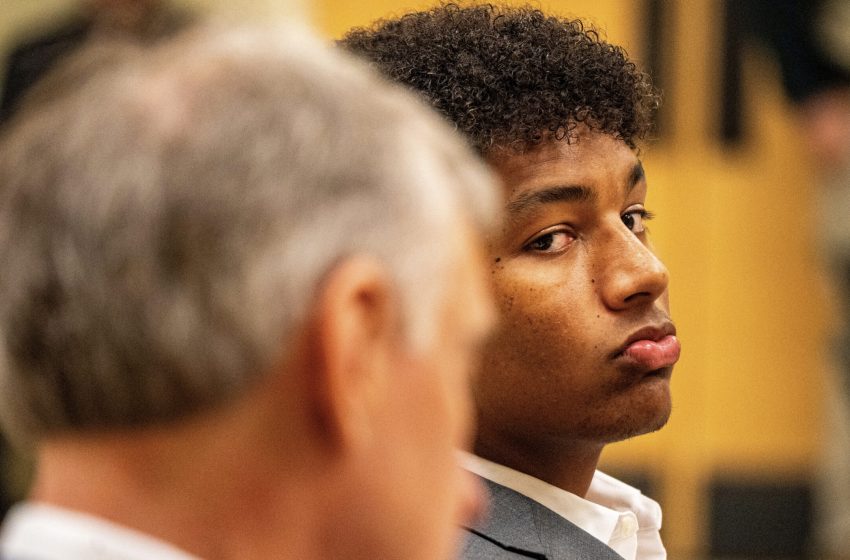
NCAA appealing Trinidad Chambliss injunction allowing him to play 2026 at Ole Miss
The NCAA has formally appealed the preliminary injunction a Mississippi state judge awarded Ole Miss quarterback Trinidad Chambliss last month, according to On3’s Pete Nakos. The Feb. 12 decision by Calhoun County Chancery Court judge Robert Whitwell effectively granted the 23-year-old Chambliss eligibility to play out the 2026 college football season in Oxford.
The NCAA filed a 658-page appeal with the Supreme Court of the State of Mississippi on Thursday, according to court documents obtained by Nakos. The NCAA is petitioning the state Supreme Court to provide it with an interlocutory review of Whitwell’s decision and expedite the ruling in hopes of resolving this case prior to the Rebels’ first game of the 2026 season, Sept. 5 against Louisville.
“If the courts can intervene in NCAA eligibility decisions to provide special treatment to favored athletes, then the NCAA’s ability to ensure fair athletic competition in which all participants play by the same rules will depend upon the whims of trial courts throughout the country,” the NCAA appeal reads. “Orders that substitute a trial court’s judgment regarding NCAA eligibility for that of the NCAAA pose an existential threat to the NCAA’s administration of collegiate sports.”
During a lengthy reading of his Feb. 12 decision, Whitwell said the NCAA “breached its duty of good faith and acted in bad faith” in denying Chambliss a medical redshirt season for his 2022 season at Ferris State. The preliminary injunction bars the NCAA from stopping Chambliss from participating for Ole Miss until his ongoing eligibility case is fully litigated, which could drag out and thus allow him to play during the upcoming college football season.
The NCAA originally suggested it would appeal in a statement released shortly after Whitwell read his decision following a six-hour hearing on Feb. 12.
“This decision in a state court illustrates the impossible situation created by differing court decisions that serve to undermine rules agreed to by the same NCAA members who later challenge them in court,” the NCAA’s statement read. “We will continue to defend the NCAA’s eligibility rules against repeated attempts to rob future generations of the opportunity to compete in college and experience the life-changing opportunities only college sports can create.
“The NCAA and its member schools are making changes to deliver more benefits to student-athletes, but the patchwork of state laws and inconsistent, conflicting court decisions make partnering with Congress essential to provide stability for current and future college athletes.”
The NCAA argues Chambliss has “exhausted his eligibility” to play Division I football because his five-year period to play four seasons “has terminated.” Meanwhile, Chambliss’ case for an additional year of eligibility centered around respiratory issues he dealt with during his sophomore season at Ferris State. He already used a redshirt season in 2021 as a true freshman and then missed the majority of the 2022 season while fighting respiratory issues that doctors later resolved by surgically removing his tonsils. In court last month, Chambliss took the stand and claimed his coach at Ferris State, Tony Annese, had previously told him he would be medically redshirting prior to the 2022 season.
— On3’s Pete Nakos contributed to this report.
First Appeared on
Source link






