


Chapel Hill raccoon tests positive for rabies, Orange County Animal Services says :: WRAL.com
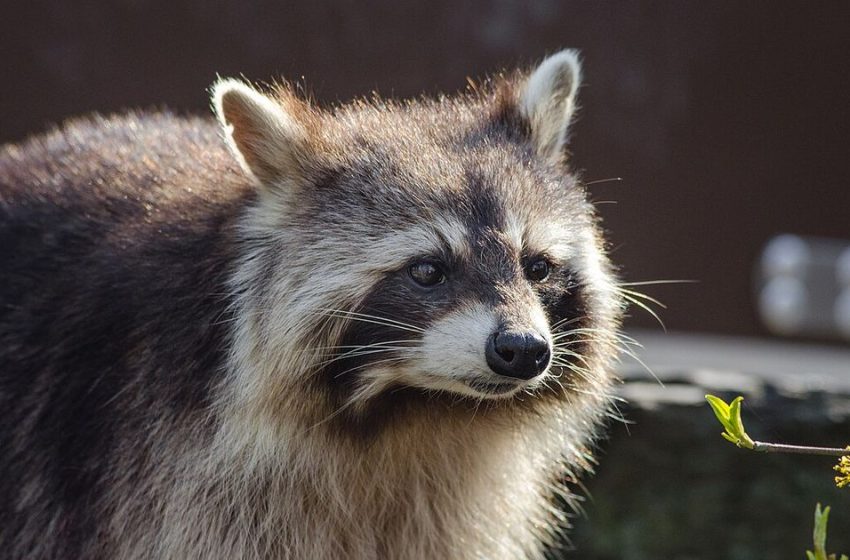
A raccoon found on Wednesday in Chapel Hill has tested positive for rabies, according to Orange County Animal Services.
County officials said the raccoon was involved in an incident on Wednesday between Martin Luther King Boulevard and Umstead Drive in Chapel Hill. According to the county, someone tried to remove the injured raccoon from the road.
Animal Control retrieved the raccoon to test for rabies after the incident.
The county also advised pet owners to consult with their veterinarians to make sure their pets are up to date on their rabies vaccination.
What to know about rabies
Rabies is a fatal, viral infection that is transmitted to animals and people. Animal Control urged people to be cautious while interacting with wildlife or unfamiliar animals when they’re outside. An animal may have rabies if it shows the following symptoms:
- Aggressive or unusually friendly behavior.
- Difficulty walking, staggering.
- Foaming at the mouth.
- Excessive drooling.
- Disorientation or paralysis.
Rabies spreads to people and animals through saliva, usually through bites, scratches or direct contact with mucosa from the eyes, mouth or open wounds.
All mammals are capable of being infected with and transmitting rabies. Rabies is commonly found in raccoons, skunks, foxes and bats. Bats are a host species for the virus around North Carolina and other areas, and most cases of rabies in humans have been traced to the animal.
While wild animals may be active during daylight hours for a variety of reasons, simply seeing one during the day does not mean the animal is sick or infected with rabies. However, the Orange County Animal Services said people should keep their distance and avoid approaching wild animals.
If a rabies suspect animal is alive, do not attempt to capture the animal. Keep visual contact with the animal until an Animal Control officer arrives.
How possible rabies exposure is usually handled
In people, a disease expert from the county health department evaluates the risk of rabies exposure to humans. A decision about post-exposure prophylaxis that protects people from rabies is then based on an assessment of all factors involved in the situation.
When it comes to pets, if there is a “reasonable suspicion of exposure,” a dog, cat or ferret with a valid rabies vaccination history must receive a booster shot within 96 hours (4 days). By law in North Carolina, dogs, cats and ferrets older than four months must have a current and valid rabies vaccination at all times.
If an unvaccinated dog or cat is believed to have a resonable suspicious of exposure, it must either be euthanized or quarantined for up to four months or six months for a ferret.
For more information on rabies in North Carolina, the county recommends visiting the North Carolina Health and Human Services website.
First Appeared on
Source link






