


Two Species Thought Extinct for 6,000 Years Are Found Thriving in New Guinea
In an extraordinary discovery, two marsupial species that were believed to have gone extinct thousands of years ago were recently found alive in New Guinea’s remote forests. These species, the pygmy long-fingered possum and the ring-tailed glider, were thought to have vanished around 6,000 years ago, with fossil evidence serving as the only record of their existence. The discovery was detailed in two studies published in Records of the Australian Museum by Professor Tim Flannery and his team. The significance of this find cannot be understated, as the two species have now been classified as Lazarus taxa creatures thought to be extinct but that have reappeared after millennia.
The Rediscovery of the Pygmy Long-Fingered Possum
The pygmy long-fingered possum, known scientifically as Dactylonax kambuayai, was last observed in West Papua over 6,000 years ago. Previously, this creature was known only from fossil fragments dating back to the Pleistocene era. What makes this discovery so special is the possum’s unique biological traits, notably its extraordinarily long fourth finger. This finger, which is twice the length of the others, is used to extract insect larvae from the wood of trees, showcasing an adaptation that is rarely seen in other marsupials. Researchers first suspected the existence of the pygmy possum in New Guinea’s Vogelkop Peninsula, an area where ancient Australian landforms are thought to have become part of the island’s modern ecosystem.
As detailed in the study, published in the Records of the Australian Museum, Dactylonax kambuayai belongs to a group of species considered to be relics from Australia’s ancient past. The fossil evidence shows that this possum was part of a now-vanished ecosystem that existed in what is now West Papua. Professor Tim Flannery, who co-led the research, emphasized the importance of this discovery, remarking,
“The discovery of one Lazarus taxon, even if thought to have become extinct recently, is an exceptional discovery. But the discovery of two species, thought to have been extinct for thousands of years, is remarkable.”
This underscores how rare and significant the rediscovery of such ancient creatures is for science and conservation.
The Ring-Tailed Glider’s Remarkable Return
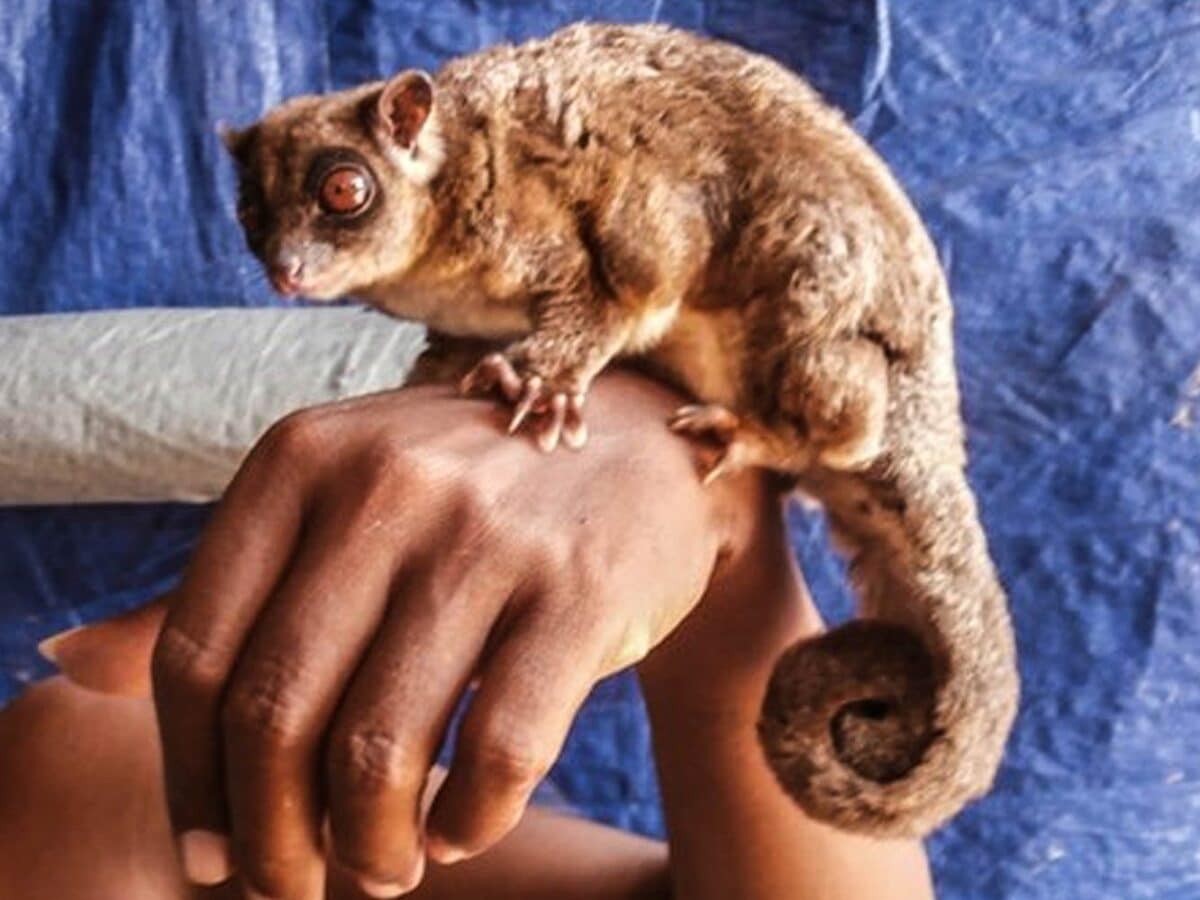
Equally astonishing is the rediscovery of the ring-tailed glider, Tous ayamaruensis. Known only from fossil records dating back to the Pleistocene and early Holocene periods, this marsupial has been reclassified as the first new genus of marsupial discovered in New Guinea since 1937. The ring-tailed glider’s return to the scientific community is not only a revelation for biologists but also for the local communities who have long revered it. As Rika Korain, a Maybrat woman and co-author of the rediscovery study, explained,
“Referred to locally as Tous by some Tambrauw and Maybrat clans, the glider is a sacred animal. Considered a manifestation of ancestors’ spirits and central to an educational practice referred to as ‘initiation,’ we worked very carefully and collaboratively with Tambrauw Elders and identification would not have been possible without cooperation with Traditional Owners and this connection has been essential for ongoing work.”
The glider’s spiritual and cultural significance to local tribes highlights the deep connection between the land, its species, and the people who live there. It’s an example of how indigenous knowledge can be crucial in rediscovering species that science had long forgotten. In this case, the close collaboration between the scientific team and local elders was pivotal in locating the ring-tailed glider in the dense forests of New Guinea.
Unraveling the Mysteries of New Guinea’s Ancient Species
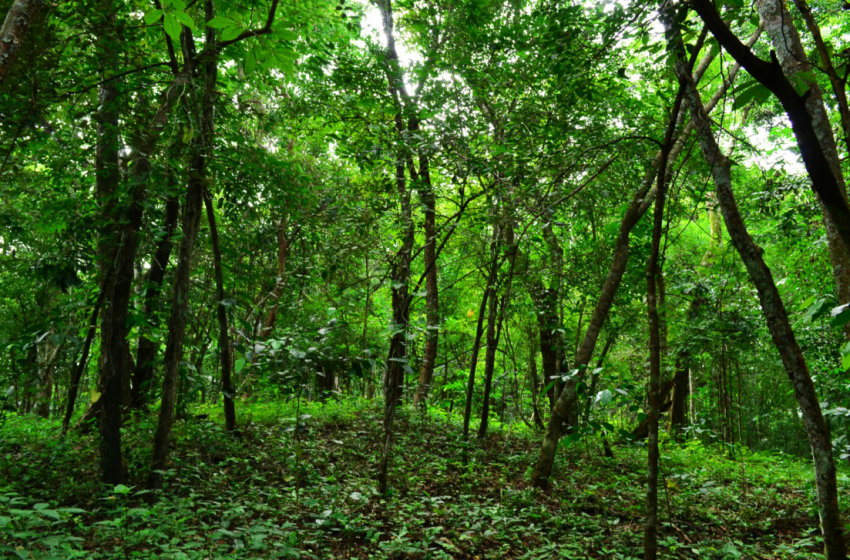
The geological history of New Guinea plays a crucial role in understanding why these creatures have survived in isolation for so long. As Flannery explains, “Its forests may shelter yet more hidden relics of a past Australia.” The Vogelkop Peninsula, where both the pygmy possum and the ring-tailed glider were found, is an ancient piece of the Australian continent that has become part of New Guinea through tectonic movements. This region’s unique position has made it a potential hotspot for other “Lazarus creatures,” species that may have survived in isolated ecosystems since Australia and New Guinea were once connected. This opens the door to further discoveries in the region and prompts questions about what other species may still be hiding in its vast, uncharted forests.
The significance of these findings goes beyond the simple thrill of rediscovering an extinct species. They bring to light the resilience of life and the enduring mystery of Earth’s biodiversity. The isolation of New Guinea’s ecosystems has preserved these creatures, providing a glimpse into a world that disappeared long ago.
The Urgency of Conservation Efforts
While the rediscovery of the pygmy long-fingered possum and the ring-tailed glider is a triumph for researchers, it also comes with a call to action. Both species face significant threats in their newly rediscovered habitat, particularly from logging, deforestation, and the ongoing conversion of land for agriculture. These activities, combined with the pressures of the wildlife trade, pose an immediate danger to the survival of these delicate species. Despite their recent discovery, the potential for these creatures to disappear again is very real.
The researchers involved in the studies stress the importance of protecting these habitats to ensure that these species have a future. “If nothing else is bad form, that definitely is,” Flannery concluded, urging for swift action. Ensuring the survival of the pygmy possum and the ring-tailed glider requires strong conservation policies, local engagement, and global attention to the environmental threats that continue to endanger biodiversity.
First Appeared on
Source link






