


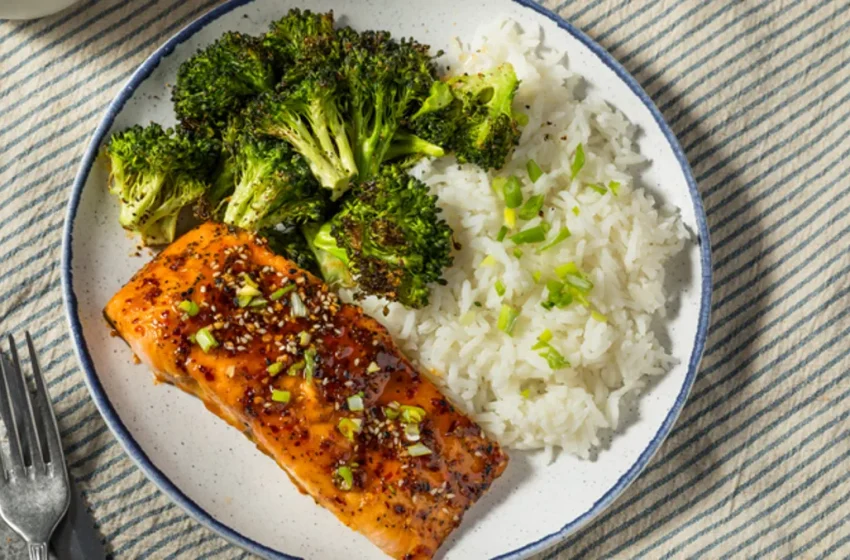
Is salmon skin good for you? Dietitians weigh in.
Salmon is one of the most nutritious proteins you can eat, packed with vitamins, minerals, and omega-3 fatty acids that support heart health, brain function, and immunity.
Yet many people avoid the skin, sometimes because they don’t like the texture or aren’t sure it’s meant to be eaten.
However, skipping it could mean missing out on valuable nutrients. Nutrition experts say salmon skin is safe to eat and packed with healthy fats that add to the fish’s already impressive benefits. Here’s what nutritionists recommend when including it in your meals.
How much protein is in salmon?
Along with many other nutrients in salmon, the finfish is also an excellent source of lean protein. Containing a whopping 17.3 grams in only 3 ounces, salmon is right up there with chicken as being capable of supplying your recommended daily protein intake pretty handily.
Getting enough protein is important for optimal immune function, blood sugar control, and healthy hair, skin and nails. “Protein also helps grow and maintain muscle mass and supports tissue repair,” Amy Goodson, a Texas-based nutritionist and registered dietitian at The Sports Nutrition Playbook, previously said.
And salmon’s high-protein content is also satiating, said Dr. Uma Naidoo, director of nutritional and lifestyle psychiatry at Massachusetts General Hospital and the Harvard-trained nutritional psychiatrist behind “Calm Your Mind with Food.”
Salmon is also a great source of omega-3s fatty acids, “which have anti-inflammatory properties that can improve your cardiovascular health and decrease your risk of issues like heart attack, heart arrhythmia, stroke and high blood pressure,” says Wilson Sanchez, a clinical registered dietitian based in New York. “Getting more omega-3 fats throughout your life can also boost your mood, cognitive function and memory — and may even reduce your risk of dementia and Alzheimer’s disease as well.”
Are there any downsides to eating salmon?
It’s not all good news for salmon, though, as the fish can also contain small amounts of harmful metals — especially in wild-caught varieties. “All fish contain some amount of mercury, salmon included,” said Sanchez. Over time, mercury can build up in the body and can cause brain development issues in some people. Fortunately, that’s unlikely to happen unless someone consumes a lot of fish frequently.
When consumed in large quantities, “smoked or canned salmon can (also) contribute to high sodium intake, which may affect heart health and cause conditions like hypertension,” cautioned Goodson.
And because salmon contains fish oil, it can act as a natural anticoagulant and blood thinner. This is why people taking medications like aspirin “should consult their doctor about any dietary restrictions they need to be aware of, including salmon,” said Naidoo.
Health benefits of eating salmon skin
The benefits of eating salmon are amplified by eating the fish’s skin. “Salmon skin is not only edible but also contains higher concentrations of those helpful omega-3 fatty acids,” said Naidoo.
Another benefit of salmon skin is the higher amount of healthy fats therein. “Since the skin is the outermost layer of salmon, it acts as a storage area for the fat the fish uses to regulate its body temperature in cold waters,” Goodson explained. “These healthy fats — including docosahexaenoic acid (DHA) and eicosatetraenoic acid (EPA) — are critical for heart and brain health.”
But if consuming salmon skin makes the meat of the fish less desirable to you, Sanchez said the skin can be removed to be cooked and enjoyed by itself. “Crispy fried salmon skin has a similar texture to bacon, but without many of the health concerns associated with that high-sodium pork product,” she explained. “And baked salmon skin can be broken apart to serve as a salad garnish (think croutons without carbs!), used in sushi or eaten on its own for a healthy snack.”
First Appeared on
Source link






