


60 years since humans touched the surface of another planet • The Register
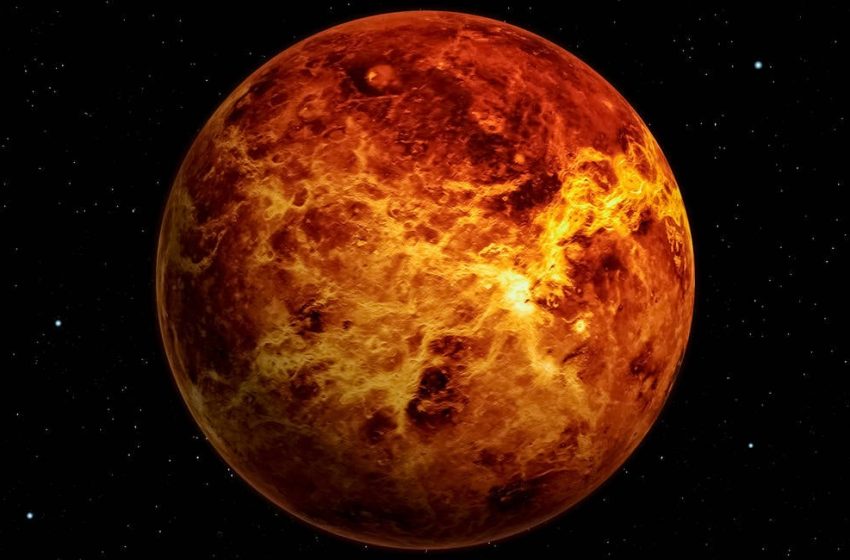
It is 60 years since humanity first got up close and personal with another planet, with the impact of the Soviet Union’s Venera 3.
An impact wasn’t the primary objective of Venera 3. The plan had been for the probe to descend by parachute, sampling the planet’s atmosphere as it went. However, a failure meant that Venera 3 never sent back any data and instead struck the surface.
Venera 3 was officially the third mission to Venus. Venera 1, an impactor, missed Venus in 1961. After several failures, Venera 2, a flyby mission, managed to make it to the planet, but contact was lost, and data the spacecraft’s instruments should have recorded was not received on Earth.
Launched on a Molniya rocket on November 16, 1965, Venera 3 was more ambitious than its predecessors. It would conduct a flyby and also release a lander to descend by parachute through the Venusian atmosphere and observe temperature, pressure, and composition.


Things did not go to plan [PDF].
After a course correction on December 26, 1965, ground control lost contact with the spacecraft on February 16, 1966, shortly before the Venus encounter. The lander was automatically released and reached the surface of the planet on March 1, 1966. According to Asif Siddiqi’s Beyond Earth, the impact occurred on the night side of Venus, at 0656 UTC, four minutes earlier than planned. It also represented the first time a human-made object made contact with another planet.
According to Siddiqi, the spacecraft conducted 63 communications sessions, providing scientists with data, including “on the energy spectra of solar wind ion streams beyond the Earth’s magnetosphere.” The big prize – data from Venus itself – was lost with the cessation of communications before encountering the planet. Later investigations blamed this on “overheating of internal components and the solar panels.”
A third mission to Venus in 1965 was lost after a booster failure during launch, leaving the probe stranded in low Earth orbit.
Venera 4, launched on June 12, 1967, was more successful and was the first to transmit data from a planet’s atmosphere. Its lander also returned data during its descent through the Venusian atmosphere. Subsequent missions snapped pictures of the planet’s surface, and a notable failure left one lander stranded in Earth orbit for half a century.
However, it was Venera 3, sterilized before launch to avoid contamination from Earth, that was the first to touch the surface of another planet, even if the mission did not go entirely to plan. ®
First Appeared on
Source link






