


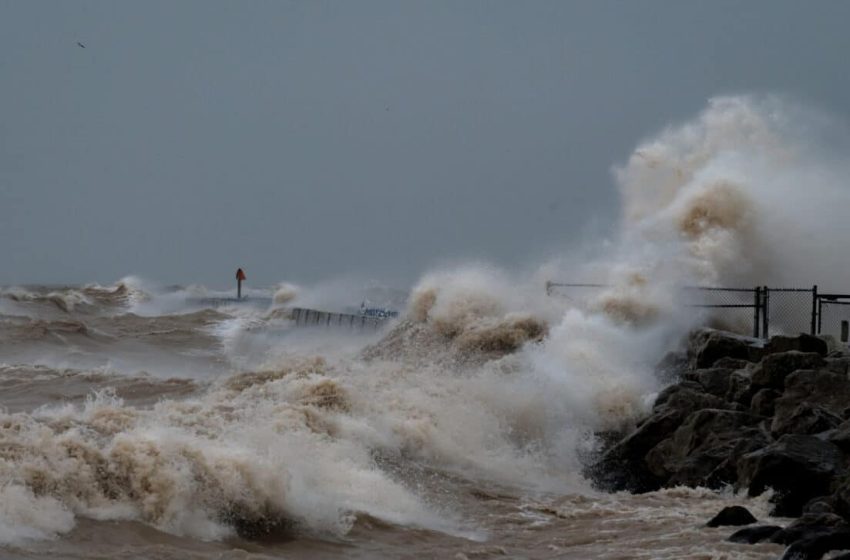
The Sea Is Already 3 Feet Higher Than Models Ever Predicted, and Southeast Asia May Be the First to Disappear
Sea level rise is already one of the most visible and concrete consequences of the human-driven climate crisis. Hundreds of millions of people living along global coastlines are directly exposed to its effects, and scientists had previously estimated that around 6 inches of global sea level rise is locked in by 2050. But that projection, it now turns out, may not have been starting from an accurate place.
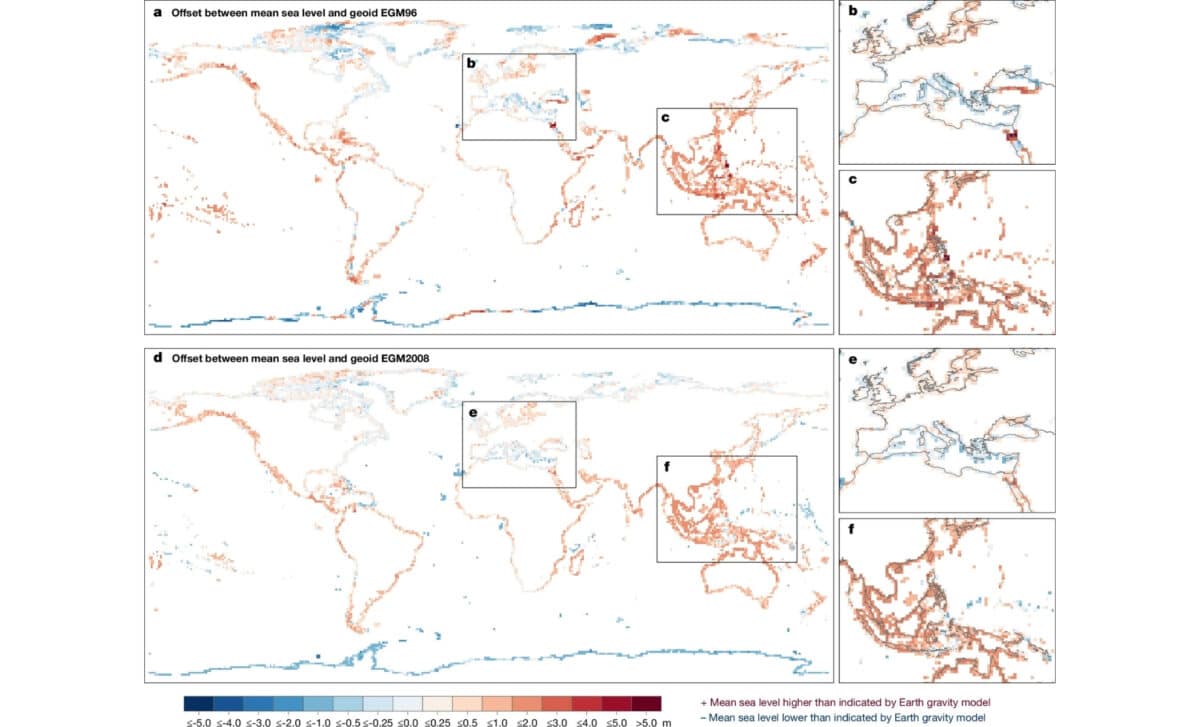
The problem lies in how researchers have traditionally measured the sea. For years, the scientific community has relied on a model that estimates sea level by analyzing Earth’s gravitational field and rotation, a technically sound approach, but one that fails to account for other key influencing factors such as tides, winds, ocean currents, water temperature, and saltiness. When those variables are left out of the equation, the result is a systematic underestimation of where the water actually stands.
A Blind Spot Hiding in Plain Sight
To get a fuller picture, the model needs to be paired with real-world satellite data capable of accurately measuring sea height. That’s according to Philip Minderhoud, a study author and associate professor at Wageningen University and Research in the Netherlands. Without that combination, scientists have essentially been working with incomplete information, and the consequences of that gap have quietly accumulated across decades of published research.
The research team didn’t just identify the flaw in theory. They went back through the scientific record and analyzed 385 peer-reviewed studies published over the past 15 years on sea level rise and its hazards. What they found was striking: 90% of those studies relied solely on model-based assumptions rather than real, measured observations from the physical world.
Minderhoud called it a “methodological blind spot“, one that has resulted in widespread underestimations of coastal sea levels and people’s exposure to related hazards. It’s the kind of systemic error that tends to go unnoticed precisely because everyone is working from the same flawed baseline.
Numbers That Demand Attention
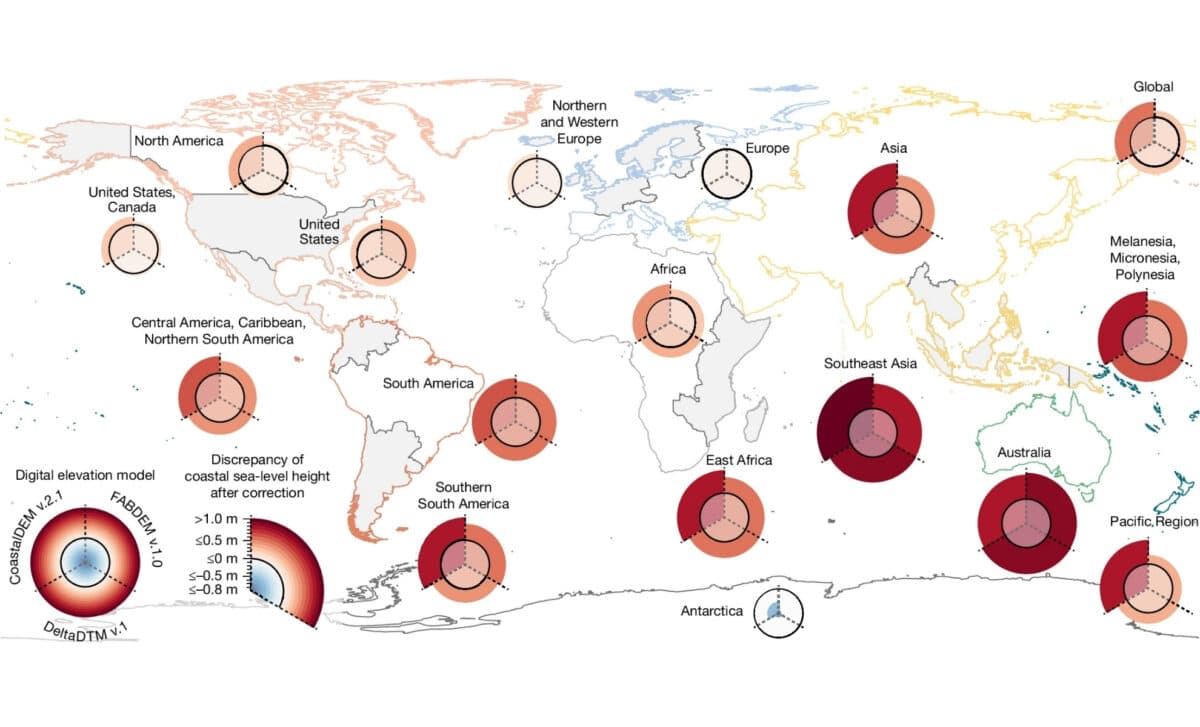
The figures themselves are hard to brush aside. According to the Nature study, global coastal sea level is on average around 1 foot higher than currently assumed. In certain regions, particularly Southeast Asia and parts of the Pacific, that gap climbs to as much as 3 feet.
Translate those numbers into human terms and the picture becomes even more unsettling. If sea level rises by around 3 feet, the study found, 37% more land would end up underwater than current projections suggest. That’s not a rounding error. That’s up to 132 million people across the world who are more exposed than existing risk maps have been telling us.
“Simply put, if sea level in reality is higher for your particular island or coastal city than was previously assumed, the impacts from sea-level rise will happen sooner than projected,” Minderhoud said. Sooner, not eventually. That single word carries a lot of weight for low-lying communities already watching their coastlines shrink.
Experts Outside the Study Are Equally Alarmed
What makes these findings particularly hard to dismiss is the reaction they’ve drawn from researchers who had no hand in producing them. As reported by CNN, Jonathan Bamber, director of the Bristol Glaciology Centre and a scientist with around 20 years of experience working on sea level rise, said the results left him “genuinely surprised.” Wrong assumptions about present-day sea level, he warned, will have important implications for the future in terms of the area and number of people potentially affected.
According to Matt Palmer, an associate professor at the University of Bristol who was also not involved in the study, the findings show that “the impacts of sea-level rise under climate change have been systematically underestimated.” That’s a pointed conclusion, and one that lands harder coming from outside the research team.
Bamber did offer one clarification worth noting: these revelations do not change projections for how much sea level rise might occur in the future. What they change is the starting point. And the study authors themselves have acknowledged that more work is needed, to reevaluate global sea levels, and to fully understand the risks now facing coastal communities both today and in the years ahead.
First Appeared on
Source link






