


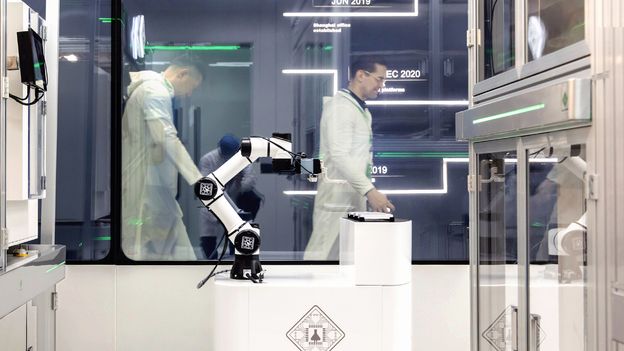
These diseases were thought to be incurable. Now AI is unlocking new treatments
“My belief is, in the next five to 10 years, the majority of new drug development could be guided by AI, or even entirely based on AI,” says Ding.
A limited revolution
But despite the advances powered by AI, there are limitations. Many of the datasets on drugs are held by biotech and pharmaceutical companies, meaning they are not publicly available. “You have to get the data about drug properties like absorption, distribution, excretion, toxicity,” says Collins. “We don’t have those datasets.”
At present, AI is most useful in the initial screening part of the drug development process: in target identification and finding molecules to bind to the target. These are just two steps in the long process it takes to develop new medicines, meaning it could be some time before any of these potential treatments find their way to patients, if at all.
“AI is revolutionising drug discovery, says Vendruscolo. “But only in very specific ways.”
—
For trusted insights on health and wellbeing, sign up to the Health Fix newsletter by senior health correspondent Melissa Hogenboom who also writes the Live Well For Longer and Six Steps to Calm courses.
For more science, technology, environment and health stories from the BBC, follow us on Facebook and Instagram.
First Appeared on
Source link






