


Buffalo Bills’ roster turnover may not set them back
With free agency almost in full swing, we’re starting to get the first glimpses of what the Buffalo Bills’ roster will look like for the 2026 season. Clearly we’re far from finalizing things, but the first major step has begun in earnest; ditching players.
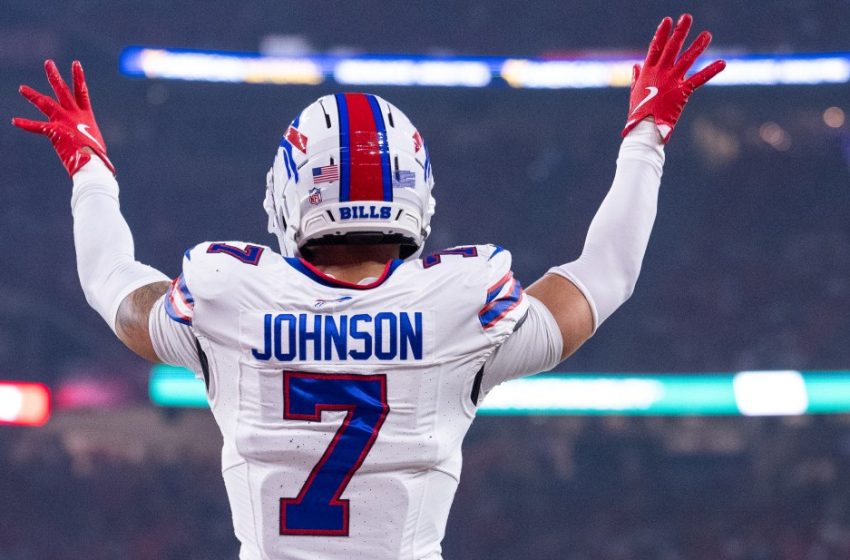
One of the first big moves was the release-turned-trade of slot cornerback Taron Johnson. Along with Johnson, Buffalo let safety Taylor Rapp and cornerback Dane Jackson go on defense, and also wide receiver Curtis Samuel on offense. Defensive back Cam Lewis is off to the Chicago Bears, and fan favorite fullback Reggie Gilliam is headed to the New England Patriots.
That’s not all either, but the spark behind this article came from the loss of Taron Johnson — one of my personal favorites. I’ve been through that before, we’ve been through roster shakeups before. Sometimes things work out okay.
The Sean McDermott era ends as it began
If you want the full trip down memory lane complete with reminders of Cordy Glenn and Marcell Dareus, check out the 2016 Bills roster and the 2017 Bills roster courtesy of Pro Football Reference. I’ll stick to what I recall being a massive concern for me at the time with the dawning of McDermott’s tenure. Defensive backs.
I know not everyone is a huge fan of Stephon Gilmore, but I personally don’t think he said anything too crazy about the team or city and his play was always sneaky good. Gilmore was a Pro Bowl player in 2016 and had established a heck of a reputation in Buffalo. His contract lapsed and the Bills simply… didn’t offer him a new one. You might not feel the same way I do about the person, but most Bills fans objectively saw this as a talent loss.
Aaron Williams’ unfortunately saw a promising career come to an end. Corey Graham was released. Though 31 at the time, Graham did play two more seasons. Ronald Darby entered training camp as the number-one corner with Gilmore gone. Darby got through one preseason game before being traded to the Philadelphia Eagles the next day. With that move complete, the Bills had turned over their entire starting defensive backfield.
Buffalo took some roster swings with a rookie Tre’Davious White and three veterans in E.J. Gaines, Jordan Poyer, and Micah Hyde. Even more massive, the Bills started the season as a traditional 4-3 defense. That’s notable because the prior defense was a 3-4 alignment and Buffalo had not yet started to rely on nickel. That is until Marcell Dareus was traded to the Jacksonville Jaguars midseason. To correct for this loss, Buffalo soon shifted to the McDermott-preferred nickel.
So the question is, how did it work out? Let’s remind ourselves:
If you’re new to these tables, on defense red highlighted areas are a good thing. You might not believe it, but the 2016 Bills defense wasn’t bad. Look at how many stats are on the right side of things. That said, most of the red highlights are barely in the red. As a counterpoint, the items on the wrong side of the ledger are also more in the “barely” category.
What does this all mean? This table is a very fancy way to show that Buffalo’s defense was average in 2016.

Feel free to pop up and down between the charts, but I’ll save you the work if you want. Despite all the changes schematically and roster wise, there was almost zero statistical change.
How comforting this news is depends on your point of view. There are fans concerned about a dropoff now that McDermott is no longer in charge. This provides some support for the notion that a step backwards is inevitable. It’s still possible of course but the 2016-2017 changes were wild and Buffalo was no worse the wear for it.
If you’re more on the side of Super Bowl or bust, this is less reassuring. From this, the suggestion might be that a leap forward isn’t all that likely. For me, the bottom line is merely an objective reminder of what we should have all known already. We’ll need to wait and see.
First Appeared on
Source link






