


Trump’s Huge, Complete, Very Strong Victory Over Iran Is Getting Costly
Yesterday we talked about how incompetent American leadership has been in the Iran war. Today I’m banging that drum again because the evidence keeps piling up. Walk with me.
(1) Regime change is off the table. Remember those first few hours when the Trump administration was all chesty about how the Iranian regime was toast? Not no more:
U.S. intelligence indicates that Iran’s leadership is still largely intact and is not at risk of collapse any time soon after nearly two weeks of relentless U.S. and Israeli bombardment, according to three sources familiar with the matter.
A “multitude” of intelligence reports provide “consistent analysis that the regime is not in danger” of collapse and “retains control of the Iranian public,” said one of the sources, all of whom were granted anonymity to discuss U.S. intelligence findings.
This reality creates a number of problems.
-
America will fail to achieve its stated objective, which will embolden enemies in future conflicts.
-
The Iranian regime may exit the war in a stronger position internally. It will have survived the biggest stress test in the Islamic Republic’s history. It will have navigated a succession challenge. Its relentless propaganda casting the United States and Israel as Iran’s hostile and implacable enemies will have been at least partially vindicated. It will have shown that it can withstand determined assault from the combined forces of the “Great Satan” and the “Little Satan,” something no regime in the history of the Middle East has previously managed.
-
If America exits the war without achieving its goal of regime change, then Iran’s strategy of leveraging control of the Strait of Hormuz will have been validated, giving it a clearer pathway to resist American arms in the future.
-
In both the United States and Israel, the political leadership is still publicly committed to a goal that both country’s militaries realize is impossible without (at least) a ground invasion of Iran. This is a recipe for blame-shifting, mistrust, and recrimination in all directions. That’s how alliances fracture.
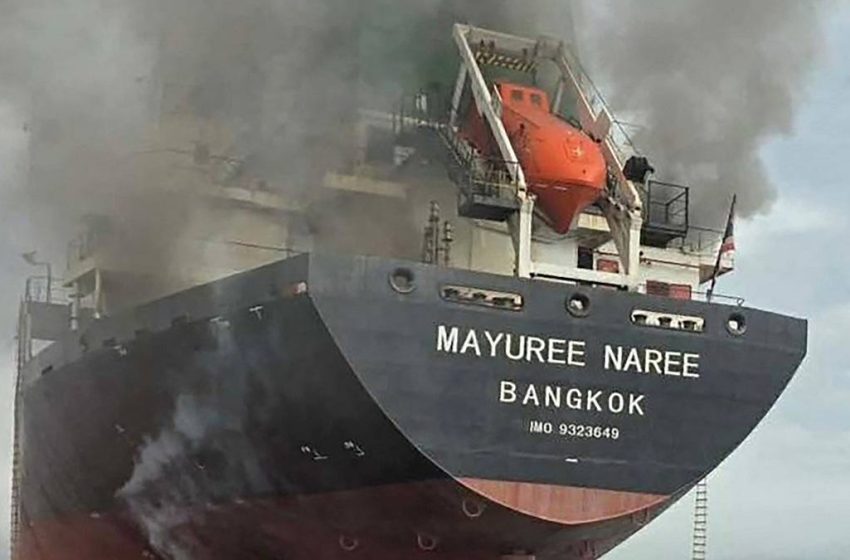
(2) The maritime insurance catastrophe is worse than you thought. At the beginning of the war, U.S. officials claimed they were confident the Strait of Hormuz would be kept open because they could prevent the Iranian Navy from laying mines.
Then it turned out
First Appeared on
Source link






