


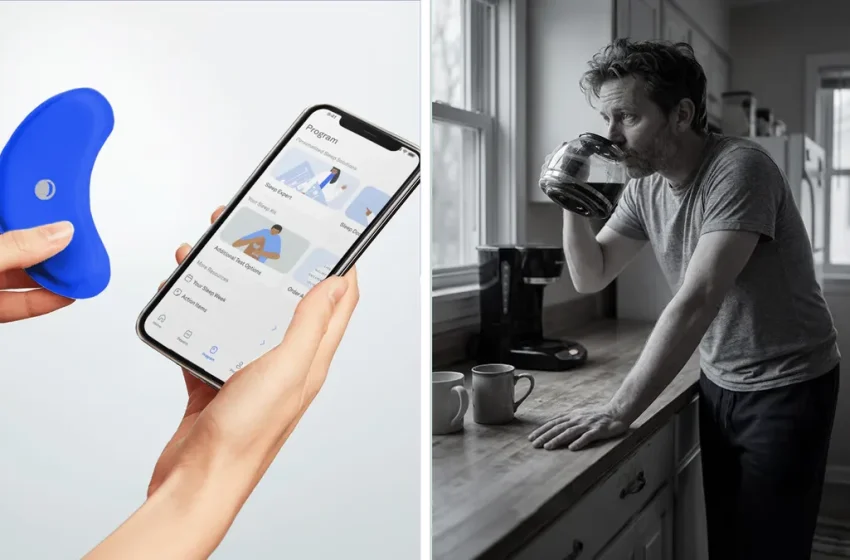
CPAP machines, at-home test for sleep apnea treatment
A Love Is Blind CPAP confession made waves—and spotlighted a real sleep issue affecting millions. For Sleep Week, here’s the unfiltered truth about the one device changing everything.
You can learn a lot from reality television like Love Is Blind. Seriously, in between the weird guys and surprising match-ups, the latest season showed us that romance isn’t just about candlelit dates and perfect skincare routines. Sometimes, romance is just about being honest with your partner about what helps you sleep. In an early episode, one contestant casually revealed that he uses a CPAP (continuous positive airway pressure) machine to manage sleep apnea. And instead of killing the mood? The couple made it clear that the device did not get in the way of intimacy.
Honestly? It was a refreshing, long-overdue take on the typically taboo subject of wearing one of those masks to bed.
Sleep Week 2026 is the perfect time to talk about the sleep products that aren’t traditionally luxurious, aren’t Instagram-worthy and probably won’t be going viral on TikTok any time soon—but actually work. CPAP machines fit neatly into that category. Most CPAP users don’t start out excited. Many resist therapy at first because the machines seem bulky, medical or intimidating. But once they start? It’s life‑changing. Find out if a CPAP machine is right for you below.
Take an at-home sleep apnea test for under $100
Sleep apnea is one of the most common—and most overlooked—sleep disorders
Sleep apnea is the second most common sleep disorder in the world, yet millions of people have no idea they have it. Untreated, it’s linked to headaches, daytime fatigue, increased risk of certain cancers, cardiovascular issues, mood changes and an overall decline in quality of life.
But, when it’s treated, the transformation is huge.
People with sleep apnea often describe CPAP therapy as “life before CPAP” and “life after.”
At‑home sleep apnea tests have become one of the most convenient ways to find out whether your snoring, fatigue or restless nights might actually be sleep apnea. Instead of heading to an overnight sleep lab, these tests let you collect clinical‑grade data from your own bed—and they’re surprisingly simple.
Here’s exactly how the process works from start to finish:
1. Complete a quick online questionnaire
Most at‑home sleep tests begin with a brief digital screening to confirm you’re eligible and to identify any symptoms that may point to obstructive sleep apnea. This step helps determine whether an at‑home test is appropriate for you.
2. Download the Wesper app and set up your kit
Once your test arrives, you’ll use the companion app to walk through setup. The app provides easy instructions, reminders and guidance that ensure the test is performed correctly—no technician required.
3. Apply the two sensor patches before bed
This is the core of the test. The medical‑grade adhesive patches track important sleep and breathing metrics such as airflow, breathing pauses, movement and oxygen changes. Simply place them where instructed, open the app and hit “start test.”
4. Sleep normally while the test captures your data
There’s no equipment strapped to your face, no wires and no bulky machinery. The small sensors gather precise data while you sleep, making the process much more comfortable than traditional studies.
What happens after the sleep apnea test?
Once your data syncs, a board‑certified sleep specialist analyzes your sleep patterns, breathing irregularities and overall risk factors for obstructive sleep apnea. You’ll receive an easy‑to-read report in the app or via email.
If your test results indicate sleep apnea, a prescription for CPAP therapy or another recommended treatment can be issued, allowing you to begin addressing the condition right away. (This is the step that makes at‑home testing such a fast path to relief.)
Note: You must be 18 or older to take the test.
Get your at-home test for under $100
CPAPs aren’t glamorous, but they’re the sleep product that actually works
Unlike plush robes, satin sheets and pillowcases or $300 diffusers, CPAP machines deliver measurable results. They keep airways open, prevent breathing interruptions, and help users finally get deep, restorative sleep.
That’s why CPAP users are increasingly ditching the shame and embracing the reality that enjoying better sleep is worth it.
How the $50 CPAP.com store credit works
When you purchase an at‑home sleep apnea test through CPAP.com, you’ll automatically receive $50 in store credit in your CPAP.com account. The credit is added after your sleep test order is processed, and you can use it toward any future purchase—including CPAP machines, masks, replacement parts, humidifiers and other sleep‑health products.
What is a CPAP machine used for?
A CPAP machine helps treat sleep apnea by delivering continuous air pressure to keep your airways open while you sleep. It reduces snoring, nighttime awakenings and fatigue.
Does a CPAP machine actually improve sleep?
Yes. Most users report deeper, more restorative sleep within days or weeks. CPAP therapy helps prevent breathing interruptions that lead to poor sleep quality.
Is CPAP therapy uncomfortable?
It can take a few nights to adjust, but modern CPAP machines are quieter, smaller and more customizable than they were a few years ago. Finding the right mask style makes a big difference.
Can using a CPAP affect intimacy or relationships?
Not usually. Many couples find that better sleep improves mood, energy and connection. The Love Is Blind CPAP moment showed that honesty about sleep health is nothing to be embarrassed about.
Find out if a CPAP machine is right for you
USA TODAY Shopping will be covering all the best deals and drops, so be sure to sign up for text alerts, check us out on Flipboard, follow us on TikTok, sign up for our newsletter and follow us on Instagram to stay updated!
First Appeared on
Source link






