


These 5 Foods May Raise Your Risk of Oral Cancer, According to Experts
Reviewed by Dietitian Madeline Peck, RDN, CDN
Credit: Design elements: Getty Images. EatingWell design.
Key Points
-
Processed meats, alcohol, red meats, sugar-sweetened beverages and fried foods may increase cancer risk.
-
High-heat cooking like deep-frying and charring can create DNA-damaging compounds.
-
Healthy swaps, like baked chicken instead of deli meat, may help lower risk.
Oral and oropharyngeal cancers are the sixth most common cancers in the U.S., with tobacco use, heavy alcohol consumption and HPV infection among the most well-known risk factors. But diet is a quieter contributor that rarely gets the attention it deserves. While overall eating patterns and lifestyle choices are more impactful on cancer risk than any single food, there are certain foods that may contribute to increased risk. These foods can irritate the tissues in your mouth, fuel inflammation and interfere with your body’s ability to repair damaged cells, which could raise cancer risk over time. The good news? Small, sustainable dietary shifts may help lower that risk.
From what you drink to how your meat is prepared, some everyday food choices have been linked to increased oral cancer risk. Below, experts break down five foods to be mindful of and what to reach for instead.
1. Processed Meats
Processed meats like deli meat, bacon, hot dogs and sausage are among the most well-documented dietary risk factors for cancer. The World Health Organization classifies them as Group 1 carcinogens, and research suggests that regularly eating them may also raise the risk of oral cavity cancer.
“Processed meats contain nitrites and nitrates used for preservation, which are converted into carcinogenic compounds when consumed,” says Veena Vats, M.D., FACS. In plain terms, these preservatives get transformed in your body into chemicals that can damage the DNA in your cells—the instructions that keep them growing normally.
To cut back without sacrificing convenience, Stacy Davis, RD, recommends making your own at home: “You can buy a turkey breast and season it with smoky seasonings like paprika and garlic, and bake it in the oven. Slice it and add it to your sandwich. When you make it at home, you have more control of the added sugar and salt in your food.”
2. Red Meat Cooked at High Temperatures
Red meat like beef, pork and lamb has a more nuanced relationship with cancer risk than processed meat. The WHO classifies it as a Group 2A carcinogen, meaning it is probably carcinogenic to humans, based on limited but consistent evidence linking it to colorectal, pancreatic and prostate cancers. The evidence for oral cancer specifically is still emerging, but amount and cooking method both appear to matter.
How you cook your meat may be just as important as how much you eat. “Grilling, smoking or pan-frying meats increases the formation of heterocyclic amines and polycyclic aromatic hydrocarbons, which are known cancer-causing agents,” says Vats. Think of these as unwanted chemical byproducts that form when meat hits high heat. Once in the body, they can latch onto DNA and interfere with normal cell function. The good news is that simple swaps can make a real difference. “Braising, steaming, poaching, stewing or microwaving minimizes their production,” Vats explains. Marinating meat before cooking and avoiding charring are two of the easiest ways to reduce your exposure.
3. Alcohol
Alcohol is one of the most well-established dietary risk factors for oral cancer. The WHO categorizes alcohol as a Group 1 carcinogen, meaning there is strong scientific evidence linking alcohol and several cancers, including oral cancer. When your body breaks down alcohol, it produces a toxic byproduct called acetaldehyde—think of it like a chemical that damages the blueprint inside your cells, making it harder for them to copy themselves correctly. Over time, that kind of damage can set the stage for cancer. To minimize your risk, it’s best to avoid alcohol altogether, or if you do drink alcohol, limit your intake.
Alcohol can also show up in other places in your life, like your bathroom cabinet. “While many people think of the occasional cocktail or drink with friends, alcohol can also be present in everyday oral care products. For example, many mouthwashes contain alcohol. For this reason, choosing an alcohol-free mouthwash may be helpful; speak with your dentist about the most appropriate option for your oral health,” says Taylor Janulewicz, RDN, LD.
4. Sugar-Sweetened Beverages
Research suggests that regularly drinking sugar-sweetened beverages (sodas, sweetened coffees, energy drinks and even certain fruit drinks) may raise overall cancer risk. When it comes to oral cancer specifically, emerging research points to a particularly striking finding in women. “A recent study showed consuming one or more sugar-sweetened beverages daily increased oral cancer risk in women nearly fivefold compared to drinking one beverage per month,” says Vats. The proposed reasons include overconsuming high-fructose corn syrup fueling inflammation in the mouth, disrupting the balance of oral bacteria and worsening gum disease, all of which may create an environment where cancer is more likely to develop.
While this research focused on women, it’s a good reminder for everyone to be mindful of how much sugar they’re sipping throughout the day. Swapping sweetened drinks for water, unsweetened tea or fruit- and vegetable-based beverages is a simple but meaningful change. “Flavored teas are great because they bring flavor without the extra sugar. You can also add fresh fruit,” suggests Davis.
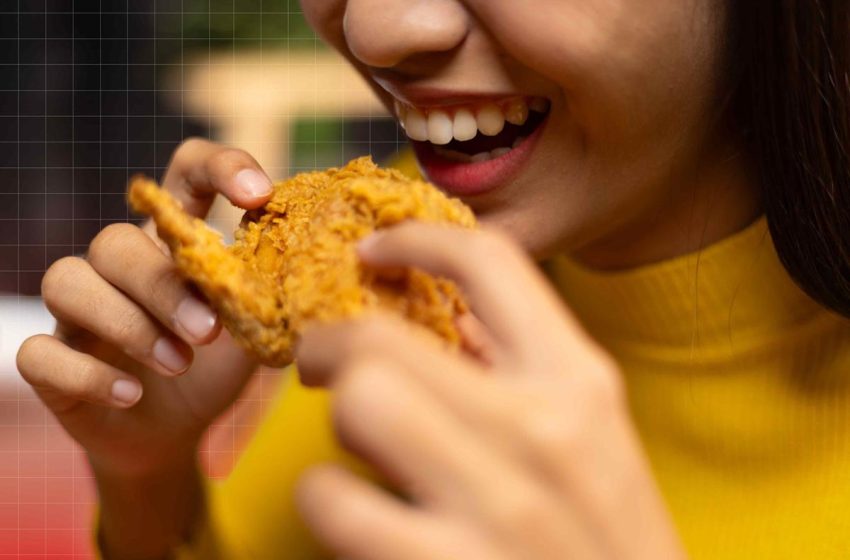
5. Fried Foods
Fried foods have been directly linked to stomach, rectal and colon cancer, and emerging research suggests a moderately increased risk of oropharyngeal cancer in men who regularly eat a diet rich in fried foods. Like grilled and smoked meats, frying at high temperatures generates harmful compounds that can damage DNA in oral tissues. Fried foods also contribute to a pro-inflammatory dietary pattern, and chronic inflammation is one of the key conditions that makes it easier for cancer to develop over time. Air-frying is a better option than deep-frying, though not entirely risk-free. “Air-frying involves high-temperature cooking, which can still form HCAs; however, since cooking time is generally shorter, the amount produced can be less,” notes Vats. Baking, steaming and poaching remain the gentlest options overall.
Our Expert Take
No single food causes oral cancer, but a diet regularly high in processed meats, red meat cooked at high temperatures, sugar-sweetened beverages and fried foods can create conditions in the mouth and body that raise risk over time. Small, consistent changes like making your own deli-style meats at home, swapping soda for flavored tea and choosing gentler cooking methods more often can help reduce risk. Your overall dietary pattern matters more than any one food, and pairing these swaps with a diet rich in fruits and vegetables can help to lessen oral cancer risk.
Read the original article on EatingWell
First Appeared on
Source link






