


Once Believed to Be Extinct, This Creature Has Recently Been Captured on Camera in California’s Remote Forests
Thought to have vanished forever, this mysterious creature has been rediscovered in the remote forests of Northern California. A new study from Oregon State University has provided a glimpse into the lives of these elusive creatures, revealing that they’re still hanging on.
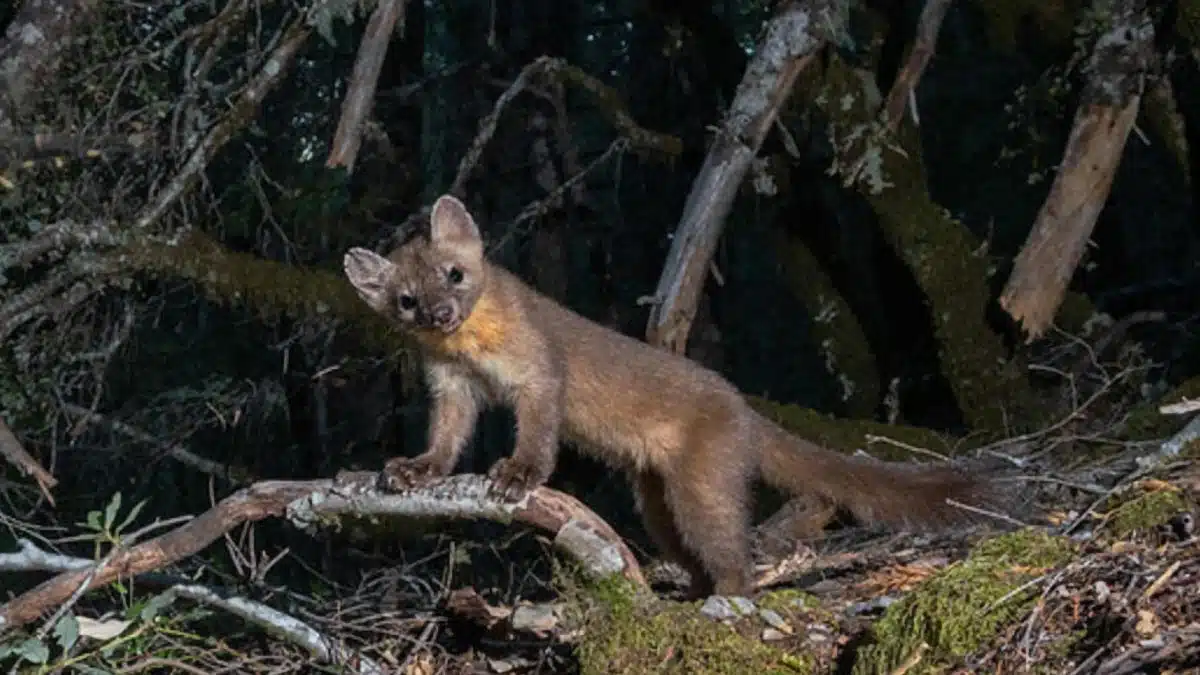
The creature, a small carnivore about the size of a ferret, was once widespread along the West Coast, but it nearly vanished in the 20th century due to trapping and habitat loss from logging. In fact, scientists once thought the species was extinct, but in 1996, a small population was found in the coastal forests of northern California. Now, thanks to this new research, we know that martens still survive in the region.
Hard to Find, But Still There
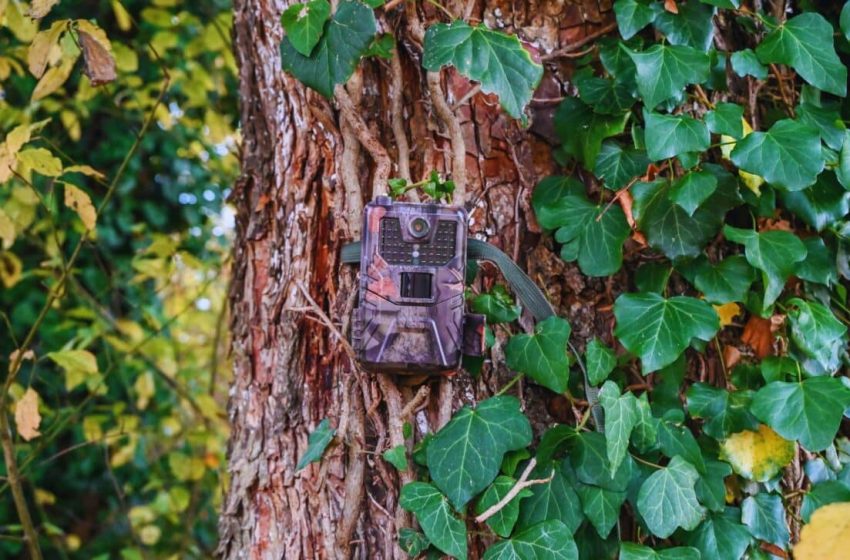
According to the study, the coastal marten is a tough animal to track. They live in remote, rugged areas and are known for being shy and secretive. In 2022, researchers from OSU set up remote cameras and hair snares across 150 square miles of northern California’s forests to learn more about where the martens live. They found 46 martens, showing that the species is still hanging on.
These animals were most commonly found in two types of environments: higher forested ridges with winter snow and lower, forested ravines along coastal regions. The fact that martens prefer these areas with dense trees and reliable snowpack shows how important healthy, well-preserved forests are to their survival.
Is This Creature Still at Risk?
The coastal marten’s future is far from secure. Habitat destruction, intensified by climate-driven wildfires, poses a constant danger. On top of that, logging, cars, and toxic rodenticides are taking a heavy toll on the struggling population. Sean Matthews, an OSU wildlife ecologist, pointed out that:
“Coastal martens like forests with old-growth characteristics, and those types of forests are being threatened by the effects of climate change, including more frequent and severe wildfire, and certain forest management practices,” he explained. “Beyond that, there’s a lot we don’t know about this species, including information as basic as what forests do coastal martens still occupy, how many martens are there, and are these populations increasing.”
The Ultimate Problem-Solver
But perhaps the most meaningful part of this study is what it reveals about the people working to protect those creatures. Indigenous groups like the Yurok Tribe have been quietly restoring habitats and caring for the land for generations, long before scientists arrived with their notebooks and tracking devices.
“We have a lot to learn about marten distribution and demography, and how forest conditions influence their distribution and density,” said Erika Anderson, an OSU researcher and lead author of the study.
A more thorough investigation into the marten’s behavioral patterns and habitat preferences will be required to develop targeted conservation measures.
First Appeared on
Source link






