


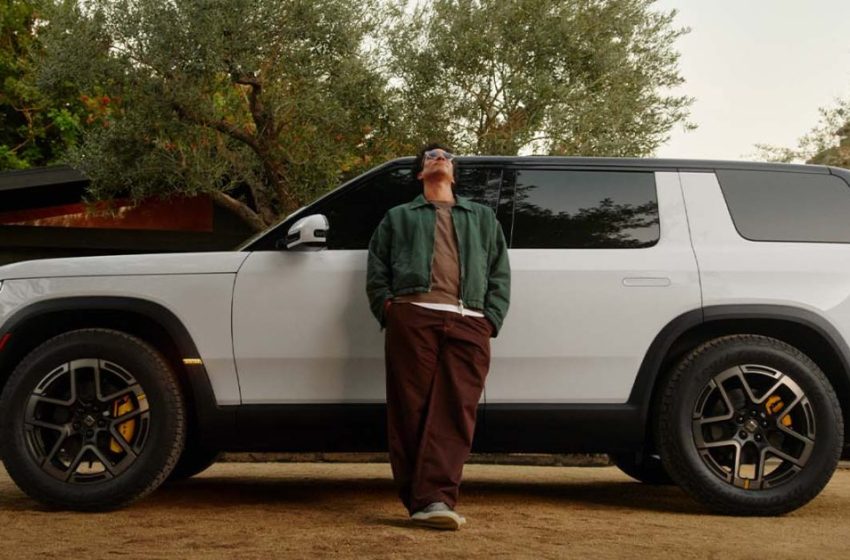
Washington opens Tesla’s direct EV sales loophole to Rivian and Lucid
Washington state legislators just voted overwhelmingly to allow Rivian and Lucid to sell electric vehicles directly to consumers, ending a 12-year arrangement that gave Tesla exclusive access to direct sales in the state.
Senate Bill 6354 passed the House 84-9 and the Senate 47-2 — a bipartisan blowout that now heads to Governor Bob Ferguson’s desk for signature.
The new law chips away at the franchise dealership model that has long protected traditional automakers in Washington. Since 2014, Tesla has been the only manufacturer allowed to bypass locally owned dealerships and sell directly to buyers. Rivian and Lucid operated showrooms in the Seattle area, but state law barred them from completing transactions — forcing customers to either purchase online or drive to Oregon.
That workaround was, frankly, absurd. Washington residents could walk into a Rivian showroom, sit in an R1T, ask questions about trim levels, but couldn’t discuss financing or drive away with a vehicle. The state’s own consumers were subsidizing Oregon’s tax revenue for no good reason.
Rivian’s $4.6 million threat changed the math
The direct sales fight in Washington stalled for years because the state’s powerful car dealer lobby blocked every attempt to expand Tesla’s exemption. What finally broke the logjam was Rivian pledging $4.6 million to a ballot initiative that would have gone much further — potentially allowing broad direct sales and undermining the franchise model entirely.
Faced with the prospect of a November 2026 ballot measure that could eliminate their protected status, dealers came to the negotiating table. The result is a narrowly tailored compromise.
SB 6354 allows direct sales only for manufacturers that meet all of these criteria: they must be US-based, produce exclusively battery-electric vehicles, have never used franchised dealerships, operate at least one service center in Washington, and have at least 300 vehicles registered in the state before January 1, 2026. That currently means only Rivian and Lucid qualify alongside Tesla.
The 300-vehicle registration threshold and the January 2026 cutoff date effectively lock out newer EV startups and foreign manufacturers — a provision that kept enough dealer support to pass. Traditional automakers like Honda, Ford, and General Motors still must sell through franchise networks. The bill also raises Washington’s vehicle dealer documentary service fee from $200 to $250, with a portion of the increase directed toward EV rebates for low-income households.
The bigger picture: direct sales battles continue across the US
Washington’s move follows a pattern playing out state by state. Colorado passed a direct sales law benefiting Rivian in 2020, while Michigan moved in the opposite direction, closing the door behind Tesla and blocking Rivian and Lucid from direct sales. Rivian and Lucid were sued by Illinois dealers for operating outside the franchise system.
The franchise model remains entrenched in roughly 14 states where Tesla still can’t sell directly, including Alabama, Kansas, Kentucky, and West Virginia. Tesla operates 276 locations across 43 states and territories — a sprawling retail footprint built through years of state-by-state legal battles.
State Sen. Marko Liias, the Democrat from Edmonds who sponsored SB 6354 alongside Republican Curtis King of Yakima, framed the bipartisan support as a reflection of consumer demand. Opponents, including Honda lobbyist Craig Orlan, argued the bill gives EV-only brands an unfair competitive advantage over manufacturers bound to the franchise system.
Governor Ferguson has until April 4 to act on the legislation. If signed, the law takes effect in approximately 90 days, meaning Rivian and Lucid could complete in-showroom sales in Washington by this summer.
Electrek’s Take
This is a straightforward win for EV buyers in Washington, and the vote margins tell you everything about where the politics have shifted. An 84-9 House vote and 47-2 Senate vote in favor of direct sales would have been unthinkable five years ago when the dealer lobby had an iron grip on this issue.
The real story here is Rivian’s hardball strategy. By pledging $4.6 million to a ballot initiative that would have blown the franchise model wide open, Rivian forced dealers into a compromise they’d been blocking for years. Dealers got a narrowly scoped exemption instead of a broad consumer-choice ballot measure — and they should consider themselves lucky. The ballot initiative would have been far more damaging to their business model.
We’ve said it many times: the franchise dealership model is one of the biggest obstacles to EV adoption in the United States. The requirement to sell through third-party dealers who have little incentive, and often outright hostility, toward selling EVs is a structural problem. Every state that opens direct sales for EV manufacturers is removing friction from the buying process. Washington joining that list, with this level of bipartisan support, is a strong signal that the dealer lobby’s grip is weakening nationwide.
The big question now is whether other EV-only manufacturers, and eventually traditional automakers exploring direct sales, will use Rivian’s playbook in other states. Threaten a ballot measure, force a compromise. It worked in Washington.
If dealers are truly adding value for consumers in sales and service, they will survive. They don’t need to be protected against newcomers. As for protection against their own automakers competing with them, that is more understandable and the original intent of these direct sale laws.
FTC: We use income earning auto affiliate links. More.
First Appeared on
Source link






