


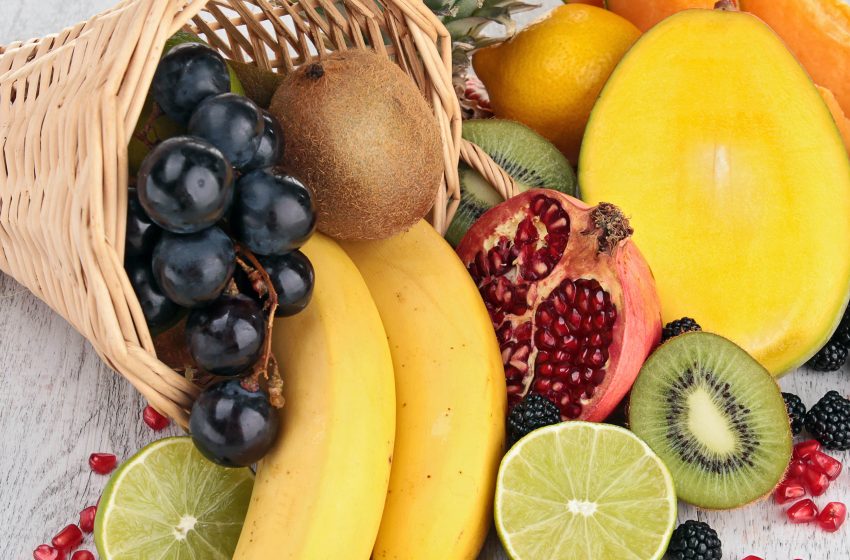
Two everyday fruits lower blood pressure and boost heart health
Most people try to incorporate some types of fruit into their diets, as they should. However, new research suggests two fruits in particular could play a meaningful role in overall heart health.
A team of researchers decided to test a simple idea: what happens if people with heart issues and/or prediabetes add two specific fruits to their daily diet, without changing anything else?
Avocados and Mangos
Adults with prediabetes were split into two groups. One group, called the Avocado-Mango (AM) group, added one medium Hass avocado and a cup of fresh mango to their daily meals and snacks for eight weeks straight.
The other group ate a similar number of calories but replaced avocados and mangos with carbohydrate-based foods instead.
Nobody was told to lose weight. Nobody changed their exercise habits. The only real difference was those two fruits.
At the end of the eight weeks, the researchers compared the results – and the fruit group came out ahead on multiple measures of cardiovascular health.
Numbers that jump out
Blood vessel function is measured using something called flow-mediated dilation, or FMD. Think of it as a test of how well your arteries can widen and flex when blood flow increases – healthy arteries do this easily, stiff or damaged ones don’t.
The AM group saw their FMD score rise to 6.7%, while the control group’s actually declined to 4.6%. That’s a meaningful gap.
Diastolic blood pressure – the lower number in a reading, reflecting how hard your arteries work between heartbeats – also improved, particularly among men.
Men in the control group saw their central blood pressure climb by an average of 5 points (mmHg).
Men eating the avocado-mango combination saw a reduction of about 1.9 points. That kind of difference, held over time, can matter a lot.
Why avocados and mangoes?
Avocados and mangoes don’t seem like obvious teammates. One is fatty and savory; the other is sweet and tropical. But nutritionally, they complement each other pretty well.
Avocados pack heart-healthy monounsaturated fats that can help support healthy cholesterol levels. They also provide fiber, which aids digestion and helps you feel full longer.
Rich in potassium, avocados help balance fluids and support normal muscle and nerve function. They also contain vitamins like E, C, K, and several B vitamins that support skin, immunity, and energy production. Their antioxidants, including lutein and zeaxanthin, may help protect eye health.
Mangoes deliver vitamin C, which supports immunity and helps the body absorb iron. They also provide vitamin A, an important nutrient for eye health, skin, and normal immune function.
Mangoes contain antioxidants like beta-carotene and polyphenols that help protect cells from everyday stress. They also offer potassium and folate, which support heart health and overall wellness.
Avocado-mango group key results
Together, the AM group saw measurable increases in all three: fiber, vitamin C, and monounsaturated fat.
On top of the cardiovascular findings, select kidney function markers also improved in the fruit group.
Dr. Britt Burton-Freeman, the study’s principal investigator, is a professor at Illinois Institute of Technology.
“This research reinforces the power of food-first strategies to help reduce cardiovascular disease risk, particularly in vulnerable populations like those with prediabetes,” said Dr. Burton-Freeman.
No major overhaul needed
One of the more compelling angles here is what didn’t happen. Participants didn’t lose weight. They didn’t cut calories. They didn’t run more miles or attend spin classes. The cardiovascular improvements showed up anyway.
That tells researchers something important: nutrient-dense foods can improve specific health markers on their own, independent of weight loss.
“It’s an encouraging message: small, nutrient-dense additions – like incorporating avocado and mango into meals and snacks – may support heart health without the need for strict rules or major dietary overhauls,” noted Dr. Burton-Freeman.
For the millions of Americans living with prediabetes who feel overwhelmed by health advice, that framing matters.
No cholesterol, blood sugar, or inflammation differences were found in this study, so this isn’t a cure-all – but as one piece of a larger picture, these findings are worth taking seriously.
The bigger takeaway
Cardiovascular disease is still the leading cause of death globally. For people with prediabetes, the risk is even more elevated.
Researchers and doctors have long pushed the idea that diet is medicine, but specifics are often hard to nail down. Studies like this one add some concrete evidence to that general advice.
An avocado and a cup of mango a day won’t replace medical care or a well-rounded healthy lifestyle.
But if they can quietly support blood vessel health and help keep blood pressure in check – without any extra effort – that’s a trade most people would take.
The full study was published in the journal Journal of the American Heart Association.
—–
Like what you read? Subscribe to our newsletter for engaging articles, exclusive content, and the latest updates.
Check us out on EarthSnap, a free app brought to you by Eric Ralls and Earth.com.
—–
First Appeared on
Source link






