


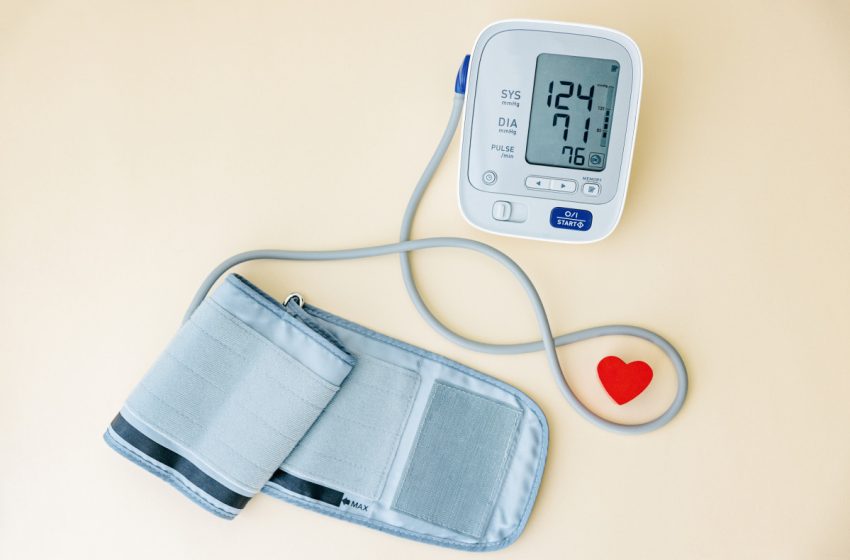
The Top Thing To Avoid in the Morning for Managing High Blood Pressure
If you have high blood pressure, you likely know some precautions to take. Lower your salt intake, get good sleep, engage in exercise and take doctor-prescribed medications, which can all work to lower your blood pressure.
Dr. Tariqshah Syed, MD, Chief of Cardiology at Holy Name Medical Center, says that blood pressure is “the actual pressure in the arteries that deliver blood from the heart to the body.” He further explains that systolic blood pressure, or the top number, is when the heart is pumping blood into the body, and diastolic blood pressure, or the bottom number, refers to blood pressure after the heart stops pumping into the body, and the pressure is maintained from the recoil in the arteries.
Normal blood pressure for adults is typically 120/80. Hypertension Stage 1, as it’s called, is 130 – 139/80 – 89 and Stage 2 is >140/>90. According to the Centers for Disease Control and Prevention (CDC), nearly half of adults have high blood pressure.
If you’ve been diagnosed with high blood pressure, you probably know about all the lifestyle tweaks you should be making. But did you know that there’s something you should avoid doing as soon as you wake up? As it turns out, this action can create an adverse reaction and cause symptoms related to this chronic condition.
🩺SIGN UP for Parade’s health newsletter with expert-approved tips, healthy eats, exercises, news & more to help you stay healthy & feel your best self💊
Kinga Krzeminska/Getty
(Kinga Krzeminska/Getty)
The One Thing You Should Never Do After Waking up if You Have High Blood Pressure
Menhel Kinno, MD, MPH, a cardiologist at the Rush University System for Health, says that if you have high blood pressure, avoid jumping straight out of bed upon waking, especially if you are taking antihypertensive medications.
“Instead, rise gradually by sitting on the edge of the bed for a minute or two first, to prevent dizziness, lightheadedness or even fainting,” he advises. “These symptoms are caused by a temporary drop in blood pressure from impaired venous return—that means less blood is flowing back to your heart than usual.”
Related: The One Habit That Can Lower Your Blood Pressure Overnight, According to a Cardiologist
Other Things To Avoid Immediately After Waking Up
In addition to getting up slowly instead of instantaneously hopping out of bed, there are other things you should avoid doing as soon as you wake up.
Dr. Kinno says that those with high blood pressure shouldn’t dive into vigorous physical activities after waking. This can include intense running, heavy weightlifting, high-intensity interval training (HIIT) or other types of strenuous workouts.
“Blood pressure rises sharply upon awakening due to circadian rhythms, increased sympathetic activity and hormonal shifts,” Dr. Kinno explains. “This natural morning blood pressure surge can amplify cardiovascular stress, potentially raising the risk of heart strain, arrhythmias or other events, especially in those with uncontrolled hypertension, heart disease history or certain medications.”
Related: ‘I’m a Cardiologist—Here’s How To Know When You Should Go on Blood Pressure Medication’
That’s why, apart from sitting up gradually, Dr. Kinno recommends getting hydrated, taking any medications and then after 30 to 60 minutes, starting with light movement, such as gentle stretching or a slow walk.
“Save more vigorous exercise for later in the day when your body is better prepared and your blood pressure has stabilized,” he says.
Also, Dr. Kinno suggests that you should work with your doctor to customize an exercise regimen that’s tailored to you and your blood pressure needs.
Related: When To Worry About Changes in Your Blood Pressure, According to Cardiologists
“Consult your doctor to personalize the timing and intensity of your exercise routine, because regular moderate aerobic activity, spread throughout the week, remains highly beneficial overall for managing hypertension and reducing long-term risks,” he says.
In general, Dr. Syed says that elevated blood pressure doesn’t typically lead to any symptoms unless it’s extremely elevated, and the same goes for low blood pressure. If you fall within either of these categories, be sure to take extra care to go slow when you wake up.
“A lot of the time, patients would not seek medical attention as there are no symptoms, but blood pressure could cause organ damage over time, and thus, it is important to consult with your doctor and get it treated regularly,” he says.
Up Next:
Sources:
This story was originally published by Parade on Mar 17, 2026, where it first appeared in the Health & Wellness section. Add Parade as a Preferred Source by clicking here.
First Appeared on
Source link






