


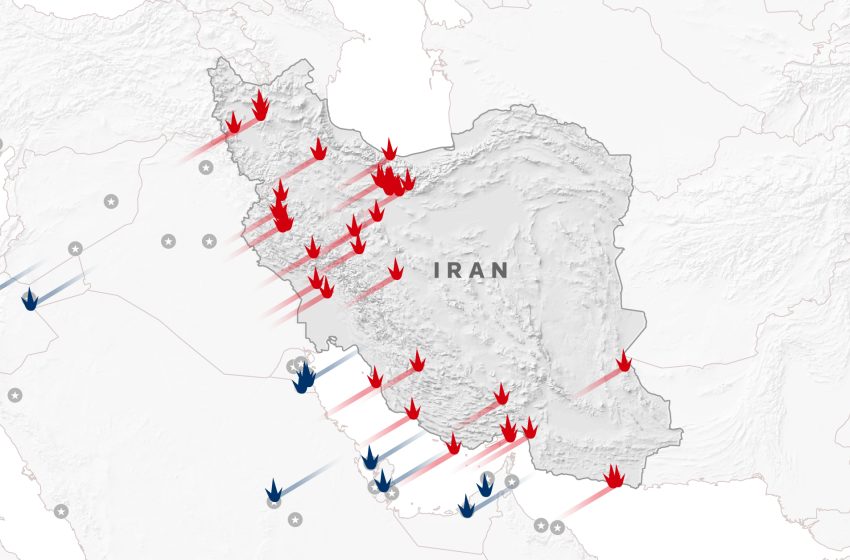
Attacks on major oil, gas sites in the Middle East
The escalating U.S.–Israeli war with Iran and Tehran’s retaliation against Gulf neighbours have severely disrupted Middle Eastern energy infrastructure and global oil and gas flows. Israeli strikes on Iran’s South Pars gas field and the Asaluyeh processing hub on March 18 triggered a wave of retaliatory attacks across the Gulf that hit refineries, gas plants and export terminals in Saudi Arabia, Kuwait, Qatar, the United Arab Emirates and Bahrain.
Multiple key facilities have been damaged or shut. Drone and missile attacks struck refineries and LNG plants in Saudi Arabia, Kuwait and Qatar, while missile debris forced the shutdown of the UAE’s massive Habshan gas complex and repeated attacks targeted its Fujairah export terminal.
Bahrain declared force majeure after its Sitra refinery was attacked, and Iraq sharply cut output from its southern oilfields despite avoiding direct strikes. Several export hubs were spared direct damage but saw operations halted due to security threats, intercepted missiles or precautionary shutdowns.
Iran’s military said strikes on Iran’s energy infrastructure had led to “a new stage in the war”, in which it had attacked energy facilities linked to the United States.
“If strikes (on Iran’s energy facilities) happen again, further attacks on your energy infrastructure and that of your allies will not stop until it is completely destroyed,” Iranian military spokesman Ebrahim Zolfaqari said, according to state media.
QatarEnergy’s CEO told Reuters the Iranian attacks had knocked out a sixth of Qatar’s LNG export capacity, worth $20 billion a year, and that repairs would take three to five years.
Israeli media reported that an Iranian strike hit oil facilities in Israel’s port of Haifa, causing damage but no casualties.
The strikes on regional energy facilities underscored Iran’s continued ability to exact a heavy price for the U.S.-Israeli campaign, and the limits of air defenses in protecting the Gulf’s most valuable and strategic energy assets.
The disruptions have sent energy prices surging worldwide. Middle East crude benchmarks hit record highs, U.S. diesel prices rose above $5 a gallon, and gasoline reached its highest level since late 2023. Asian refiners cut runs amid feedstock shortages, while governments from China to South Korea imposed export controls or price caps. The International Energy Agency called for a historic release of 400 million barrels from global reserves, underscoring the scale of the shock to energy markets and consumers.
First Appeared on
Source link






