


The latest world climate report is grim, but it’s not the end of the story
It’s no secret our planet is heating up.
And here’s the evidence: we’ve just experienced the 11 hottest years on record, with 2025 being the second or third warmest in global history.
The annual State of the Climate report, published today by the World Meteorological Organization, suggests we’re still too reliant on fossil fuels. And that’s pushing us further from our goal to decarbonise.
So what is happening to our climate? And how should we respond?
The climate picture
Unfortunately, the most recent climate data makes for grim reading.
Let’s look back at 2025, through the lens of four climate change indicators.
Carbon dioxide
We now have a record amount of carbon dioxide in the atmosphere, about 50% higher than pre-industrial levels. And we’re still emitting large amounts of carbon dioxide through our use of fossil fuels. In 2025, global emissions reached record high levels. The carbon dioxide we emit can stay in the atmosphere for a long time. So each year we keep emitting large amounts of carbon dioxide, the more concentrated it will be in our atmosphere.
Temperature
In 2025, the world experienced its second or third warmest year on record, depending on which dataset you use. The average temperature was about 1.43°C above the pre-industrial average.
This is particularly unusual given we observed slight La Niña conditions in the Pacific region. La Niña is a type of climate pattern characterised by temperature changes in the Pacific Ocean. It typically creates milder, wetter conditions in Australia and has a cooling effect on the global average temperature. But even with La Niña conditions, the planet stayed exceptionally hot.
And each of the last 11 years were hotter than any of the previous years in the global temperature series. This is true across all the different datasets used in the report. However, this does not mean a new record was set each year.
Oceans and ice
In 2025, the heat held within the world’s oceans reached a record high. And as our oceans continue to warm, sea levels will also rise. Hotter oceans also speed up the process of acidification, where oceans absorb an increased amount of carbon dioxide with potentially devastating consequences for some marine animals.
The amount of Arctic and Antarctic ice is also well below average. This report shows sea ice extent, a measure of how much ocean is covered by at least some sea ice, is at or close to record low levels in the Arctic. Meanwhile, the amount of ice stored in glaciers has also significantly decreased.
Extreme weather
Research shows many of the most devastating extreme weather events of 2025 were exacerbated by human-driven climate change. The heatwaves in Central Asia, wildfires in East Asia and Hurricane Melissa in the Carribean are just three examples. Through attribution analysis, which is how scientists determine the causes of an extreme weather or climate event, this report highlights how our greenhouse gas emissions are making severe weather events more common and intense.
How does Australia stack up?
Compared to most other countries, Australia has a disproportionate impact on the global climate.
This is largely because our per capita carbon dioxide emissions are about three times the global average. That means on average, each of us emits more carbon dioxide than people in all European countries and the US.
Emissions matter because they exacerbate the greenhouse effect. That is the process by which greenhouse gases, such as carbon dioxide and methane, trap heat near Earth’s surface. So by emitting more greenhouse gases, we contribute to global warming. And research suggests Earth is warming twice as fast today, compared to previous decades.
However, Australia is also experiencing first-hand the adverse effects of human-induced climate change.
In 2025, we lived through our fourth-warmest year on record. The annual surface temperatures of the seas around Australia reached historic highs, beating the record temperatures set in 2024. And last March was the hottest March we’ve seen across the continent.
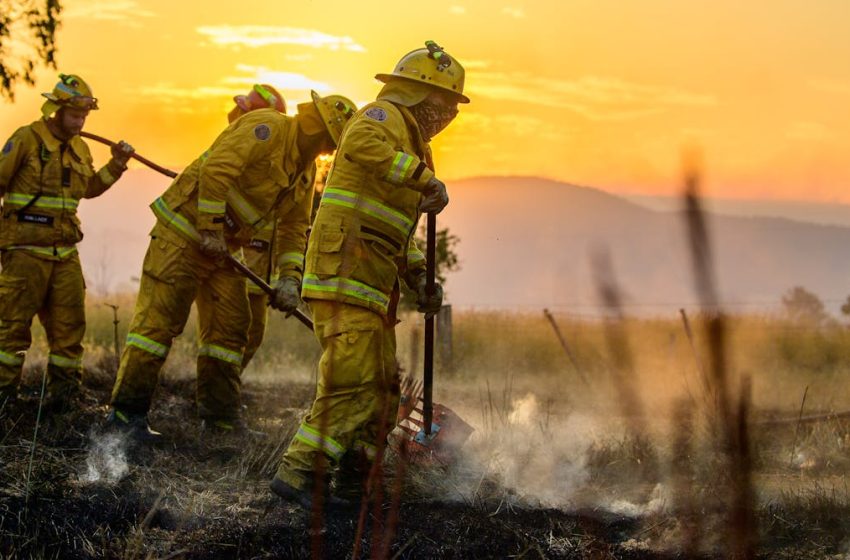
Here in Australia, we are also battling longer and hotter heatwaves and bushfire seasons. And scientists warn these extreme weather events will only become more common.
So what can we do?
The 2025 State of the Climate Report shows how much, and how quickly, we are changing our climate. And it is worryingly similar to previous reports, highlighting the need for urgent action.
The priority should be decreasing our emissions. This would slow down global warming, which will only continue if we keep the status quo. Some countries are already decarbonising rapidly, in part through transitioning to renewable electricity supplies. Others, including Australia, need to move much faster to reduce emissions.
Crucially, we must also meet our net zero targets. In Australia, as in many other countries, we are aiming to reach net zero by 2050. The sooner we reach net zero, the more likely we are to avoid harmful climate change impacts in future. To achieve net zero, we need to significantly reduce our emissions while also increasing how much carbon we remove from the atmosphere.
Even if we meet our net zero targets, climate change will not magically disappear. However, by turning away from fossil fuels and cutting our greenhouse gas emissions now, we may spare future generations from its worst effects. That’s the least we can do.
First Appeared on
Source link






