


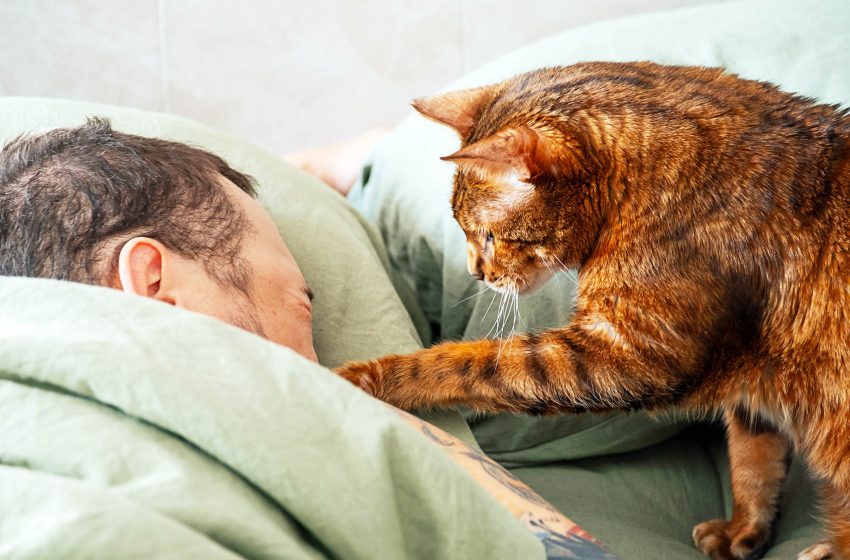
Infected cats spread fungus to humans and other animals
Researchers have documented the arrival of Sporothrix brasiliensis, a fungus that causes skin infections. It was identified in Uruguay after confirming cat-linked infections in people, pets, and local animals.
That finding recasts a single alarming case as evidence that a harder-to-control fungal threat has gained a new foothold in South America.
Cats and Sporothrix brasiliensis
Across Maldonado and Rocha, departments on Uruguay’s southeastern coast, an Institute of Hygiene notice documented the fungus in cats, other pets, and people.
From that evidence, Elisa Cabeza at the Universidad de la Republica (Udelar) tied those cases to Sporothrix brasiliensis.
Cabeza’s team found sick cats in both departments with no tie to that first adopted kitten, hinting that the fungus was moving locally.
That changed the threat from a single household problem into a harder question about why cats spread this fungal species so efficiently.
Why cats amplify Sporothrix brasiliensis
Open sores on infected cats carry large amounts of the fungus, especially around the nose, face, mouth, and paws.
When claws, teeth, or wound fluid break human skin, the fungus lands directly in tissue and starts growing.
A recent review noted that cats can transfer large numbers of yeast-like cells during scratches, bites, and contact with exudates.
Because street cats get infected, fight, and roam widely, they can keep passing the fungus between neighborhoods before anyone notices.
A body-heat switch
Outside a body, the fungus grows as branching threads, but body heat pushes it into a compact yeast form.
That physical change matters because the smaller form settles into damaged skin more easily and multiplies inside living tissue.
Researchers call this dimorphism, a temperature-driven switch between two body plans, and it helps the species survive indoors and outdoors.
Such flexibility is one reason the organism can persist in the environment, then keep infecting mammals once it finds them.
Sporothrix brasiliensis symptoms
In people, sporotrichosis – a skin infection that often follows a scratch – usually starts as a red bump that breaks open.
Soon, more bumps can appear in a line as the fungus moves through nearby drainage channels under the skin.
Cats often show stubborn wounds, crusts and hair loss, especially on the face and head. They may also sometimes present with red, draining eyes.
Rarely, the illness spreads beyond skin and drainage channels, which is why early lesions matter more than their appearance may suggest.
How doctors confirm the cat fungus
Doctors usually confirm the infection by examining material from a sore under the microscope or growing the fungus in culture.
That matters because the sores often get mistaken for bacterial infections, leaving patients on antibiotics that do nothing.
“The infection is curable,” said Dr. Cabeza. Common antifungal drugs can work, but treatment often lasts weeks or months, and cats are much harder to manage.
Who faces trouble
Young children, older adults, and people with weakened immunity face the highest odds of severe disease once the fungus gets in.
An official report says rare cases can reach joints, lungs, or the brain’s lining and become much harder to treat.
Udelar investigators also warned that this species can hit children under two and older adults especially hard.
That makes a missed scratch or a delayed diagnosis more serious than the small first lesion suggests.
Following the cat fungus trail
Across the border in Argentina, a 2024 report linked two human cases to a shared source after contact with sick cats.
“This has resulted in a large and progressive outbreak spreading within Brazil and several adjacent countries in South America,” the World Health Organization stated.
That fact sheet says affected areas in South America have reported more than 11,000 human cases during the past decade.
Regional movement of cats, legal or informal, now matters because one sick animal can carry a successful strain of fungus across borders.
Uruguay’s old pattern
Before this alert, Uruguay mostly saw sporotrichosis after contact with soil, plants, or armadillos rather than cats.
A Udelar review found 157 diagnosed cases across 38 years, with 128 linked to armadillo scratches during hunting.
That older pattern helps explain why the new, cat-borne route drew such concern from clinicians and veterinarians.
It means the country is not just seeing more of the same disease, but a different way of spreading it.
Control gets harder
Street cats make control difficult because many never get diagnosed, treated, or kept indoors while their wounds are still active.
A study detected the fungus in droplets expelled when infected cats sneezed, widening concern beyond scratches and bites.
Public health teams therefore need animal care, medical care, and neighborhood reporting to work in lockstep.
Without that combined response, each untreated animal can keep the outbreak alive long after the first human case heals.
What this changes
Uruguay’s detection shows that a fungus once tied mostly to Brazilian cat outbreaks now has firmer footholds across southern South America.
Fast diagnosis, treatment for pets and people, and better control of stray cats will decide whether these warnings stay local or spread further.
The study is published in Medical Mycology Case Reports.
—–
Like what you read? Subscribe to our newsletter for engaging articles, exclusive content, and the latest updates.
Check us out on EarthSnap, a free app brought to you by Eric Ralls and Earth.com.
—–
First Appeared on
Source link






