


NBA players union says 65-game rule for awards ‘must be abolished or reformed’
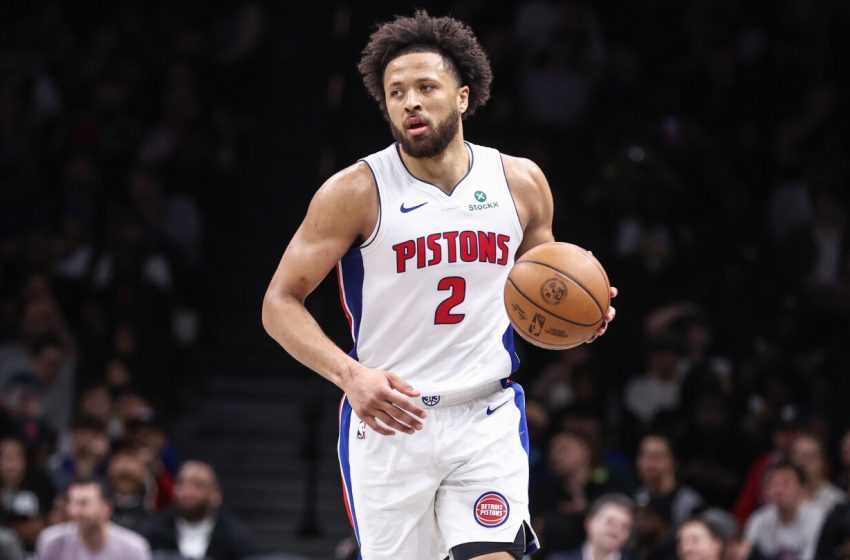
Cade Cunningham appeared on track for a top-five finish in MVP voting (he was third in the last ESPN straw poll) and a First Team All-NBA nod.
Then he suffered a collapsed lung diving for a loose ball last week. There is no timetable for his return, but there is a chance he will miss the rest of the regular season, or at least enough games that he will not meet the NBA’s 65-game threshold to qualify for postseason awards. Cunningham would have to play in five more to qualify.
That led to this statement today from the NBPA, the NBA’s players’ union:
“Cade Cunningham’s potential ineligibility for postseason awards after a career-defining season is a clear indictment of the 65-game rule and yet another example of why it must be abolished or reformed to create an exception for significant injuries. Since its implementation, far too many deserving players have been unfairly disqualified from end-of-season honors by this arbitrary and overly rigid quota.”
Cunningham’s agent, Jeff Schwartz of Excel Sports, gave this statement to ESPN’s Shams Charania.
“Cade has delivered a first-team All-NBA season. If he falls just short of an arbitrary games-played threshold due to legitimate injury, it should not disqualify him from recognition he has clearly earned over the course of the season. The league should be rewarding excellence, not enforcing rigid cutoffs that ignore context. An exception needs to be made.”
Cunningham is not alone. A few weeks ago, we were having the same conversations and concerns about Nikola Jokic and Victor Wembanyama returning from injuries in time to meet the threshold — both did, but can’t miss many more games due to injury. Anthony Edwards remains out with a knee injury but needs to play in seven of Minnesota’s 10 games to qualify.
The 65-game rule was put in place to discourage load management of star players, and it used the end-of-season awards as leverage. Those awards — making All-NBA or winning MVP or Defensive Player of the Year — are criteria to get a larger “Rose Rule” or “Super Max” extension for players with fewer than 10 seasons in the league. That has led to complaints from players that they have risked their health to return early to ensure they qualify for awards.
The thing is, media members who vote for awards already took games played into account. To use Cunningham as an example, if he does not return to play this season, missing all those games may have knocked him off First Team All-NBA but his impact on the Pistons and their season — where they are almost certain to be the No. 1 seed in the East — meant he deserved a second or third-team spot. That discretion has been taken out of voters’ hands.
This is going to be an offseason discussion when the league and its owners start talking about a number of things, including changing the rules around tanking (a pet issue of NBA Commissioner Adam Silver).
First Appeared on
Source link






