



If Humans Vanished Tomorrow, Scientists Say This Animal Could Secretly Take Over the Planet
If humans were to disappear, life on Earth would continue, but the balance of power among species would shift profoundly. The question is not simply which species would survive, but which, if any, could rise to a position of dominance.
For tens of thousands of years, humans have reshaped ecosystems and driven numerous species to extinction. Based on reports from several media outlets, the arrival of humans in Australia around 47,000 years ago coincided with the disappearance of large marsupials such as Diprotodon.
This long-standing influence has left a significant ecological void. Filling it would require more than resilience. It would demand intelligence, coordination, and the capacity to modify the environment in sustained ways.
A Brain That Can’t Go Further?
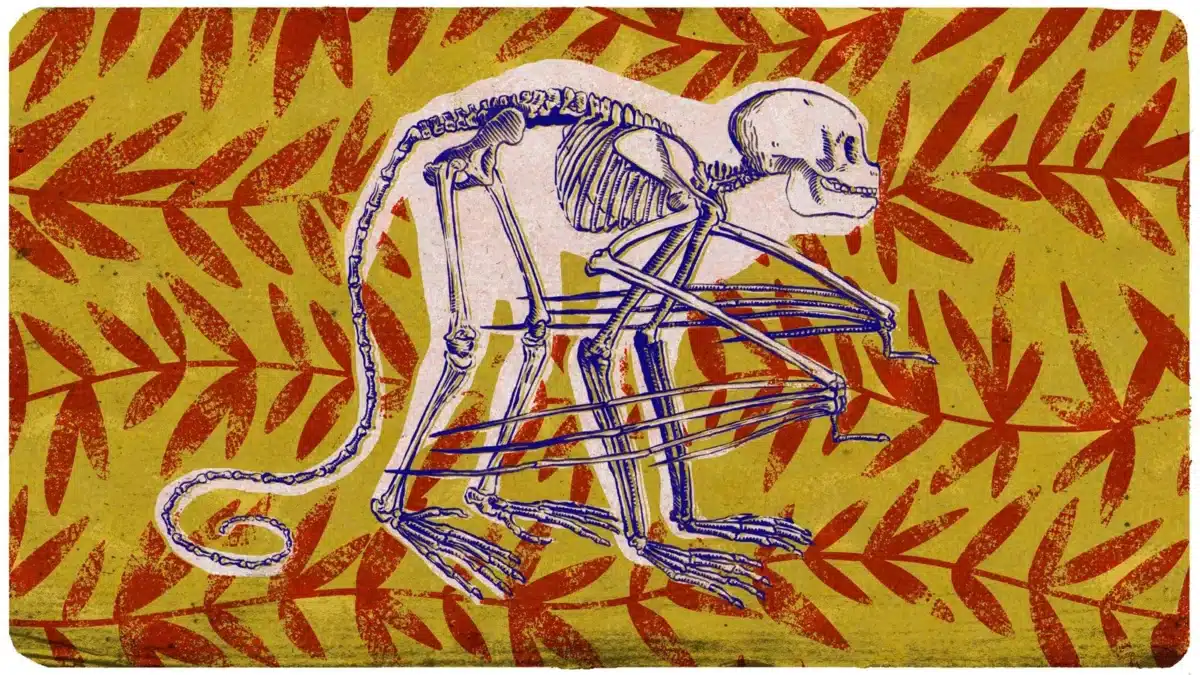
Chimpanzees and gorillas are often considered the closest candidates to humans. They possess advanced cognitive abilities and opposable thumbs, enabling them to manipulate objects and use basic tools.Yet their communication remains relatively limited, relying on vocalizations and gestures rather than structured language. Professor Tim Coulson from the University of Oxford also explained that:
“Primates depend heavily on strong social networks.” He added, “they engage in activities like hunting, grooming, and defense, which are essential for their survival. These constraints might help them struggle to adjust to a world undergoing dramatic ecological shifts.”
Marine mammals present a different constraint. Dolphins and whales exhibit high levels of intelligence and social complexity. Still, as noted in the same source, their anatomy prevents them from interacting effectively with their environment. The absence of dexterous limbs makes construction or tool development extremely difficult.
Why Some Species Adapt Without Ever Dominating
Certain species would likely benefit immediately from the disappearance of humans. Brown rats, already present on nearly every continent except Antarctica, are highly adaptable and reproduce rapidly, allowing their populations to expand quickly.
However, according to James Fair, rats lack abstract reasoning and complex communication. They are also prey to various predators, which would limit their long-term expansion.
Feral cats and dogs would also thrive in the short term. In many urban environments, they already form stable populations without direct human support. Their numbers would likely increase, though they would eventually face pressure from larger predators such as wolves or leopards.
Could Birds Be the Next Intelligent Dominant Species?
As reported by BBC Future, among the most compelling candidates are certain bird species. Corvids, including crows, ravens, and magpies, display notable problem-solving abilities. In Japan, carrion crows have been observed dropping nuts onto roads so that passing vehicles crack them open, and retrieving them when traffic stops.
As explained in the article, New Caledonian crows are capable of crafting and selecting tools, demonstrating an understanding of cause-and-effect relationships. Such behaviors indicate a level of cognition comparable to that of great apes. Parrots offer further evidence. Research conducted by Irene Pepperberg showed that an African grey parrot could understand and use elements of language in meaningful ways.
“ In a warming planet, endothermic animals [those that generate their own heat] may have a hard time, so birds in warmer climates may lose contour feathers to prevent overheating, and mammals may lose most fur,” explained Patricia Brennan, an evolutionary biologist based at Mount Holyoke College in Massachusetts
No existing species really has everything it takes to replace humans. If we disappeared, ecosystems would reorganize, but there’s no guarantee a new dominant species would emerge.
First Appeared on
Source link






