


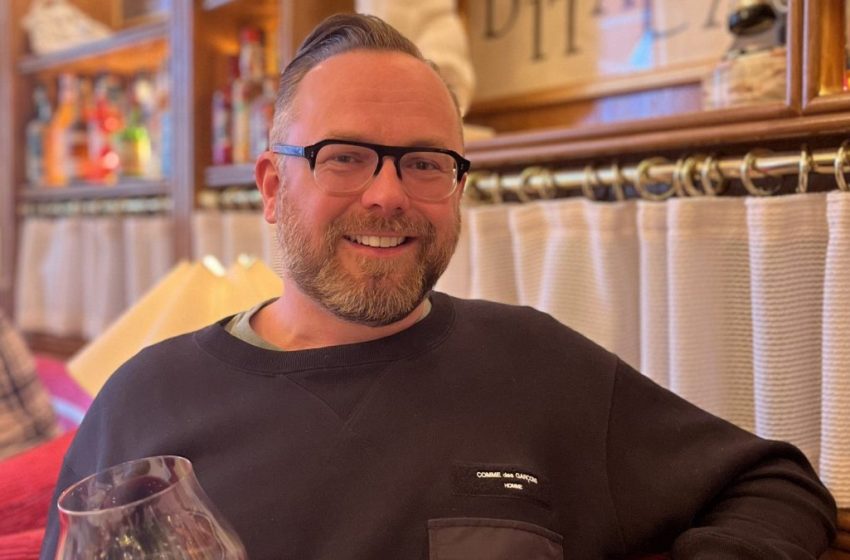
At 48, I was told I was prediabetic
The idea that fitness should slow down in mid-life might be tempting – but it is also one of the biggest myths. Muscle and strength are just as important in your forties, fifties and sixties as they are in your thirties, when we hit peak muscle mass. Without regular maintenance, the rate of muscle loss and bone weakening will continue to decline, affecting metabolism, heart health and disease risk, and causing a likelihood of injury.
In a new series, we meet mid-lifers who have achieved inspirational levels of fitness to talk about how they did it. Ricky Davison, 48, is a hospitality PR specialist who lives in London with his partner of 20 years, James.
I was never hugely conscious of my weight. I was quite slim in my teens and twenties, and because of that, I was never very careful about what I was eating. I ate quite a lot of junk food and takeaways and would often overeat. I worked in hospitality, which meant that I was eating in restaurants a lot. There was a lot of socialising, drinking, partying, and I never really had the chance to stop and think about whether I was treating my body in a healthy way. I was enjoying that lifestyle so much that, although there were a few doubts at the back of my mind, I thought I could get away with it. Gradually, without really thinking about it, I put more and more weight on.
I did become conscious that I was getting larger and that my belly was getting bigger, but I just bought XL T-shirts to cover up on holidays and saw weight gain as a natural part of getting older. Looking back at photos of myself now, I can’t believe I didn’t realise how big I had become. It’s actually quite shocking to see.
I did go swimming a couple of times a week and I would walk instead of taking public transport, but there was no meaningful or regimented exercise.
I read that in your forties it’s increasingly difficult to shift the weight, so I almost became resigned to it and used that as a bit of an excuse. I told myself that getting older meant getting heavier, and that it was a losing battle. There wasn’t much I could do about it. I enjoyed rich foods and wine, and it felt like changing would mean depriving myself.
My partner is more of a homebody than me. He knew I had a big appetite, so he would often cook bigger portions for me. At the time, we were eating pizzas, frozen oven chips, and similar foods several times a week. We led busy lives; not putting much thought into healthy meal planning. We often ate food we could shove in the oven to make life easier, and those unhealthy eating and drinking habits became very ingrained. I was drinking at least a bottle of wine a night, five nights a week.
The turning point came through what I call a happy accident in early 2023. I tripped on a loose paving stone and ended up with a nasty wound on my knee, which, over the following weeks, didn’t heal properly. When I researched online why that might be, the first thing that appeared was that it could be a sign of diabetes, so I went to the doctor for a blood test. The results showed high blood sugar and pre-diabetes and the GP told me that if I continued with my lifestyle, I would develop type 2 diabetes.
I had really mixed emotions when I heard that news. I was upset that I had a serious health condition, and I was angry with myself for getting into that position. But I was also upset at the thought of having to change my diet. I didn’t like the idea that I wouldn’t be able to eat in the restaurants I loved, or enjoy the food I liked, which felt like a big blow because restaurants were my life. I love my work and feel very passionate about the world of hospitality.
I was also really shocked. I didn’t know if it would be possible to reverse the condition, and at first I was resigned to the idea that I would eventually become diabetic, which made me feel very concerned and worried. But I did some research and found it might actually be possible to reverse it.
So I made some big changes. I started swimming every day. I got a membership with Better Leisure, which has pools all over London, and started swimming with energy and enthusiasm, increasing from 15 lengths to 25.
I cut out potatoes, chips, white pasta, and most sugars. I cut right back on sweet treats, cakes and biscuits, which I had been eating every day and in quite large amounts. I’d easily get through most of a packet of biscuits or a large chocolate bar in one go.
These changes to my diet had the biggest impact. I really went hell for leather with it, because I was so keen to make the change and reverse the condition.
My friends and my partner James were very supportive. He is a great cook and he threw himself into becoming more creative in the kitchen. We cut right back on processed foods and made lots of switches to different wholegrains like bulgur wheat, using herbs and spices and stocks to make them tastier. We were still eating delicious food, just much more healthily. I still love red wine, but I started drinking much less of it. Now I have just a few glasses a week.
I assumed it would be very difficult to lose weight, but I was really surprised at how quickly the weight started dropping. I started getting compliments from people. I know it’s superficial, but that motivates me. I felt so proud of myself: I had put in the work and allowed myself to enjoy the compliments.
Within six months, I dropped from 14 and a half stone to around 11 stone. After that, I started allowing myself things like dark chocolate with 75 per cent cocoa, which has less sugar but still satisfies the sugar craving I sometimes have after meals.
When I went on holiday that summer, my clothes were suddenly huge on me. I ended up having to buy a whole new wardrobe in small and medium. I was happy to spend the money because it felt like progress.
When I was depriving myself of everything, it did feel miserable at times, so gradually I reintroduced some foods, like cheese. And I’ll have a couple of squares of 85 per cent cocoa dark chocolate, or a small biscuit or two to satisfy any sugar craving. Eventually, my weight settled at about 12 stone, which is where it is now.
I actually put off going back to the GP for another blood test, which I think was a typical male thing of putting my head in the sand, in case the news was bad after all that work. But a year later, I had a routine appointment. They did the blood tests again, and my blood sugar levels had returned completely to normal.
It was such a huge relief. I was elated, and it really encouraged me even more not to fall back into my old habits. I still swim every day. I absolutely love it because there are no distractions and no phone to look at. I usually go at the beginning of the day, which I use as my thinking time. I can still go to the restaurants I love and enjoy my work, but everything feels much more balanced.
Before, I often felt sluggish. Now I have much more energy and motivation to see people and do things. I feel like a completely different person. I honestly didn’t think that would be possible. I feel much happier and more positive, especially after the blood test results. Most importantly: this whole process wasn’t nearly as difficult as I had expected.
My day in food
I tend not to eat breakfast, but only because I never feel like eating in the morning.
For lunch, I’ll usually have a bowl of salad or vegetables, and lean meat.
Dinner is similar: plenty of protein like grilled fish, roast chicken or lean steak, along with vegetables and a wholegrain such as bulgur wheat or quinoa. I also use a lot of chillies.
I’ve never really been a big snacker because I enjoy proper meals so much. I also never liked sugary fizzy drinks. I drink lots of water and iced black coffee. I still enjoy red wine a few times a week.
First Appeared on
Source link






