


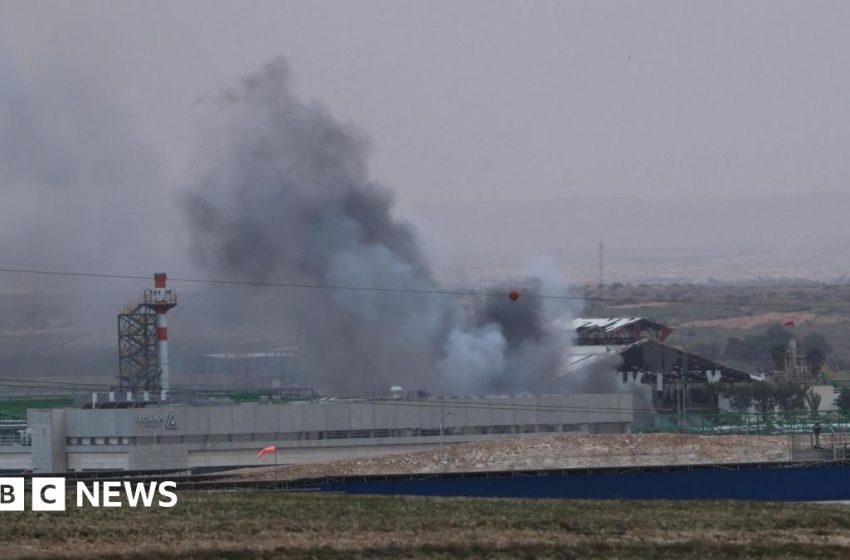
Oil price rises as Iran threatens to expand retaliatory strikes
Shipping had only recently returned to Red Sea route before Houthi threatspublished at 00:29 BST 30 March
Jonathan Josephs
BBC business reporter
The route through the Red Sea and Suez Canal that is being threatened by Yemen-based Houthis isn’t as important as it once was to global shipping.
It significantly reduces the cost and time for moving goods between where they are made in Asia and where they are sold in Europe.
Before December 2023 it carried approximately 12% of global trade, but then the major shipping companies stopped using it because of Houthi attacks linked to the Hamas-Israel conflict.
They had just started experimenting with using it again when the Iran war broke out, and swiftly abandoned it again.
It means the likes of Maersk and Hapag-Lloyd are sticking to the longer, safer route around the southern tip of Africa.
Those extra costs are ultimately being passed on to consumers, and the longer this conflict carries on, the more that bill will come to.
Whilst some ships, particularly those of smaller companies, may continue to try and navigate the Red Sea route, as Maersk’s CEO Vincent Clerc told me recently: “It’s very hard for us to put our colleagues and our ships in harm’s way and risk having an attack be successful and create damage or loss of life in the process”.
First Appeared on
Source link






