


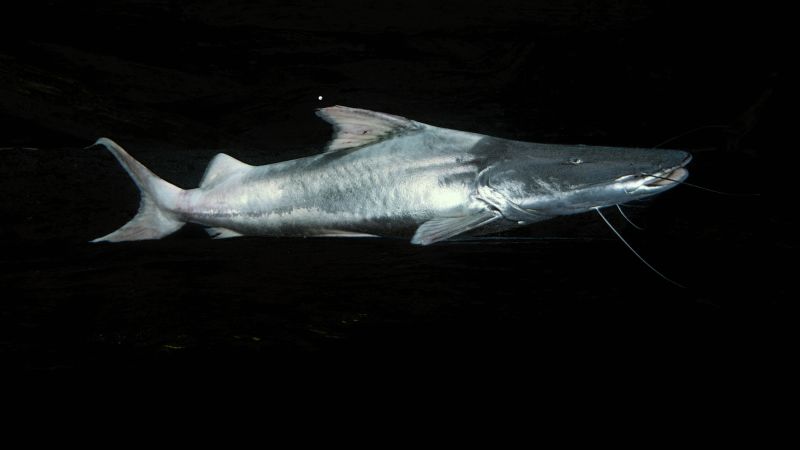
Amazon nations are uniting to save the dorado catfish, which has the world’s longest freshwater migration
EDITOR’S NOTE: Call to Earth is a CNN editorial series committed to reporting on the environmental challenges facing our planet, together with the solutions. Rolex’s Perpetual Planet Initiative has partnered with CNN to drive awareness and education around key sustainability issues and to inspire positive action.
When the annual rains return to the Amazon, the murky river swells and quickens. For the dorado catfish, that rising tide is a millennia-old cue: it’s time for a continent-spanning homeward voyage.
Its 7,000-mile round trip is the longest freshwater migration on Earth — and one of the most endangered.
Scientists only uncovered the full extent of its odyssey in recent years. The dorado, part of the “Goliath” catfish family and also known as the gilded catfish, spawns in the Amazon River’s headwaters in the Andes. The larvae drift thousands of miles downstream to the estuary, where the river meets the Atlantic Ocean. The nutrient-rich, brackish water is the perfect nursery for the juvenile dorado to feed and grow — up to six feet long and 200 pounds — before it makes the 1-2 year journey back to the foothills of the Andes to lay its own eggs, and begin the cycle again.
But the same route the dorado has followed for millennia is now being choked by hydropower dams and river fragmentation, blocking the fish from reaching its breeding sites and triggering steep population declines.
A new international action plan, proposed by Brazil at the UN-backed Convention for the Conservation of Migratory Species (CMS) and signed yesterday aims to reverse that trend, uniting six countries in an effort to keep the river connected and give the dorado — and six other species of migratory Goliath catfish — a chance to complete their journey home.
“(The dorado) is incredibly important to people living all along the Amazon River,” says Dr. Zeb Hogan, a biology professor at the University of Nevada and councilor for freshwater fish for CMS.
“We need to get everyone together, to try to work together to figure out how to protect these incredible animals.”
Migratory species are difficult to protect because they cross international borders; the dorado is found across nine countries in South America.
What happens in one section of the river ripples across the whole system: in 2019, studies found that dorado numbers in Bolivia, one of the locations where the catfish spawns, dropped by 80% in 15 years after two dams were built downstream in Brazil.
They risk disappearing from this upstream section of river entirely, but it also has a knock-on effect downstream: the dorado is an apex predator, keeping smaller species populations in check and the entire river ecosystem in balance.
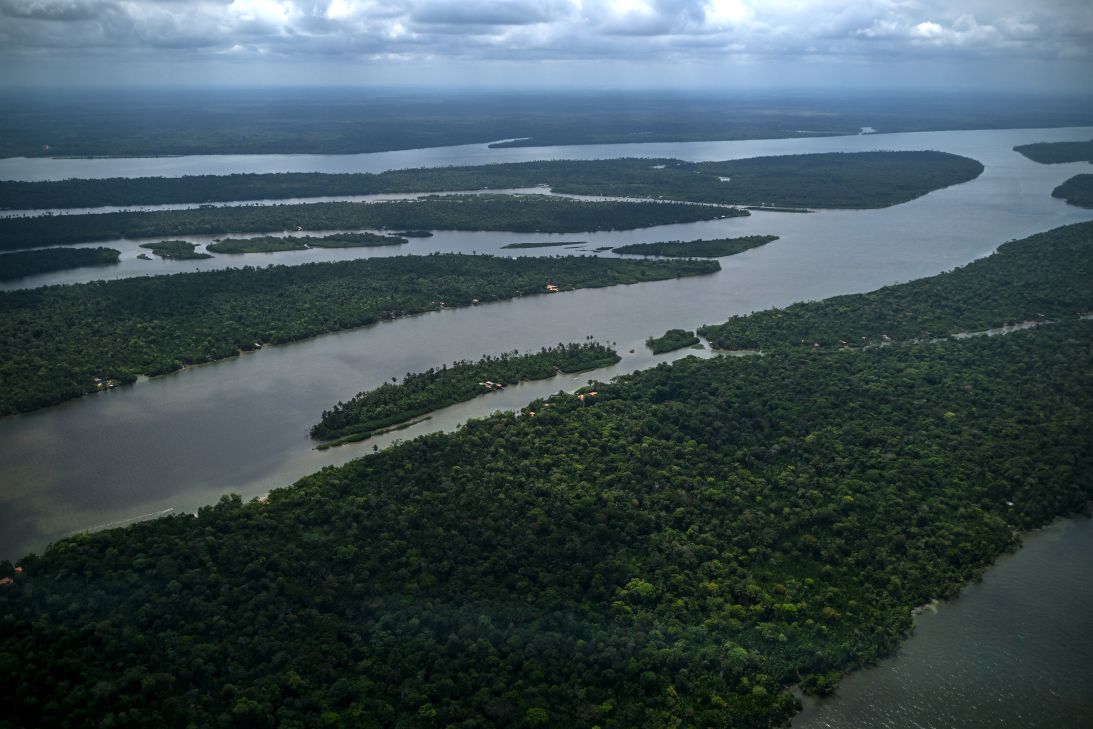
More careful planning for future hydropower projects, including assessments of their impact on migratory fish from the outset, could help reduce harm and improve site selection, says Hogan.
For existing dams, interventions like fish ladders — a structure or tunnel that allows migrating fish to get around or through the dam — or the removal of old or disused dams can help unblock migration routes, Hogan says: “Scientists have been surprised how fast these migratory fish can come back when they’re given a chance to move through the system.”
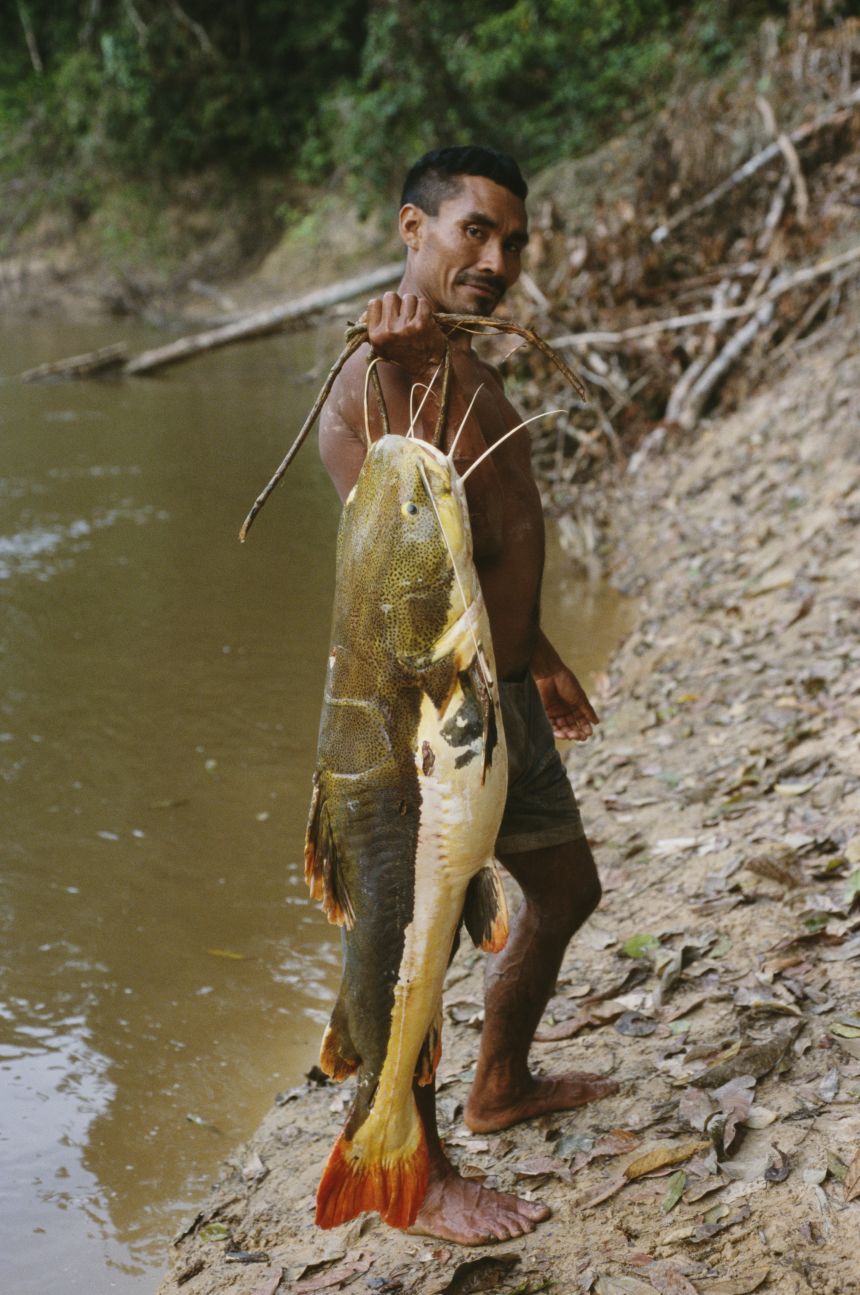
Migratory fish like the dorado are also essential to local food security, economies and cultural heritage.
“Species such as dourada, piramutaba, and other catfish are highly valued both for their size and for their food quality,” Dino Delgado, engagement and policy lead for Wildlife Conservation Society (WCS) and Amazon Waters, told CNN in a message.
Around 47 million people live in the Amazon region, and its fisheries are heavily reliant on migratory species, which account for 93% of catch and generate $436 million annually, according to CMS.
In addition to hydropower dams, fish in the Amazon face added pressures from mercury contamination from mining, and overfishing.
In an open letter to the delegation at CMS, fishers from the Madeira basin — one of the most interrupted sections of river in the Amazon due to two large dams in Porto Velho — emphasized the need for “coordinated and urgent action” from governments, adding: “International efforts will only succeed if they go hand in hand with artisanal fishers, Indigenous peoples, and the communities that inhabit the Amazon.”
Delgado, who has worked closely on the action plan’s development, says with the plan approved, important work will begin — from collating local scientific and Indigenous knowledge about critical habitats, to regional efforts to standardize data collection.
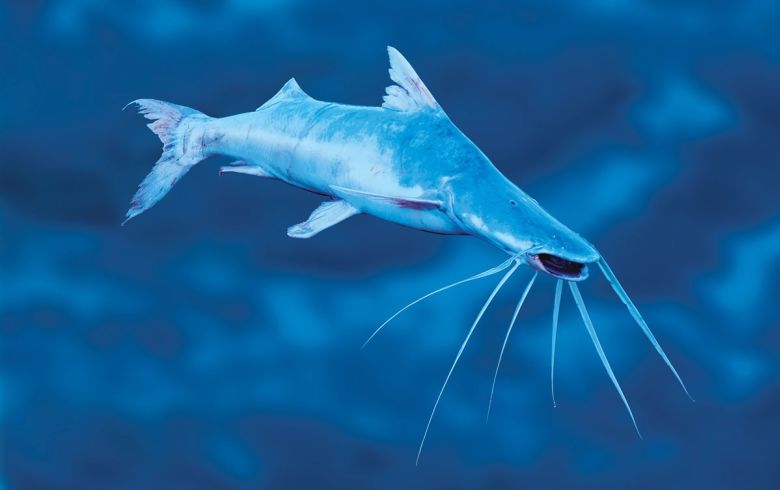
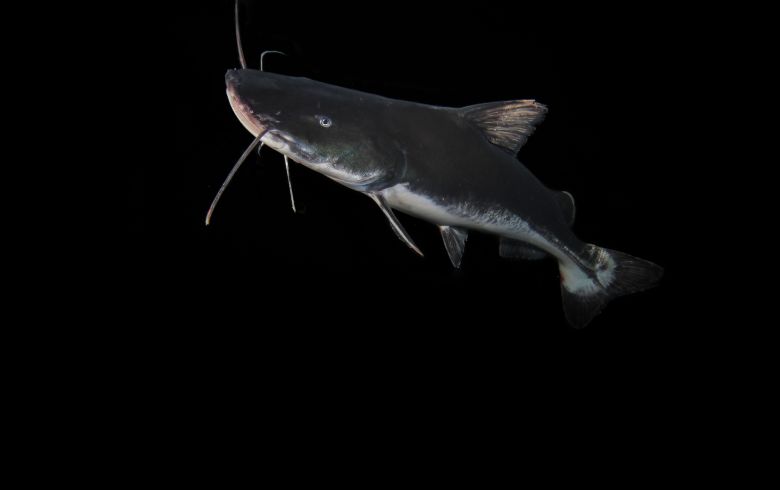
The collaboration between the six Amazonian nations is a “milestone” for biodiversity conservation that will strengthen scientific knowledge and harmonize policies and regulations across the region, Guillermo Estupiñán, wetlands and aquatic resources specialist at WCS Brazil, told CNN in an email.
The dorado — along with the laulau “Goliath” catfish, which can grow up to 12 feet long and weigh 400 pounds — was added to the CMS protection list in 2024 — a move which laid the foundation for the now-approved action plan, says Amy Fraenkel, the executive secretary for CMS.
“For other species, there are these kinds of cooperative agreements under CMS,” says Fraenkel, pointing to the Central Asian mammal initiative as a successful model. “But we haven’t [previously] done that for freshwater fish, so that’s why this example is so powerful.”
The dorado’s struggle reflects a global crisis. A CMS report, released at the organization’s convention in Brazil last week, analyzed data on 15,000 species, identifying 325 species of migratory freshwater fish in need of international protection.
Asia, with 205 species listed, was flagged as a hotspot for collapsing migrations, particularly in the Mekong Delta where one of the world’s largest freshwater fish, the 300-kilogram Mekong giant catfish, undertakes migrations over hundreds of kilometers.
Hogan likens the migration to zebras and wildebeest crossing the Serengeti, in Tanzania. “You have an equal amount of biomass of living creatures moving underneath the water, and you wouldn’t know; you can’t see it,” he says. However, none of the Lower Mekong nations are party to the treaty, a gap Hogan sees as “a longer-term opportunity.”
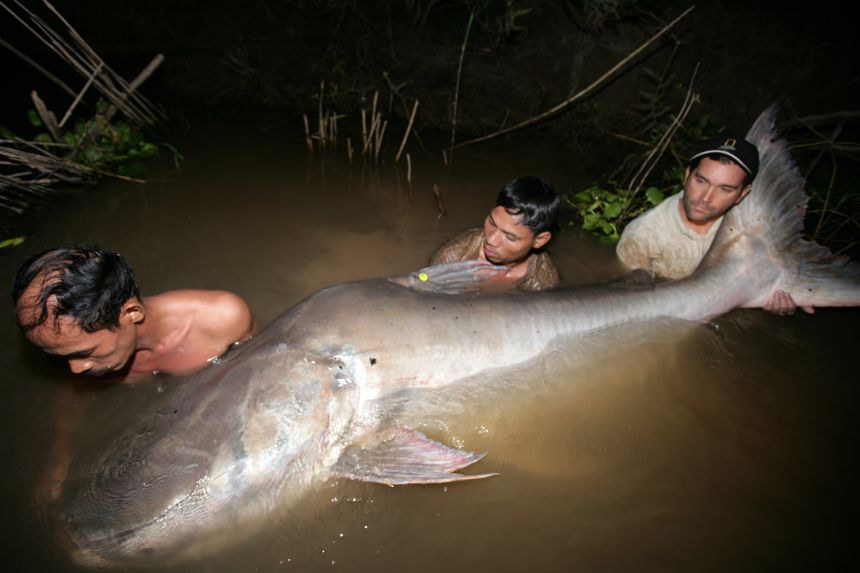
Globally, populations of migratory freshwater fish have declined 81% since 1970. Fsh are often overlooked in conservation because they’re viewed primarily as food, rather than as a “biodiversity issue,” says Hogan, adding that rivers are often managed as a local resource, despite the fact that 47% of the Earth’s land is covered by transboundary water. According to the UN, around 70% of UN member states sharing waterways between two or more countries lack comprehensive cooperative agreements to manage them, leaving aquatic life vulnerable inconsistent protection.
“Rivers don’t recognize borders — and neither do the fish that depend on them,” said Michele Thieme, vice president and deputy lead of freshwater for WWF-US, in a press statement. “Rivers need to be managed as connected systems, with coordination across borders, and investments in basin-wide solutions now before these migrations are lost forever.”
Back in the Amazon Basin — home to at least 2,700 freshwater fish species, more than anywhere else in the world — the research identified 20 migratory fish that meet CMS criteria for protection.
Despite the “alarming” declines, Hogan sees the report’s list of species as “325 opportunities to work together,” and the Amazon’s catfish action plan gives him renewed reason to cautiously hope change is on the horizon.
“This is a model that we didn’t have 10 years ago for freshwater fish. Now we have a model that other countries can follow,” he adds.
First Appeared on
Source link






