


Scientists Drilled a Massive Hole Beneath West Antarctic Ice and Pulled 228 Meters of Mud. The Fossils Inside Should Not Exist
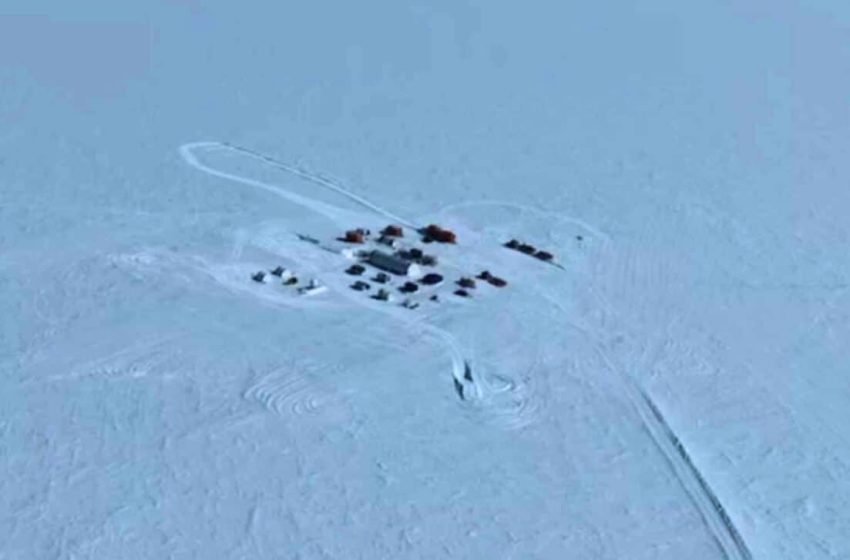
More than 700 kilometers from the nearest Antarctic station, a team of 29 scientists, drillers, and engineers spent nearly ten weeks living in tents on the snow. They were there to do something no one had done before: drill more than 200 meters into bedrock buried beneath half a kilometer of ice, in one of the most remote field camps ever established on the continent.
On their third attempt, they succeeded.
The team from the SWAIS2C project, short for Sensitivity of the West Antarctic Ice Sheet to 2°C, pulled up a 228-meter cylinder of mud and rock from under the Crary Ice Rise in West Antarctica. It is the deepest sediment core ever recovered from beneath an Antarctic ice sheet. And the layers inside, some of them deposited when the planet was significantly warmer than it is today, are already challenging what scientists thought they knew about the stability of the West Antarctic Ice Sheet.
A Core That Captures Open Ocean Where Ice Now Stands
To reach the sediment, the team first used a hot-water drill to melt a hole through 523 meters of ice. Then they lowered more than 1,300 meters of pipe down the hole and began extracting core sections up to three meters at a time.
What they found was not a uniform layer of glacial debris. The sediment varied dramatically. Some sections were coarse gravel with larger rocks, the kind of material dropped by grounded ice. Other sections were fine mud containing shell fragments and the remains of marine organisms that require light to survive.
That second category is what caught the scientists’ attention.
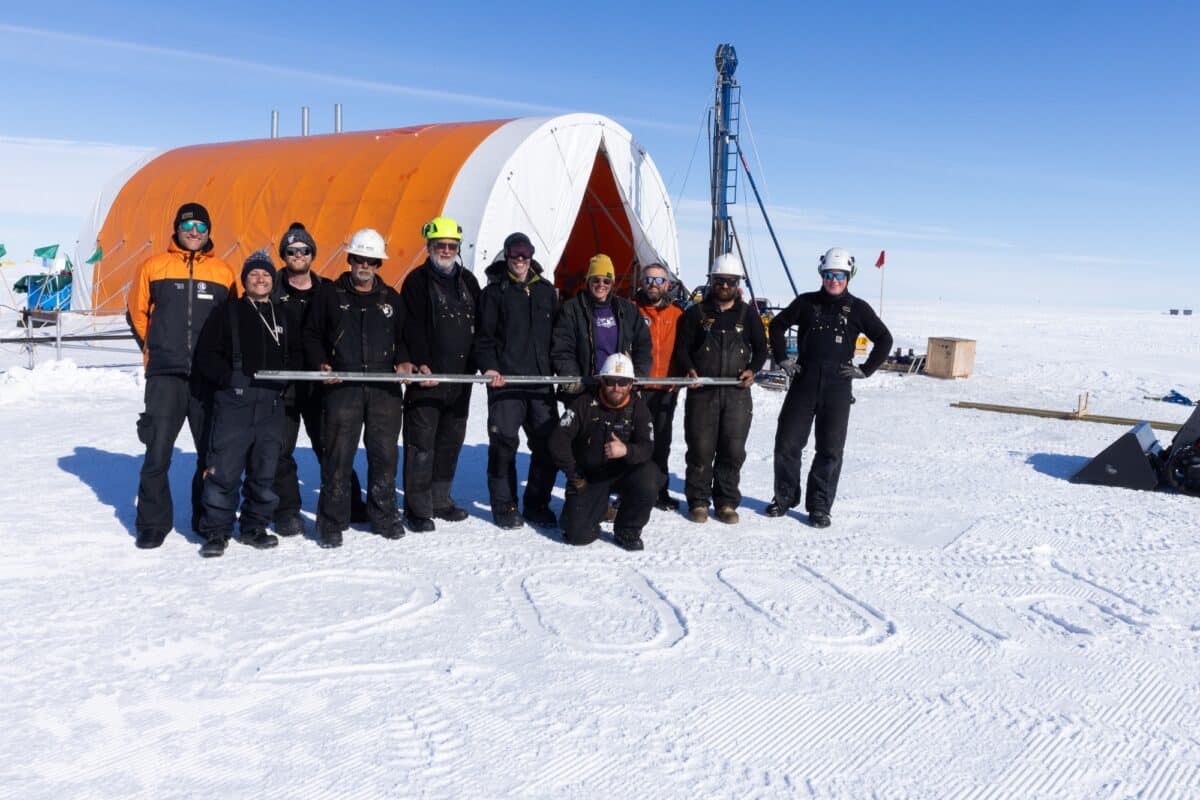
“We saw a lot of variability,” said Dr. Molly Patterson, a co-chief scientist on the project from Binghamton University, in a statement released by Antarctica New Zealand. “Some of the sediment was typical of deposits that occur under an ice sheet like we have at Crary Ice Rise today. But we also saw material that’s more typical of an open ocean, an ice shelf floating over ocean, or an ice-shelf margin with icebergs calving off.”
The presence of organisms that need light means that, at some point in the past, there was no ice above this site. Open ocean conditions existed where now there is a sheet of ice more than 500 meters thick.
A 23-Million-Year Timeline Under the Ice
Preliminary dating conducted in the field, based on tiny marine fossils found in the sediment, suggests the core spans roughly the past 23 million years. That includes periods when global average temperatures were more than 2°C above pre-industrial levels. For climate scientists, that timing is critical.
The West Antarctic Ice Sheet holds enough ice to raise global sea levels by four to five meters, or 13 to 16 feet, if it were to melt completely. Satellite data from NASA’s GRACE and GRACE-FO missions, covering 2002 to 2025, shows Antarctica has been losing about 135 gigatons of ice per year over that period, with the largest losses concentrated in West Antarctica around the Pine Island and Thwaites glaciers. A visualization from NASA’s Scientific Visualization Studio tracks this ice loss across the continent.
But the big uncertainty has been how the ice sheet responds to sustained warming. Until now, models relied largely on geological records taken from the coast or from offshore, not from directly beneath the ice sheet itself.
“This record will give us critical insights about how the West Antarctic Ice Sheet and Ross Ice Shelf is likely to respond to temperatures above 2°C,” said Dr. Huw Horgan, a co-chief scientist from Te Herenga Waka, Victoria University of Wellington, and ETH Zurich.
Why the Location Matters More than the Depth
The Crary Ice Rise site was chosen deliberately. Unlike other parts of the ice sheet where warm ocean water can reach the underside of floating ice shelves, Crary Ice Rise sits with ice resting directly on bedrock. That makes it a sensitive indicator: when ice retreats from this location, it signals a fundamental change in the stability of the surrounding ice sheet.
The core’s alternating layers, coarse glacial debris interbedded with fine marine mud, suggest the ice margin has advanced and retreated multiple times over millions of years. Each layer of open-ocean sediment represents a period when the ice sheet had pulled back enough to allow seawater and sunlight to reach the site.
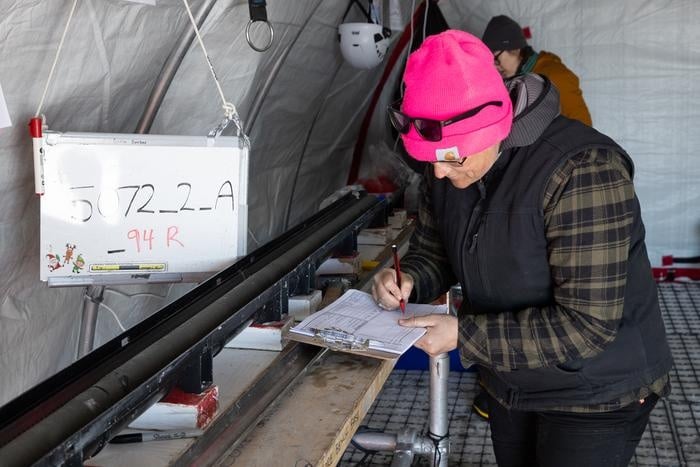
“This new record provides sequences of environmental conditions through time, and ground truths the presence of open ocean in this region,” Patterson said. “In addition to pinning down the time when this occurred and the corresponding global temperature, analysis will help us quantify the environmental factors that drove the ice sheet retreat, such as determining what the ocean temperatures were at that time.”
What Comes Next for the Antarctic Frontier
The core has been transported from the deep-field camp to Scott Base and will soon be shipped to New Zealand. From there, samples will be distributed to the more than 120 scientists from 50 research organizations across 10 countries who are collaborating on the SWAIS2C project.
In labs around the world, researchers will apply a range of dating techniques to refine the core’s age and analyze the sediment for additional clues, including ocean temperatures, ice-rafting patterns, and the precise timing of past ice-sheet collapses.
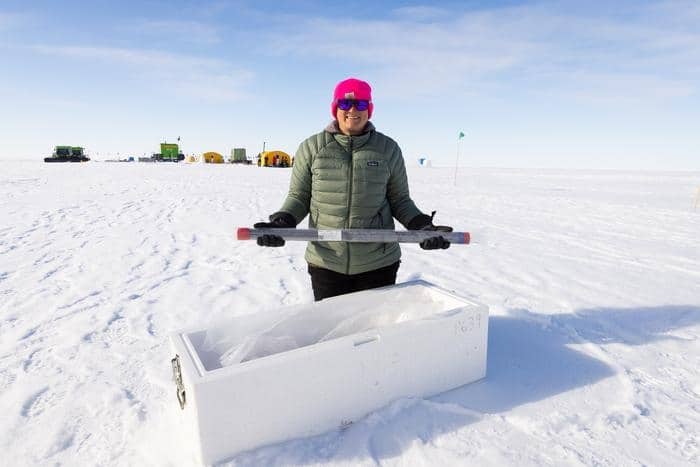
The success at Crary Ice Rise came after two previous drilling attempts by the SWAIS2C team were thwarted by technical problems, a reminder that no one had ever attempted this kind of deep-field drilling before. The previous longest sediment cores recovered from beneath an ice sheet were less than 10 meters.
“We exceeded our target of 200 m, and undertook this 700 km from the nearest base, this is Antarctic frontier science,” Patterson said.
For coastal communities, the work ultimately translates into better forecasts. Approximately 680 million people live in low-lying coastal areas. The sediment layers now being unpacked in laboratories will help sharpen computer models that project how much and how fast Antarctic ice will melt in a warming world.
First Appeared on
Source link






