


Should You Trim Your Nose Hair? Here’s What Dermatologists Say.
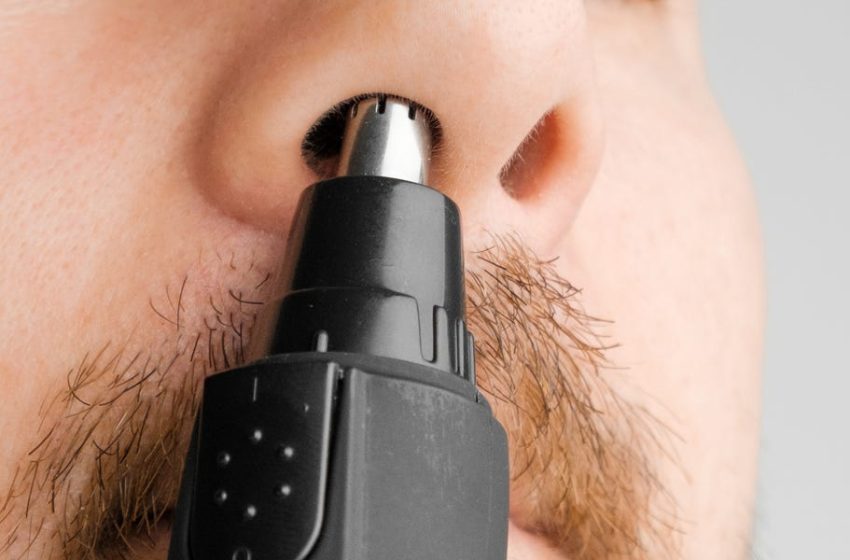
THERE’S A NATURAL impulse to think of nose hair the same way you think of Rob Schneider in any Adam Sandler flick: something you’d rather not see, but assume is part of the package now. The thing is, while these pesky hairs may feel similarly unnecessary, they actually serve a crucial function. Better yet, you can easily keep them out of the picture with the use of a nose hair trimmer, without losing any of the benefits.
Dermatologist Dr. Rina Weimann, MD, generally recommends nose hair trimming to her patients over the alternatives, like plucking or waxing, because these can lead to irritation and ingrown hairs. Not to mention, they eliminate the important function of nose hair by erasing them entirely. So if these unappealing hairs really matter, should you trim yours? Here’s what the pros say.
Why Do We Have Nose Hair?
Dermatologist Dr. Maral Kibarian Skelsey, MD, says the biggest misconception regarding nose hair is that it serves no purpose at all. Nose hair, or as the pros call it, nasal vibrissae, is actually quite crucial to your overall health. According to Dr. Weimann, nose hairs act as a first line of defense against infection, forming a protective barrier that helps trap harmful airborne particles, including viruses, bacteria, and common allergens like dust, pollen, and ragweed, before they enter the body. These hairs are also typically thicker and coarser, which makes them especially effective at filtering out debris, she says.
Still, as we know, when these hairs get out of control, it can be uncomfortable and look, er, unappetizing. However, when they go untouched, these hairs can cause some of the very issues they’re meant to protect against, among others. Excessive nasal hair can lead to irritation, itching, and clumping, which may trap debris and worsen allergy symptoms, says Dr. Weimann. When overgrown hairs can’t effectively filter particles, bacteria and viruses get caught in the moist nasal environment, where they can multiply and increase the risk of infection.
But it’s important to fight the urge to get rid of them entirely, as this will remove that first line of defense against debris, increasing the risk of infection, creating ingrown hairs, and potentially damaging the delicate nasal lining. When you trim your nose hair, you’re only removing what’s visible, but there will still be plenty of hair (why it’s important not to shove a trimmer far up your nose) within your nostrils to do its job. Also worth mentioning is that the idea that trimming hair will cause it to grow back thicker is a complete myth, according to Dr. Skelsey.
Who Should Trim Nose Hair?
There aren’t many people who wouldn’t benefit from nose hair trimming, though some may be especially in need. In general, older men, people with thick or dark hair, those frequently on camera, or anyone experiencing visible or uncomfortable overgrowth—those on medications like minoxidil will be uniquely susceptible—should make a point to trim their nose hair, says Dr. Skelsey. While hair may become coarser and more noticeable with age, it still serves an important filtering function, so the goal should be tidying, not complete removal, she says.
There are exceptions, of course. Men who are more prone to infection—such as those with diabetes, compromised immune systems, or on immunosuppressive medications—should be careful when trimming to avoid irritation or breaking the skin barrier, as even minor cuts can lead to more serious bacterial infections, says Dr. Weimann. But outside of that, it’s all fair game.
How to Trim Nose Hair
Trimming well enough for aesthetics but not so much that it harms the nose’s ability to act as a defense system can be a delicate dance. Dr. Skelsey recommends trimming only the hairs that stick out, leaving a few millimeters in place to maintain filtration, and avoiding removing hair deep inside the nose. Again, stick to trimming, not plucking or waxing. Most people should trim every one to four weeks, she adds, or whenever hair becomes visible or starts causing irritation. Always use clean hands and a clean device.
Look for a nose hair trimmer with rounded stainless steel blades and protective guards to help prevent cuts, says Dr. Weimann. Be sure to clean the device regularly with antibacterial soap or rubbing alcohol to reduce the risk of infection, and avoid over-trimming, which can cause irritation or small wounds. If irritation occurs, Dr. Weimann recommends applying a thick ointment, like Vaseline or Aquaphor, to soothe and protect the area.
Best Nose Hair Trimmers
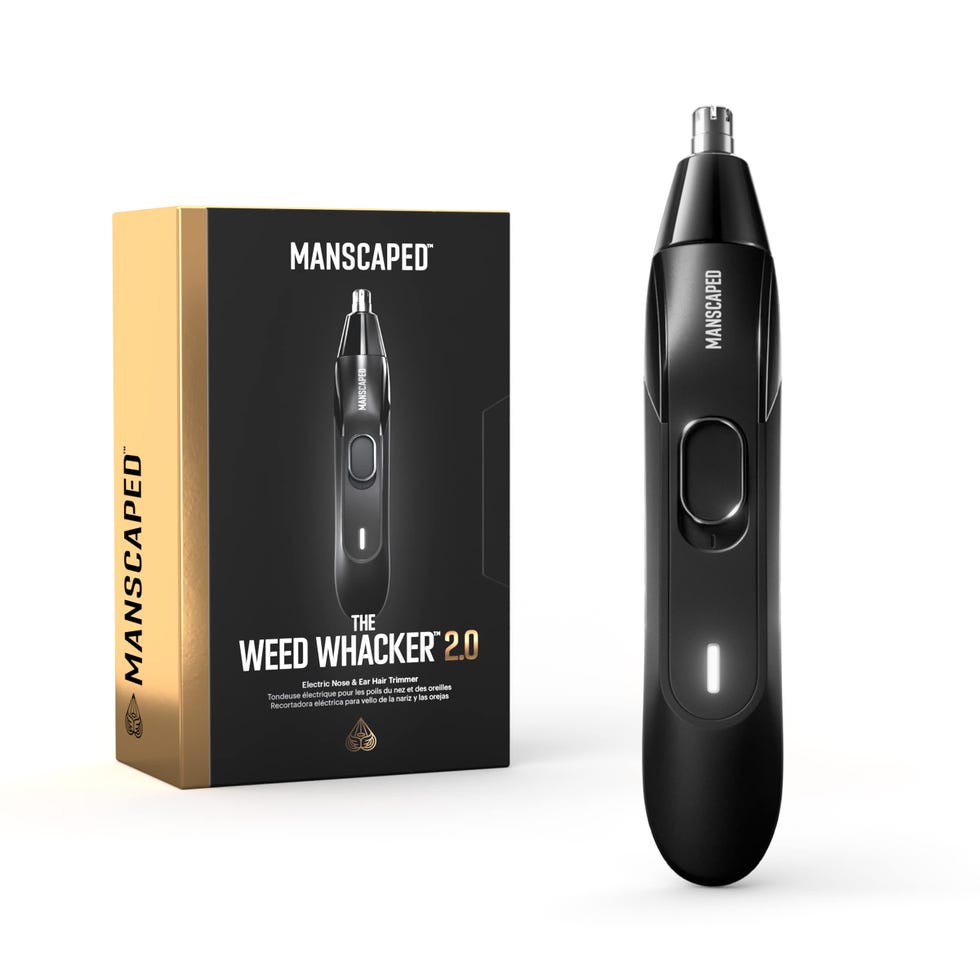
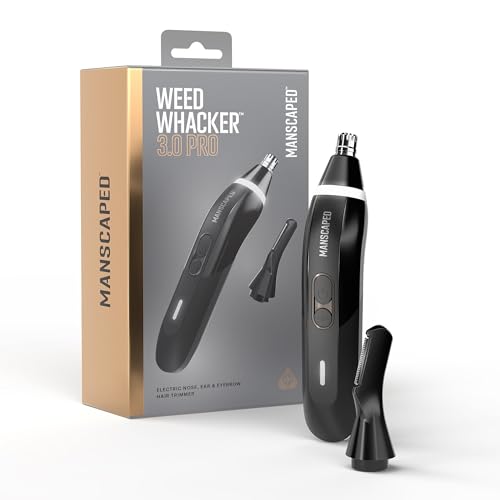
When it comes to nose hair trimmers, there are two names that stand out among the rest: Manscaped and Panasonic. The Manscaped Weed Whacker offers a powerful motor and skin-safe stainless steel design that cuts smoothly without tugging, while the quiet, angled head makes grooming easy and precise. Plus, the long-lasting USB-rechargeable battery means no swapping AAs. The latest iteration, the Weed Whacker 3.0, just won a Men’s Health 2026 Grooming Award.
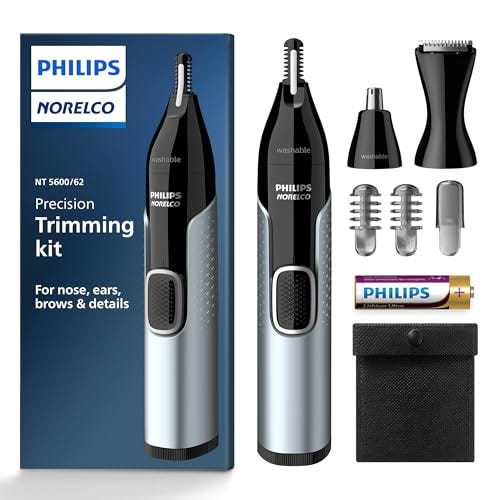
Then there’s the Panasonic Nose Hair Trimmer. This is our best overall option thanks to its top-tier performance with a powerful dual-edge blade that trims quickly and comfortably (plus a built-in vacuum that keeps cleanup minimal). Its well-balanced, wet/dry design makes it easy to use anywhere, while the strong motor handles even thick hair with ease. Even after months of use, it maintains consistent cutting power and reliability. For sensitive skin, the Philips Norelco Nose Trimmer 5000 is best. Its hypoallergenic blades and smooth, tug-free cutting action make it especially well-suited for sensitive skin, helping minimize irritation while trimming comfortably and effectively.
Meet the Experts
- Dr. Rina Weimann, MD, board-certified dermatologist based in the Philadelphia, Pennsylvania area, and host of the Skin the Surface Podcast.
- Dr. Maral Kibarian Skelsey, MD, board-certified dermatologist and skin cancer surgeon based in the Washington, DC area and Clinical Professor at Georgetown University.
More of Our Favorite Grooming Gadgets
Best Beard Trimmers | Pubic Hair Trimmers | Eyebrow Trimmers | Best At-Home Laser Hair Removal | Best Back Shavers | Best Head Shavers | Best Hair Removal Creams | Best Razors | Best Disposable Razors | Best Electric Razors | Best Straight Razors | Best Safety Razors | Best Back Shavers | Best Hair Clippers| Best Nose Hair Trimmers

Sean Zucker is the Grooming and Reviews Editor at Men’s Health. He brings over half a decade of experience covering health, wellness, and lifestyle. When Sean’s not writing about hair products, you can find him running for exercise, or toward the nearest food truck.

Christian is the Style and Reviews Director at Men’s Health and Women’s Health, where he oversees shopping and style content for both brands. He started his magazine career as an accessories assistant at Vogue, and has since held editorial roles at Tatler Asia and The Manual. When he’s not online shopping, you can find him on long walks with his two corgis.
First Appeared on
Source link






