


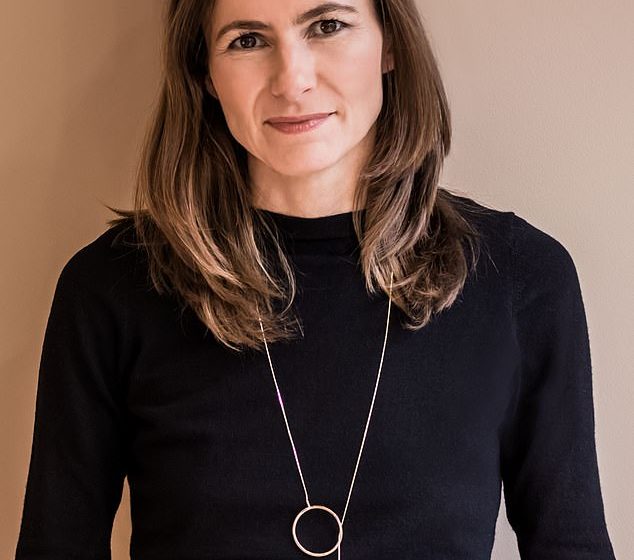
For 10 years I was told my hot sweats and debilitating fatigue were the menopause. After spending thousands I found it was an (increasingly common) disease – and the life-changing cure
Around 13 years ago, I’d had a long day at work and by late afternoon felt completely exhausted and slightly feverish. By the time I got home I had quite intense pain in my chest, so I went straight to my GP, who sent me to A&E.
At that point I could barely lift my arms. I was diagnosed with pneumonia. What struck me was how sudden and quiet it was. You tend to associate pneumonia with coughs and colds, but this felt different.
When they scanned my chest, they asked if I’d had tuberculosis as a child because there was evidence of existing lung damage. I had no recollection of that, but growing up in a large family there were always coughs and colds that lasted the winter. I took antibiotics and seemed to recover although never fully felt 100 per cent.
Cut to 2020 and Covid, and I was working really hard. I felt incredibly tired all the time and at night was sweaty, hot and bothered. I assumed it was the menopause and thought ‘just deal with it’ and ordered magnesium supplements off the internet, plus every other supplement that targeted me on Instagram too.
I also completed an online appointment with a menopause clinic, and they ordered blood tests and prescribed HRT. It was expensive, costing hundreds of pounds, but my symptoms continued. Every time I went back and told them I wasn’t feeling any better, they just put me on a higher dose.
So, then I decided I must be dealing with burnout too. I booked a ‘cure’ at Rogaška Slatina (a centuries-old health retreat in Slovenia). The war in Ukraine had just started and this former Eastern Bloc retreat that was popular with people from former Communist countries was empty. The usual Russians were nowhere to be seen so I practically had a hotel and the town to myself.
You are made to walk to the spa four times a day to drink the special mineral-rich magnesium water from the tap with your own glass! It was wonderful. The air there is incredibly fresh which is supposed to be fantastic for the lungs. It was probably £2,000 all-in, including flights. They ran so many tests, but nobody checked my lungs. I went back to England and felt restored in one way but still underlying it all I felt exhausted and weak.
Carmel Allen assumed her symptoms were a result of menopause and bought supplements to deal with it
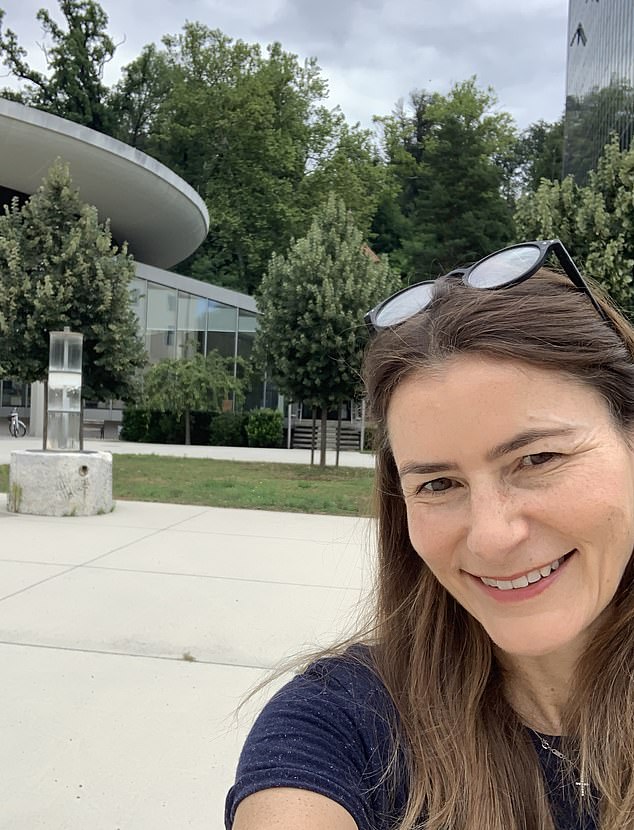
Carmel booked a ‘cure’ at Rogaška Slatina, a centuries-old health retreat in Slovenia but, while felt restored afterwards, underlying it all she still felt exhausted and weak
Fortunately, on my return, I received a call-up from the hospital. Ten years after I’d been treated for pneumonia, I was recalled for some tests. I’d obviously signed up to some kind of trial at the time, and they were checking up on people post-Covid. They gave me a lung scan and that’s when everything snowballed quickly.
I was called in for a bronchoscopy (where a camera is inserted through the nose or mouth to view the trachea, throat and lungs) and saline is sprayed into a segment of the lung and then collected. The fluid, which contains lung cells and bacteria, is sent to the lab for testing. The nature of these infections (slow, indolent) means cultures can take up to eight to ten weeks to develop. My results showed I had NTM (non-tuberculosis mycobacterium).
Once considered largely eradicated in the UK, tuberculosis (TB) is rising again, with cases up by more than 13 per cent and London among the most affected areas. Beyond TB itself, there is a wider group of non-tuberculosis mycobacterial infections (NTMs) – often called the cousins of TB because of the similar symptoms – are also on the rise.
TB is highly infectious to others, but NTM infections are not. They are acquired from the environment, not from other people. But they share the same symptoms of exhaustion, coughing and weight loss.
The most common NTM infection, MAC, is known as Lady Windermere Syndrome because it’s associated with elderly, white, underweight women with suppressed coughs. It brings up images of Victorian ladies lying on their chaise longues for years.
I don’t know how I got it but clearly the existing lung damage I have from childhood means it’s easier for infections to harbour and develop. I’ve since learnt that these infections are slow-growing species within the genus mycobacterium that cause chronic, slowly progressive lung diseases or infections that mimic tuberculosis. The organisms are found in soil and water and cause opportunistic infections in people with pre-existing lung conditions or weakened immunity.
What I’ve learned is that these infections can be very slow-moving and quite subtle. They can exist for years, progressing quietly, which is why they’re often mistaken for other things like burnout, exhaustion, menopause or simply the pressures of life.
Looking back, I think that was exactly what happened in my case. The symptoms overlapped so closely that it never occurred to me – or to anyone treating me initially – that it could be something else. My consultant, the brilliant Dr Jamilah Meghji, has said that lung conditions are frequently misattributed in this way.
Treatment typically involves a combination of potent antibiotics over a long period (over 18 months in my case and the infection is still there). It’s quite an intense process requiring regular ECGs to monitor the heart, blood tests and even eyesight tests.
For me, NTM has meant recognising lung disease as something to manage, not cure. That’s been particularly tough as my mother died of lung cancer at a relatively young age, but she did smoke and I never have. I feel quite angry at how children had to endure smoke in cars, buses and homes. I’m sure that didn’t help my childhood lungs.
I’ve become much more attentive to my health and how I feel day-to-day. I focus on what I can control: nutrition, movement, rest and breathing. I eat a very varied diet and I’m particularly mindful of gut health. I do Pilates not just for strength, but for breathing. I prioritise fresh air and try to build small, supportive rituals into my routine.
For example, I spend as little time as possible on public transport and prefer to walk. I only use natural cleaners in the house (the mere whiff of bleach irritates my lungs and makes it hard to breathe). When I feel tired, I say no to things and take myself for a rest.
There’s a discipline to it, but also a sense of calm. I feel better now than I did when I was pushing through and ignoring the signs. Breathing is something we do from the moment we’re born to the moment we die and we take it for granted. Don’t ignore symptoms like I did.
As told to Rosie Green
First Appeared on
Source link






