


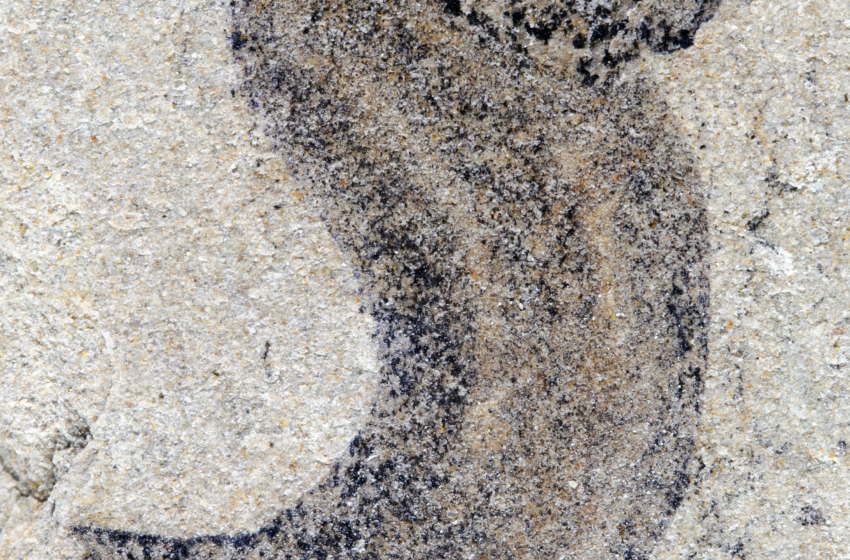
New fossil deposits show complex animal groups predating the Cambrian
The fossils, such as this oddity, consist of carbon-rich material in very old sediment deposits.
Credit:
Gaorong Li & Xiaodong Wang
But a key difference is the presence of Ediacaran species. Even if the researchers didn’t tell you, you could figure it out by the description of these creatures written in everyday English: “Four protrusions appear to be arranged in pairs, each consisting of two connected branches surrounding a central depression.” That’s largely because we really don’t understand what any of these features represent anatomically, so we can’t use the technical terms that were developed to describe more recent features.
But the big difference is how many other groups of animals are also present, many of which hadn’t been unambiguously found to predate the Cambrian.
What’s there?
These include cnidarians, a group of radially symmetric organisms including present-day jellyfish. There were six individual fossils from a species that resembles a known fossil species called Haootia quadriformis, which had tetraradial symmetry and a lot of arms. While the new species is clearly distinct from that, it shares the arms, and the fossils preserve what might be muscle fibers.
Another fossil appears to be a ctenophore, what we’d call a comb jelly today. Ctenophores were clearly present by the Cambrian, and this one looks a lot like them. The fossil appears to include the rows of cilia that these organisms use to move about the water. Critically, this pushes back the origin of some features of ctenophores to a period before we previously had confirmation that they existed.
There’s also something similar to mackenziids, an organism that one paper described as “an enigmatic and poorly understood soft-bodied organism” from the Cambrian. It also has rows of structures, although those appear to be internal tubes; its odd nature has suggested it might be a holdover of Ediacaran life, and this find suggests they were present that early.
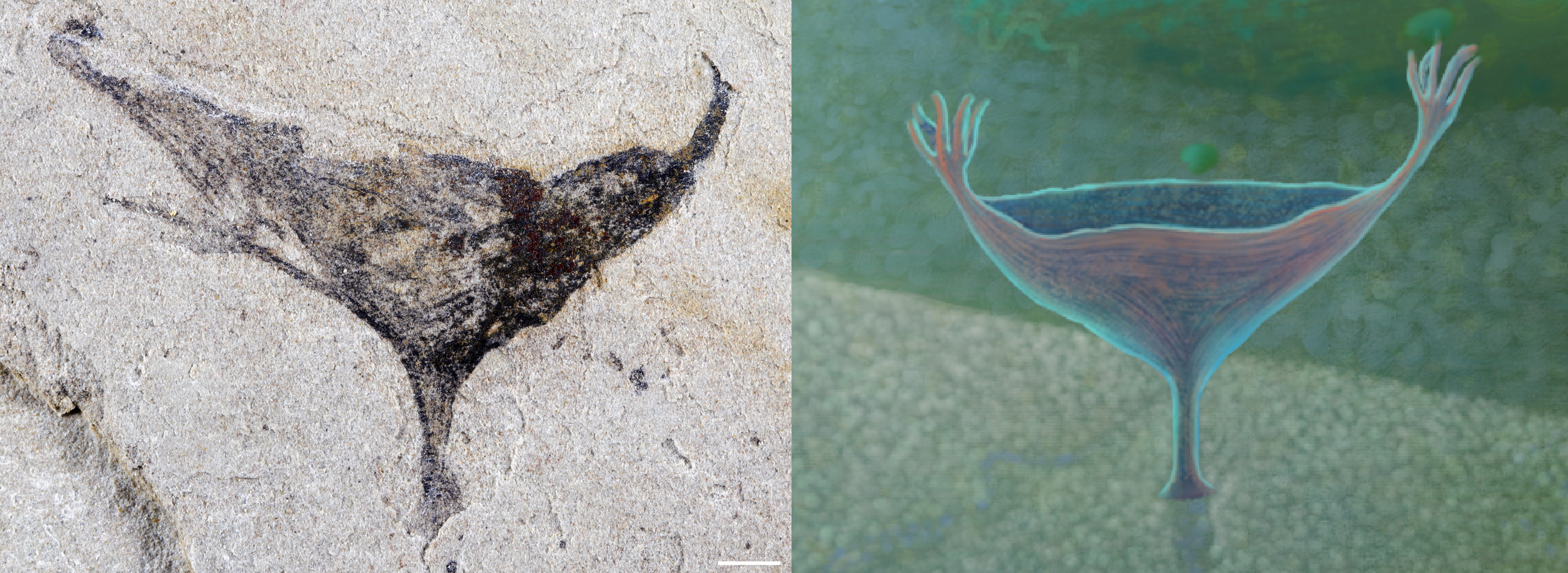
Gaorong Li & Xiaodong Wang.
This little guy (gal? hermaphrodite?) is a member of the group that includes jellyfish, sea anemones, and corals.
Gaorong Li & Xiaodong Wang.
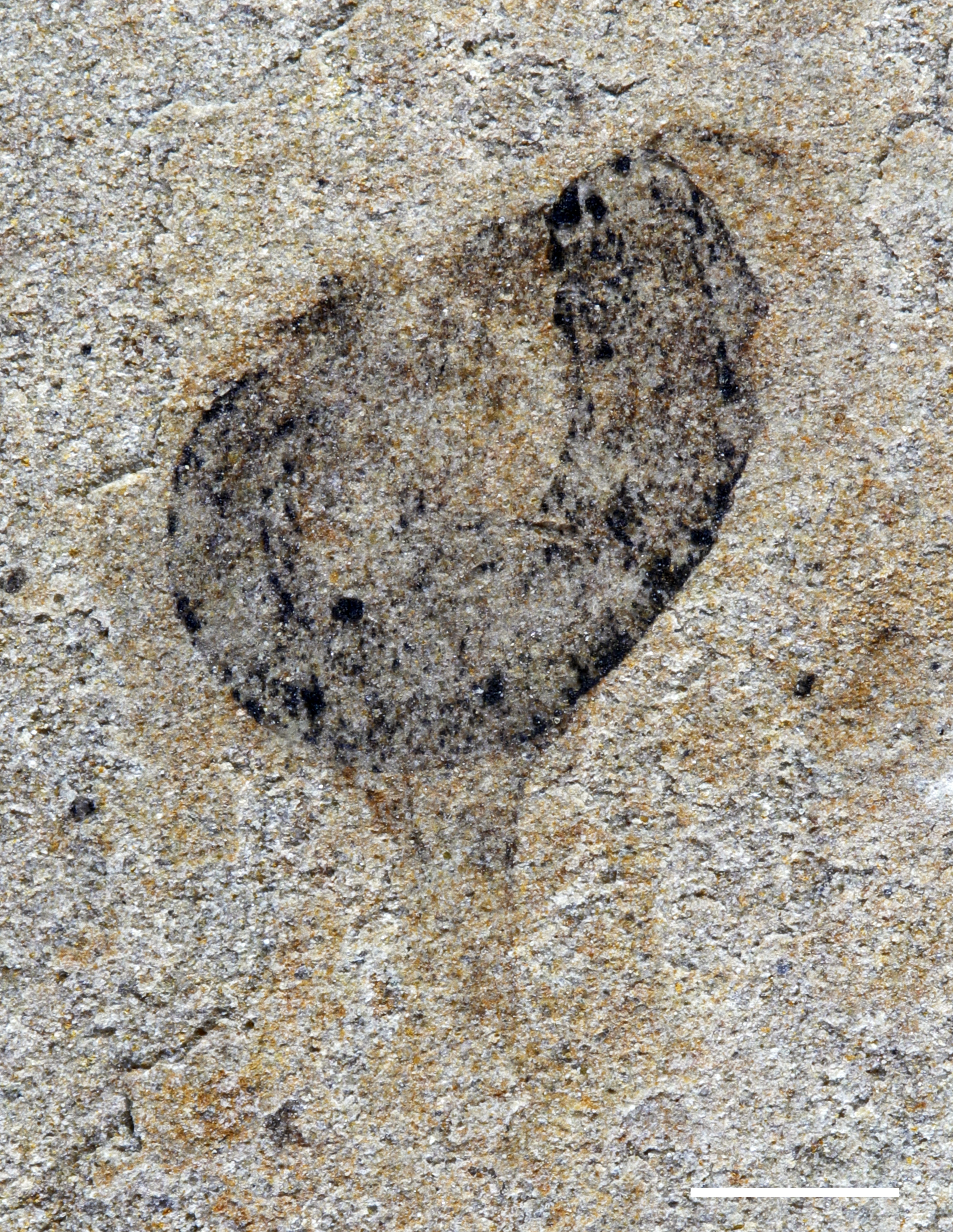
Gaorong Li.
This creature is part of a group that was only known from the Cambrian prior to these finds. It’s not clear how it relates to any known organisms.
Gaorong Li.
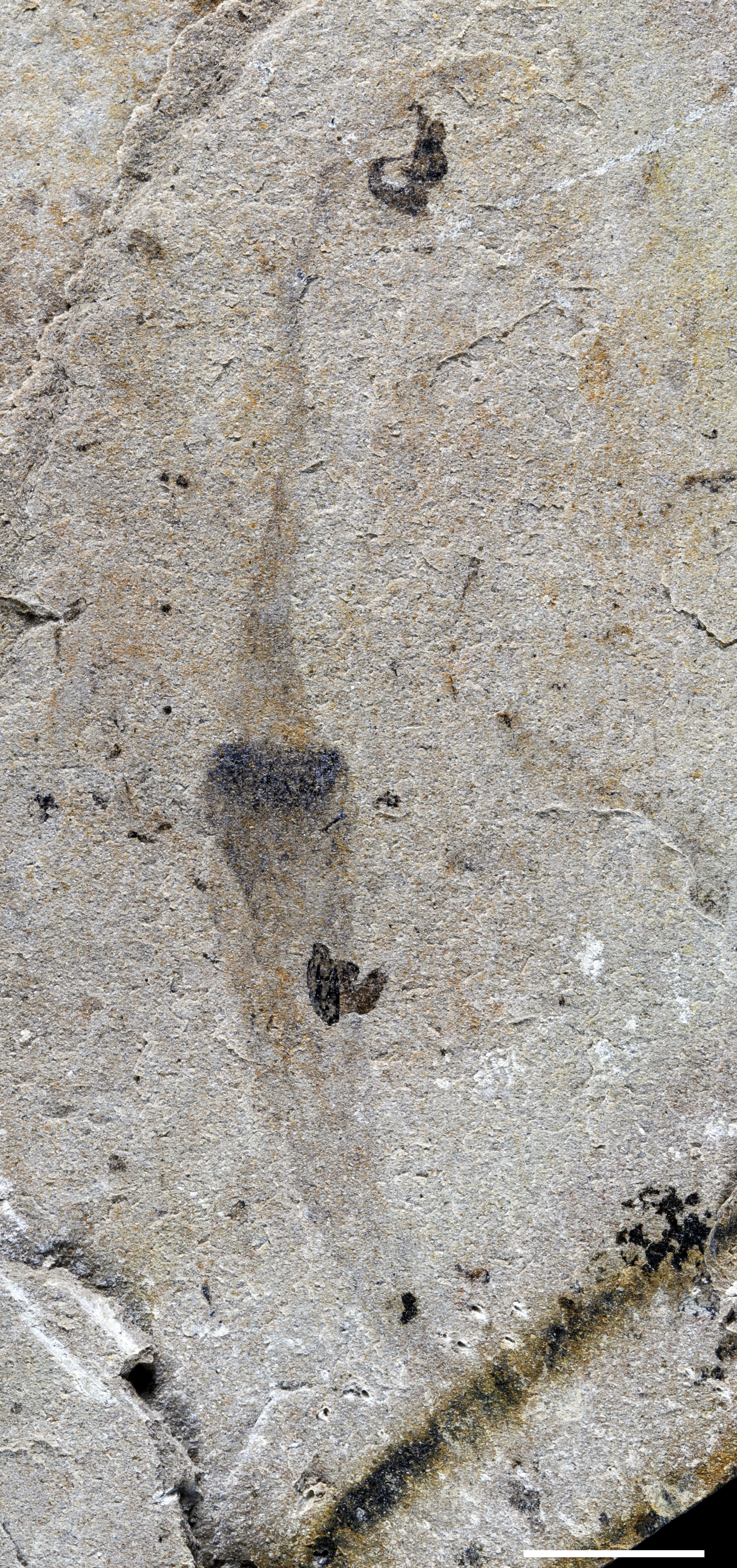
Gaorong Li.
A creature with a worm-like body that also remained attached to the ocean floor.
Gaorong Li.
This creature is part of a group that was only known from the Cambrian prior to these finds. It’s not clear how it relates to any known organisms.
Gaorong Li.
A creature with a worm-like body that also remained attached to the ocean floor.
Gaorong Li.
But the star of the show may be a worm. Worms are clearly bilaterian, a group of animals with left/right symmetries that includes our own species. And this place was crawling with worms, though not ones that would actually crawl, given that their posteriors were structured to attach to a surface. The mouth at the other end was able to extend some exterior structures outside the animal’s body, as is seen in some animals’ jaws today.
First Appeared on
Source link






