


RAM Prices Are Killing Small Gaming Devices
First, it was Trump’s tariffs. Now, it is ballooning RAM prices. Small gaming devices are being ground down by economic forces outside of their control. Even Lenovo, the largest PC brand in the world in terms of shipments, can’t keep its gaming handhelds and tablets affordable anymore.
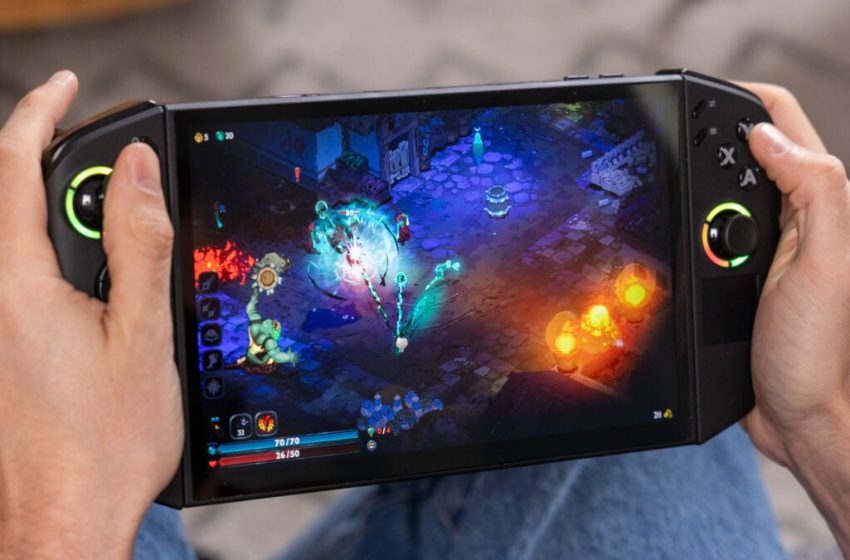
The Lenovo Legion Go 2 launched last year for a suggested retail price of $1,350, even more than the competing Asus ROG Xbox Ally X at $1,000. Videocardz first spotted that the Legion Go 2 is now listed for $2,000 on Best Buy’s website. Even open box models on the site were listed for around $1,800 or more, depending on their condition. On Lenovo’s own site, the company proclaims its 8.8-inch handheld from 2025 will be “Available Soon.” Those two words seem to be the new black spot for tech products, heralding doom.
It’s not just handhelds taking a beating. Lenovo trotted out its third-gen Legion Tab gaming tablet back during CES 2026 and again in March. It was being sold for around $380 as recently as February, as evidenced by the Wayback Machine. As of April, the company removed the device from sale from its own website, again listing it as “Available Soon.”
Practically all of Lenovo’s tablets are now more expensive. At the very least, you may be able to find a Legion Go S with SteamOS for $650, only $50 more than its launch price.
Memory costs may go even higher
Gizmodo reached out to Lenovo for comment. We’ll update this post once we receive any word about Lenovo’s future plans. Since late last year, AI data centers have created a massive demand for high-bandwidth RAM; the major semiconductor companies have all tuned their businesses to supplying the AI industry.
The costs of some consumer-end RAM have ebbed in recent days. TrendForce reported, based on Taiwanese media, that costs have come down nearly 20% in some cases. That’s due to a host of factors, some of which may be the markets responding to Google’s recent TurboQuant technology that may reduce the need for memory for AI training. It’s also likely due to softening demand from consumers due to rampant price gouging and scalpers.
But don’t celebrate just yet. TrendForce’s latest report suggests RAM prices could spike again in the second half of this year by upwards of 60% for DRAM and 75% for NAND flash storage.
Boutique brands are taking the brunt
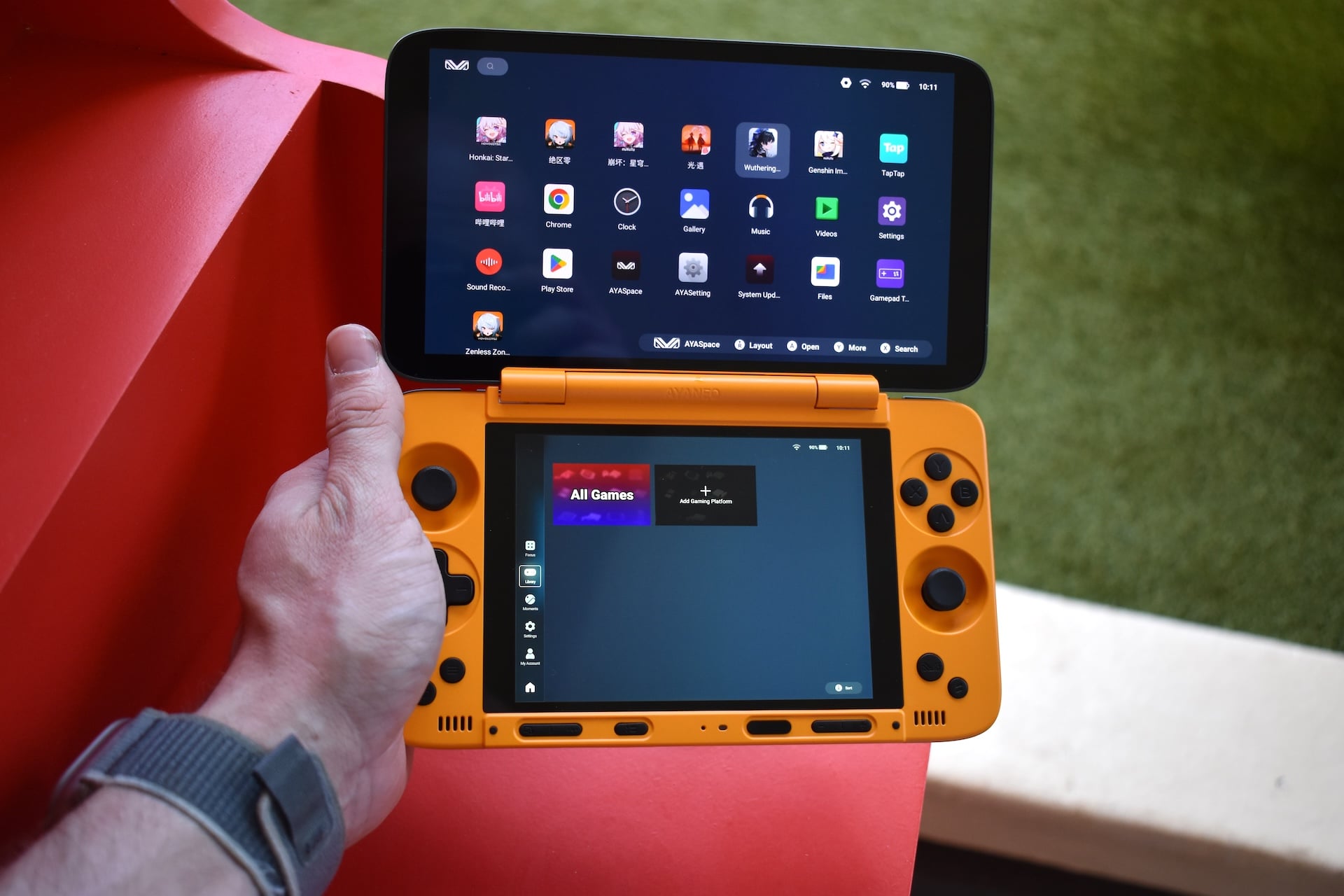
Smaller gaming handheld brands have taken much more of a beating. Last week, Ayaneo—which makes a number of pricey gaming handhelds—told Indiegogo backers it had suspended all sales of its super high-end Next II Steam Deck-like handheld. The company blamed the increasing cost of NAND storage for pushing the price of its handheld well beyond what people would willingly pay for it. Ayaneo further warned customers it would need to increase the price of several handhelds, like its Pocket DS and cheaper Konkr Fit.
AYANEO sent out an email warning that prices will soon increase, and that current inventory is limited. Notably, the KONKR Pocket Fit (arguably their best handheld/value) is totally unavailable and will be “relaunched in phases”. pic.twitter.com/7N1dQ1pb5t
— Retro Game Corps (@RetroGameCorps) March 27, 2026
Retro handheld maker Retroid also decided to cut some devices completely. Last month, the company told gamers, “Due to ongoing fluctuations in memory pricing,” it was “temporarily” discontinuing its Retroid Pocket G2 handheld. It had also spiked the price of its Retroid Pocket Classic to $150, up from its original starting price of $114. Smaller computing companies like Raspberry Pi, alongside gaming monoliths like Sony, are being forced to charge more for their products. The future is looking more grim, with fewer choices of gaming products. The dregs of what we’re left with will inevitably cost way more.
First Appeared on
Source link






