


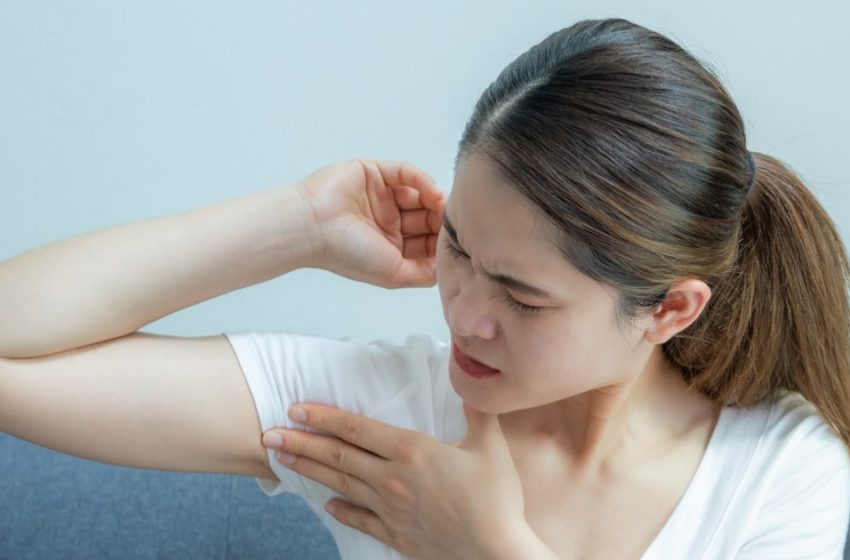
11 Common Causes of Itchy Armpits and When To See a Doctor
Itchy, irritated armpits? You’re not alone. It’s a complaint that dermatologists hear often. That’s because the armpit, also known as the axilla, is notoriously prone to irritation and other issues.
Between the folds of skin, hair follicles, sweat glans and warmth, “there’s a lot of opportunity for things to go wrong,” Dr. Adam Friedman, professor of and chair of dermatology at the George Washington School of Medicine, tells TODAY.com.
Under the skin is an intersection of lymph nodes, blood vessels, and nerves, per the Cleveland Clinic.
“Just based on the location alone, you can be easily set up for failure, because it’s skin-on-skin. We call this an intertriginous area,” says Friedman. Other examples include the groin and under the breasts. These areas easily trap moisture and heat.
“The skin in the armpits also tends to be a little bit thinner, more sensitive, and it gets exposed to a lot of things,” Dr. Jack Levy, a dermatologist at Weill Cornell Medicine, tells TODAY.com.
Itchy Armpits Causes
Is there anything worse than feeling like you have an itch you just can’t scratch?
Pruritus, the medical term for itching, can be caused by many things, from deodorant to underlying chronic diseases and less commonly, malignancies, says Levy.
While itchy armpits are usually temporary and not a cause for concern, they can be a symptom of a more serious problem requiring further evaluation or treatment.
Here are common causes of itchy armpits, and when to see a doctor:
Irritant Contact Dermatitis
The most common reasons for itchy armpits is irritant contact dermatitis, says Friedman. It’s technically a type of eczema, but affects almost everyone from time to time.
Irritant contact dermatitis is non-allergic inflammation caused by contact with chemical or physical irritants, which damage the skin’s barrier and cause an itchy, red rash soon after exposure. It may become painful, itchy or scaly.
“Anyone can get this rash in response to external or internally-made substances,” says Friedman. Common causes include soaps, deodorants, detergents, sweat or friction.
Even the fabric of clothing rubbing against the armpits — for example, during exercise — can cause an itchy rash, Levy adds.
Lightening creams and serums can also be very irritating, says Friedman, who warns about hacks on social media to get rid of underarm darkness.
The best treatment is to identify and avoid the irritant, the experts note, and protect the skin barrier.
Allergies and Sensitivities
Unlike irritant contact dermatitis, allergic contact dermatitis is caused by a specific allergy to an ingredient, says Levy.
In this case, the allergen triggers an immune response, which causes inflammation, redness and blisters. It’s a delayed response, which usually occurs 12-72 hours after exposure.
“Only people who are uniquely sensitized to a substance develop it. It’s usually a very itchy, poison ivy-like rash,” says Friedman. Common allergens include fragrances, dyes and metals like nickel and aluminum, which is in many anti-perspirants.
Allergic contact dermatitis is usually diagnosed through more extensive patch testing, Levy adds. It’s treated by avoiding the allergen, as well as topical steroids and antihistamines.
Chronic Skin Conditions
Underlying skin diseases can trigger an itchy armpit rash in the absence of any irritants or allergens.
The most common example is eczema, or atopic dermatitis, which causes itchy patches of dry skin. It can erupt anywhere on the body, says Friedman, but the armpits are prone.
“Eczema happens when the top layer skin, the barrier, doesn’t work as well, (coupled) with immune dysregulation, and together, they create a rash,” says Friedman.
Flare-ups can be triggered by stress, infections, temperature or humidity changes. Even scratching too hard can “wake up” the eczema, Friedman adds.
Other skin diseases that can cause itchy underarms include psoriasis and lichen planus, says Levy — these are accompanied by other symptoms, like plaque or bumps. Hidradenitis suppurativa is an inflammatory condition that causes boils in the armpits, which can be itchy and painful.
Treating these chronic skin diseases often requires a combination of medications, topical products and lifestyle changes.
Sweat Buildup
Armpit sweat can cause itching for several reasons.
“Your sweat is incredibly irritant because the water saturates the top layer of the skin, causing it to become too moist, and after it evaporates, the salts left are very itchy,” Friedman explains.
The apocrine glands in the armpit produce sweat and secretions that cause odor. The sweat can mix with dead skin cells and oils, leading to clogged pores or a heat rash.
“Apocrine miliaria is a condition that results in inflammation of these glands, which can cause little red bumps in the armpit that are extremely itchy,” says Friedman.
Treatment usually involves keeping the skin dry and cool. Botox can help treat hyperhidrosis (excessive sweating), says Levy.
Razor Burn
Razor burn in the armpits can cause an itching, burning or stinging rash, which can last hours to days.
Shaving over existing razor burn can worsen the rash, creating an itchy cycle, the experts warn.
Razor burn is usually caused by dry shaving, using an old or dull razor, and shaving the wrong direction or too quickly, according to the Cleveland Clinic. Using proper shaving technique and fresh, sharp razors can usually fix the itch.
Bacterial Infections
Bacteria thrives in the warm, sweaty environment of the armpits, which can lead to infections of the skin or hair follicles.
Corynebacterium is a common bacteria that lives on the skin, but an overgrowth in the armpit can lead to erythrasma, says Levy. This can cause very itchy, defined pink or brown patches.
“We can do a test for this by looking under a fluorescent lamp, and the bacteria will glow a coral red color,” Levy adds.
Folliculitis, which is caused by staphylococcus aureus, can cause the armpit hair follicles to become inflamed, itchy or pus-filled.
These infections can be treated with topical or oral antibiotics.
Fungal Infections
The armpit is also a breeding ground for yeast, a type of fungus that lives on the skin. Normally, yeasts like candida won’t cause issues, but an overgrowth can lead to a yeast infection, says Levy. This results in an itchy, bright red rash.
“Another common fungal infection is ringworm, which can occur in the armpits and be very itchy,” says Friedman.
Fungal infections are diagnosed by scraping the rash and looking at it under a microscope, says Levy. Anti-fungal medications and keeping the armpits dry can usually clear them up.
It’s crucial to properly diagnose fungal infections because using topical steroids commonly prescribed for rashes can make the fungus significantly worse, Levy adds.
Rarely, Cancer
Less commonly, itchy armpits can be a symptom of certain cancers.
“I always want to make sure that we’re not missing a T-cell lymphoma or an inflammatory breast cancer that’s presenting as itching,” says Levy. These may also cause lumps, swollen lymph nodes and other symptoms.
“You want to keep it in the back of your mind that it could be something a little bit more concerning, so you have a lower threshold to get it checked out,” says Levy.
When to See A Doctor
Itchy armpits are most often caused by irritation or non-malignant issues, the experts note. However, it’s important to rule out potential serious causes.
If you have unexplained, itchy armpits that won’t go away, there’s no reason to panic, but it is worth getting checked out.
You should also see a doctor if the itching is accompanied by other symptoms, such as:
- Severe armpit pain
- Swollen lymph nodes
- New growths
- A rash elsewhere on the body
- A fever
“It’s worth speaking to a board-certified dermatologist because the differential diagnosis is so broad, you really need someone who can kind of suss out everything,” says Friedman.
In most cases, the itching can be cured by treating the underlying cause or a lifestyle change, like swapping your deodorant. Because no matter how good it feels, scratching won’t always get rid of the itch.
First Appeared on
Source link






