Galaxy S26 FE Is Up To 33% Slower Than Exynos 2600-Powered Galaxy S26 In Benchmark Leak, Highlighting Samsung’s Lack Of Interest In This Lineup
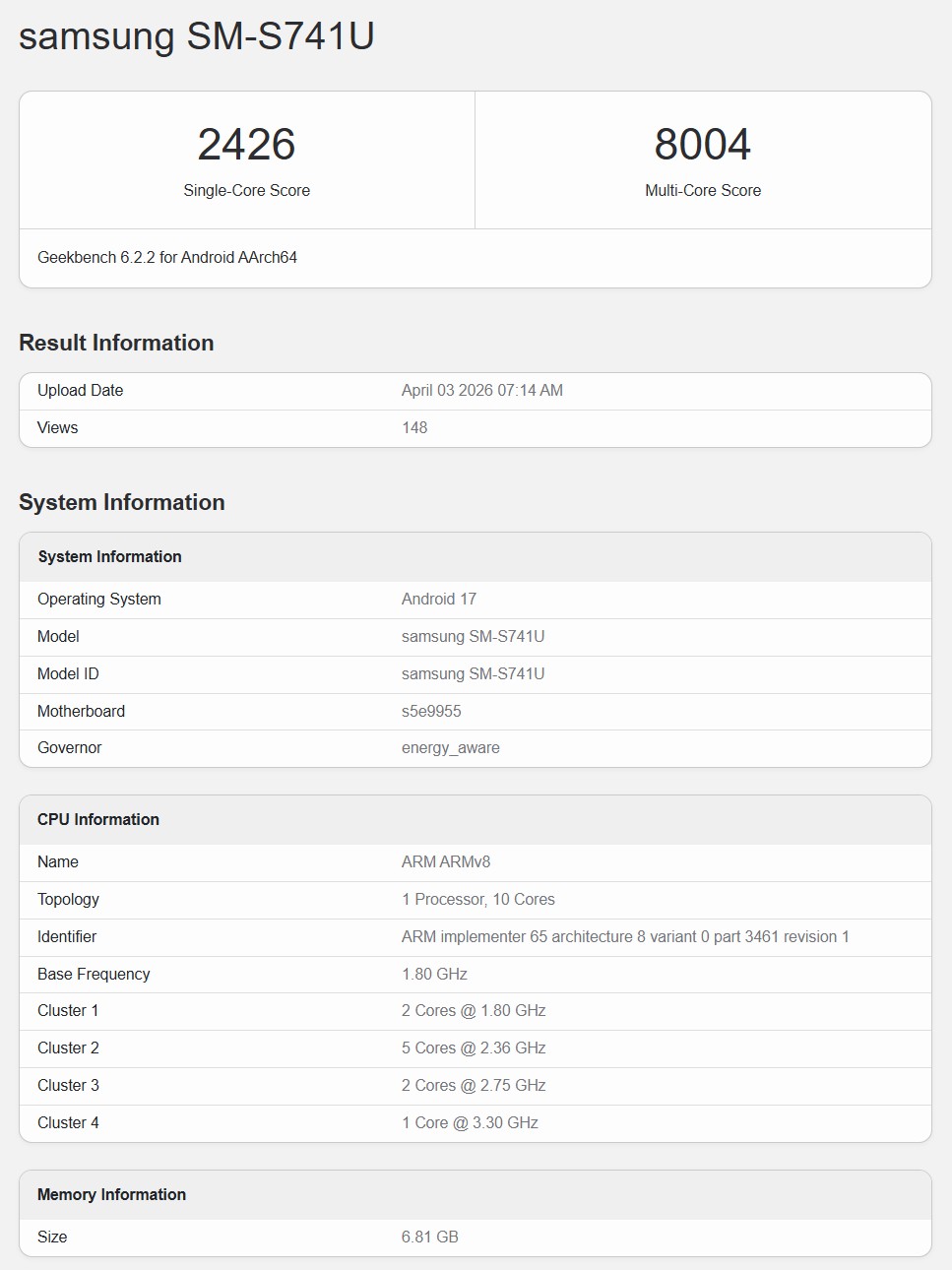
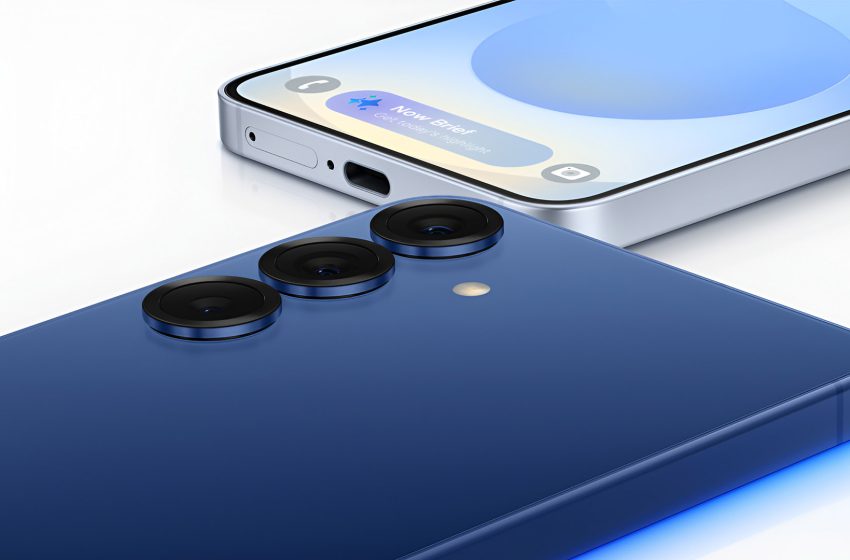
The ‘price to performance’ devices marketed under the Galaxy S FE banner were Samsung’s attractive offerings to the masses, allowing them to obtain a highly premium smartphone without spending flagship-level funds. It’s this approach that enabled the Korean giant to ship more than 10 million Galaxy S20 FE units in 2021, but somewhere down the road, Samsung lost its footing and hasn’t recovered since. A fresh benchmark leak shows the upcoming Galaxy S26 FE sporting an underwhelming SoC that’s up to 33 percent slower than the Exynos 2600-powered Galaxy S26, along with other disappointing specifications.
The Exynos 2600 would have been an excellent choice for the Galaxy S26 FE; instead, Samsung is choosing to risk sales by opting for the abysmal Exynos 2500
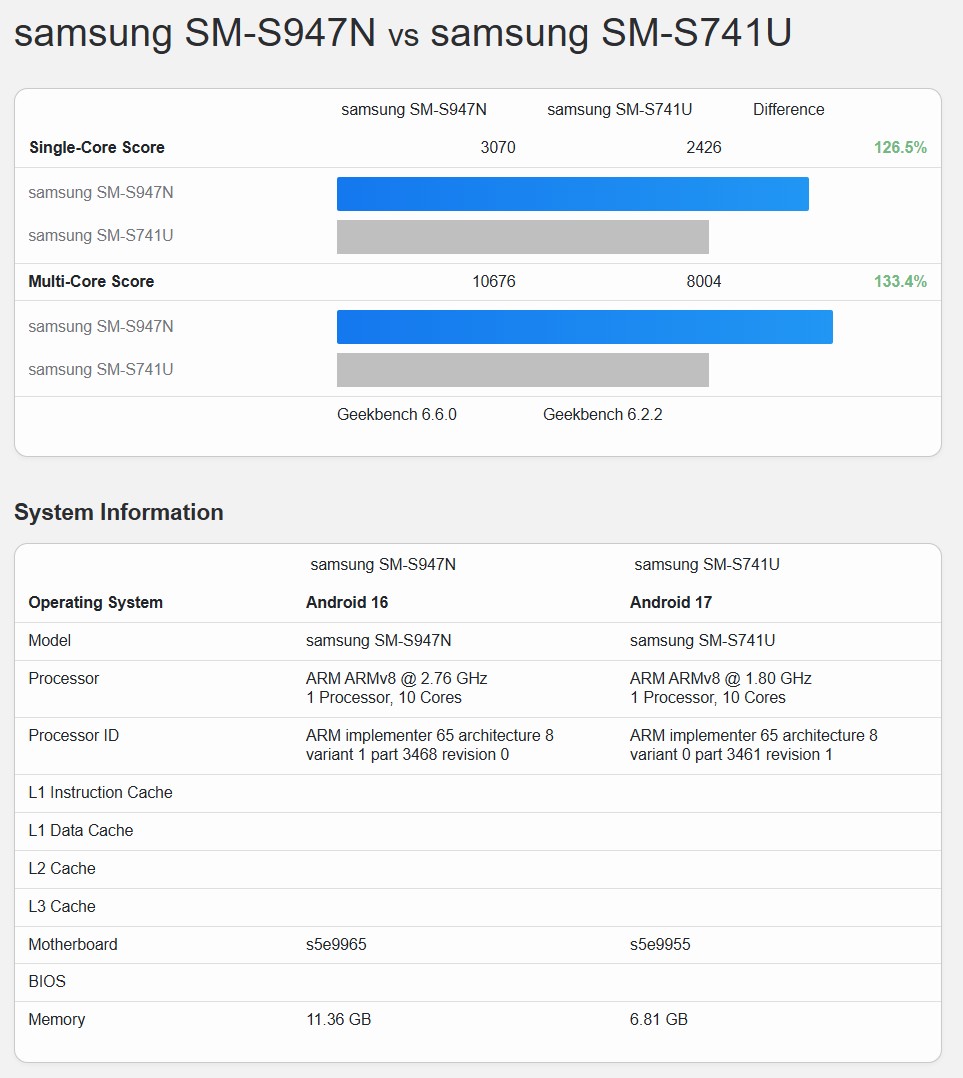
A Geekbench 6 listing shows that Samsung is bringing back the Exynos 2500, an SoC once used in the Galaxy Z Flip 7, to the Galaxy S26 FE. As you can see in the comparison and scores below, the Exynos 2600 achieves a significant lead over its predecessor in both single-core and multi-core performance, showing that Samsung has left a ton of performance on the table by choosing to opt for a previous-generation silicon instead of its first 2nm GAA silicon.
Geekbench 6 results (single-core)
- Galaxy S26 FE – 2,426
- Galaxy S26 – 3,070 (26.5 percent faster)
Geekbench 6 results (multi-core)
- Galaxy S26 FE – 8,004
- Galaxy S26 – 10,676 (33.4 percent faster)
While it is understandable that the company needs to make certain cost cuts, it shouldn’t be at the expense of hardware specifications. For instance, the Korean technology behemoth could have easily utilized a binned version of the Exynos 2600, and it would likely have a truckload of units available since its 2nm GAA technology doesn’t have the best of yields, but another area where a compromise was made was in the RAM department.
For yet another year, Samsung has gimped its non-flagship series by incorporating the Galaxy S26 FE with 8GB RAM. We wouldn’t be surprised if, during the latter’s announcement, Galaxy AI’s marketing material was littered all over the device’s product page, whereas, in reality, the aforementioned RAM count isn’t sufficient to run on-device AI operations effectively.
At this point, Samsung can forget about competing with Apple’s iPhone 17e unless it smartens up with its smartphone strategy. We are confident that the Galaxy S26 FE will barely gain any traction, meaning that it will be a waste of resources for the company.
News Source: Geekbench

About the author: Omar Sohail is a reporter and analyst for Wccftech’s mobile section, specializing in the technology and business of the mobile industry. His expertise lies in the intricate hardware supply chain, covering developments in semiconductor manufacturing, chip lithography, and camera sensor technology.
Follow Wccftech on Google to get more of our news coverage in your feeds.
First Appeared on
Source link