


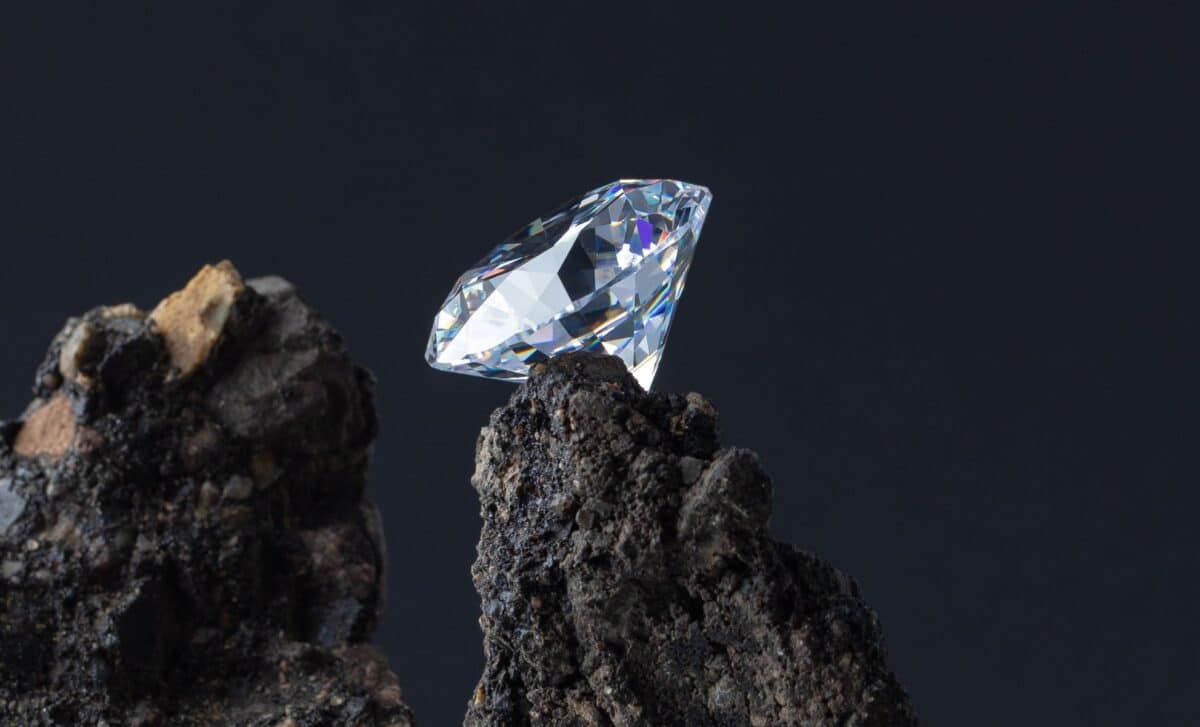
This Family Unearthed a Massive 2.79-Carat Diamond With a $2 Toy Kit
During a spontaneous stop to celebrate a birthday in southwest Arkansas, an Oklahoma family uncovered something far beyond what they expected: a 2.79-carat brown diamond. The gem was discovered on September 13 at Crater of Diamonds State Park, one of the few places in the world where the public is allowed to search for natural gems in their original volcanic setting.
A Birthday Detour Leads to a Rare Gem
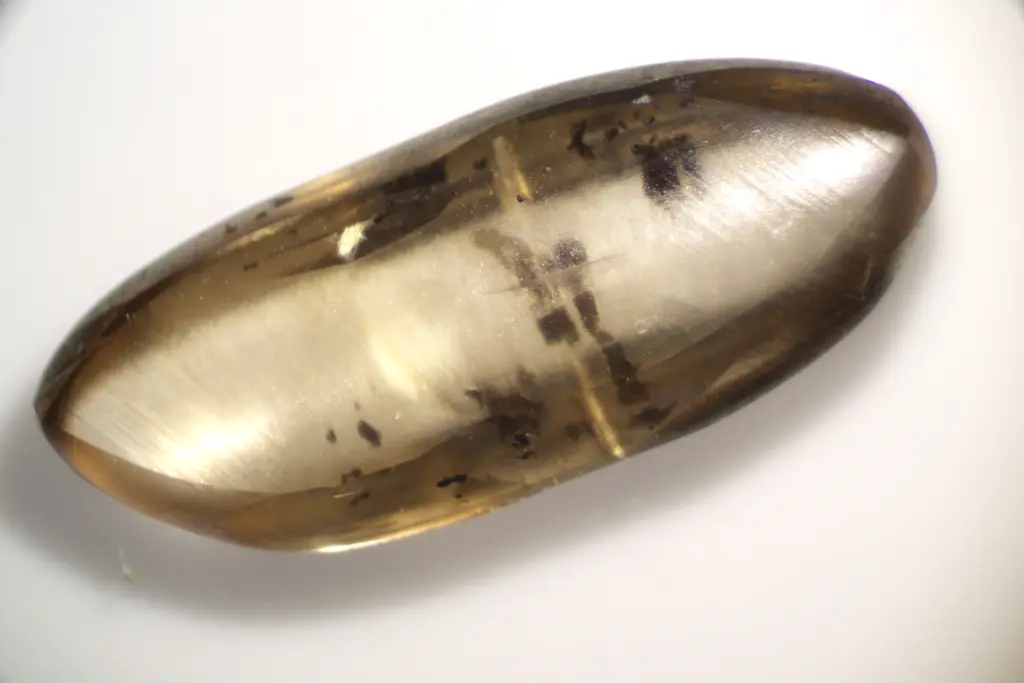
The family had taken a spontaneous detour to the park during their nephew William’s birthday trip. While searching near the Prospector Trailhead on the north side of the field, they used screens and a beach kit bought from a dollar store. After filling and sifting a few buckets of soil, they noticed a shiny, oblong stone that caught their attention. Staff at the park’s Diamond Discovery Center confirmed it was indeed a 2.79-carat stone. The family named it the William Diamond, in honor of the young boy whose birthday inspired the visit.
“I honestly thought it was too big to be a diamond!” said Raynae Madison, as reported in a press release, recalling the moment they realized what they had found.
Although the stone’s size is notable, its monetary value remains unknown. Like many rough gems found at the park, its worth would depend on multiple factors, including clarity, potential yield after cutting, and market demand.
Why Brown Diamonds Are More Than They Appear
The precious stone, described as chocolate brown by park staff, has unique internal features known as inclusions. These natural characteristics help gemologists trace the stone’s growth and its journey from deep within the Earth to the surface. Inclusions often consist of mineral grains or tiny cavities that formed alongside the host crystal. According to Emma O’Neal, Park Interpreter at Crater of Diamonds State Park:
“Brown diamonds from the Crater occur due to a process called plastic deformation, which creates structural defects during a diamond’s formation or movement in magma, These defects reflect red and green light, combining to make the diamond appear brown.”
In some cases, these bands of deformation can also produce pink or other hues, depending on the type and distribution of structural defects.
What Sets This Arkansas Park Apart?
The park operates under a “finders keepers” policy, allowing anyone to keep whatever they uncover. The park spans 37.5 acres of plowed volcanic soil, and the ground is regularly turned to expose new material. Visitors often try surface searching, dry sifting, or wet sifting, simple techniques that require only basic tools.
The park sits atop the Prairie Creek volcanic pipe, a geological formation that originated during the Cretaceous period. This ancient, explosive volcanic event brought them from the Earth’s mantle to the surface through eruptions that opened a vertical volcanic channel called a diatreme.
Over millions of years, erosion has exposed weathered volcanic rock—specifically lamproite, a type of mantle-derived igneous rock capable of carrying the rare stones. As the rock broke down, these precious rocks became embedded in the loose soil where visitors now search.
“2025 has been a great year for large diamond finds!” said O’Neal. “So far, we have registered four diamonds weighing over two-carats.”
Because only a small fraction of diamonds make it from the deep mantle to the surface intact, discoveries like this one are uncommon. The fact that they’re still accessible to the public makes the site especially valuable for both tourism and science.
First Appeared on
Source link






