



Five Experiments Where Science Crossed the Line Into Fiction
When Mary Shelley published Frankenstein; or, The Modern Prometheus in 1818, she wasn’t just writing a gothic horror novel—she was laying the foundations for science fiction. Her tale of a scientist who reanimates dead tissue posed enduring questions about the consequences of unchecked ambition and the ethics of tampering with life.
Over two centuries later, her themes resonate more than ever. In 2025, director Guillermo del Toro resurrected Frankenstein on Netflix, retelling the myth of human overreach for a new era. But fiction has already been overtaken by fact.
From electrified corpses in 19th-century Europe to modern-day CRISPR babies and brain-revival technologies, the line between speculative fiction and experimental science has narrowed to a sliver. These five real-world cases offer a sobering glimpse into what happens when scientific inquiry tests—or shatters—the ethical boundaries once thought unbreakable.
Gene-Edited Twins
In November 2018, Chinese researcher He Jiankui announced that he had edited the genomes of twin girls using CRISPR-Cas9, aiming to make them immune to HIV by disabling the CCR5 gene. The result: Lulu and Nana, the world’s first humans born with heritable genetic modifications—a step long debated, but never before taken.
The global scientific community reacted with alarm. He’s research was conducted in secrecy, lacked institutional oversight, and, according to investigations published in J Zhejiang Univ Sci B, violated ethical and regulatory protocols. The CCR5 edit, meant to protect against HIV, carried potential risks of off-target effects, mosaicism, and unknown long-term consequences.
The story was first broken to the world in this TIME report, which detailed how He had sidestepped international guidelines and operated in a legal gray zone. Chinese authorities later condemned the study, and He was sentenced to prison for three years.
“The sanctity of human life was disregarded in favor of scientific notoriety,” said Dr. Kiran Musunuru, a geneticist at the University of Pennsylvania. “These children were treated as subjects in a grand medical experiment.”
Notably, no urgent medical need justified the intervention. The HIV-positive fathers in the study posed little transmission risk under existing therapies. In bypassing these, He reignited fears of a new eugenics—driven not by ideology, but by unregulated innovation.
The Pig Brain Experiment: The Death of Death
In 2019, researchers at Yale University restored cellular activity in pig brains four hours after death. The team, led by neuroscientist Dr. Nenad Sestan, used a perfusion system called BrainEx to circulate a custom solution through the brains, preserving structure, reducing cell death, and reviving synaptic function.
The study, published in Nature, reported no signs of consciousness. Yet it redefined the biological criteria for brain death. Traditionally, brain death is considered irreversible—but BrainEx blurred that assumption, raising profound implications for organ donation, trauma medicine, and our cultural understanding of mortality.
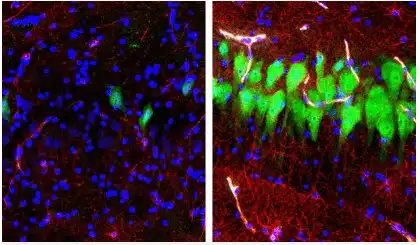
A concise breakdown of the study is available via Biology Online, which outlines how the researchers restored localized synaptic activity, preserved cell structure, and reduced reperfusion injury.
“This wasn’t a living brain,” said bioethicist Stephen Latham, co-author of the study, “but it was certainly a metabolically active one.”
The technology is far from restoring full consciousness. Still, it opened a door many thought permanently shut. And it forced institutions to ask: if function can return hours after death, how do we define when life ends?
The Two-Headed Dog
In the 1950s, Soviet surgeon Vladimir Demikhov conducted one of the most shocking experiments in transplant history. He surgically grafted the head and upper body of a puppy onto a larger dog, creating a two-headed canine chimera. The grafted head could lap water and respond to stimuli. One lived for 29 days.
While Demikhov’s work contributed to the early development of organ transplantation, his methods defied ethical norms even by mid-century standards. No pain control, no animal welfare protocols, and no clear medical objective framed his work—only ambition and ideology.
The images published in LIFE magazine shocked Western audiences. Yet within the Soviet system, Demikhov was lauded as a pioneer, illustrating how scientific ethics often reflect politics as much as principle.
The Monkey Head Transplant
Two decades later, American neurosurgeon Dr. Robert J. White took the concept further. In 1970, he performed a full head transplant on a rhesus monkey. The animal regained consciousness post-surgery, saw and heard its environment, but remained paralyzed—its spinal cord severed beyond repair.
White argued that the experiment proved the brain’s survivability outside its original body, and claimed it could one day help patients with terminal diseases. His ideas later inspired Sergio Canavero, the controversial Italian doctor who in the 2010s claimed to be preparing for the first human head transplant—though no credible trial has occurred.
A historical review of these cases, including Canavero’s proposed procedures, is detailed in Springer Medizin’s scientific review, tracing the evolution and limits of cranio-corporeal transplant theory.
While advances in microsurgery and immune suppression have made complex transplants more feasible, the idea of reconnecting the spinal cord at scale remains speculative. And the bioethical resistance remains as strong as the technical barriers.
Frankenstein’s Legacy in the Pacemaker’s Pulse
Not all Frankenstein-inspired science turned monstrous. In 1957, after watching the Frankenstein film adaptation from 1931, engineer Earl Bakken developed the first battery-powered pacemaker. Motivated by the film’s imagery of electricity reviving life, Bakken’s innovation became a foundation for modern cardiac care.
His company, Medtronic, now helps keep over 4.5 million pacemaker users alive worldwide. In this case, fiction sparked not folly, but one of the most successful medical innovations in history—a reminder that inspiration, when grounded in rigor, can serve humanity.
First Appeared on
Source link






