


Marburg virus in Ethiopia is dangerous, but broad global spread unlikely – Las Vegas Sun News
Tuesday, Nov. 18, 2025 | 2 a.m.
Editor’s note: “Behind the News” is the product of Sun staff assisted by the Sun’s AI lab, which includes a variety of tools such as Anthropic’s Claude, Perplexity AI, Google Gemini and ChatGPT.
Ethiopia has confirmed three deaths from the Marburg virus in its southern region, marking the country’s first known outbreak of this highly lethal hemorrhagic fever.
The virus has attracted global concern due to its high fatality rate, lack of an approved vaccine or treatment, and potential for regional spread. [1]
Understanding the virus
Marburg virus is a member of the Filoviridae family, sharing similarities with Ebola. [6] The virus was first identified in 1967 in Germany and Yugoslavia (now Serbia) among laboratory workers exposed to African green monkeys imported from Uganda for laboratory use. [6]
Natural reservoirs and sources
The Egyptian fruit bat (Rousettus aegyptiacus) is widely recognized as the natural reservoir for Marburg virus. [15] The virus has been repeatedly detected in this bat species — including direct detection of Marburg virus genome and high seroprevalence of antibodies in bats living in mines and caves associated with outbreaks in the Democratic Republic of Congo, Uganda, Guinea, Ghana, Zambia and Sierra Leone. [22]
Humans contract the virus when exposed to bat guano, urine, saliva or by direct handling/bites; contamination of fruit or other foods by bats also plays a role. [20]
African green monkeys, while implicated in the first outbreak in 1967, are not considered a reservoir but can be infected like humans and act as amplifiers during outbreaks. [15]
Several major outbreaks, such as the 1998-2000 outbreak in DR Congo and recurring cases in Uganda, began among miners or people who frequented caves/mines populated by bats. [20, 23]
How Marburg spreads
The virus spreads among humans through direct contact with the bodily fluids (blood, saliva, vomit, urine, stool, sweat) of infected individuals. [6] Surfaces and materials contaminated with these fluids — such as bedding or clothing — can also pose a transmission risk. [6] Human-to-human transmission requires close physical contact or exposure to contaminated items, making household caregivers and health care workers especially vulnerable. [5]
How it compares with COVID-19
Unlike COVID-19, Marburg does not spread through airborne respiratory droplets. Transmission requires direct contact, so its spread is generally slower and outbreaks are less likely to become global pandemics. [6] Marburg outbreaks tend to be geographically contained but can pose cross-border risks if initial cases are not isolated promptly. [2] There have been no documented cases of Marburg outside Africa spreading to the general population in the United States or other developed regions. [6]
Why Marburg is deadly
The virus causes sudden onset of high fever, severe malaise, muscle pain, vomiting, diarrhea and — in many cases — severe hemorrhage and organ failure. [5] Patients often die from shock due to blood loss and multiorgan dysfunction. [6] Case fatality rates have ranged from 24% to 88%, with some outbreaks even higher, depending on supportive care and rapid response. [5]
Historical outbreaks
- 1967 (Germany and Yugoslavia/Serbia): The first documented outbreak occurred among laboratory workers exposed to African green monkeys imported from Uganda. Seven deaths and 31 cases were recorded, providing the initial identification of Marburg virus as a deadly human pathogen. [6]
- 1998-2000 (DR Congo): A gold mine area was the epicenter, leading to 154 cases and 128 deaths (83%). Miners regularly exposed to fruit bats in Goroumbwa Mine sparked the outbreak, which ceased when the mine was flooded, depriving bats of habitat. [20]
- 2004-2005 (Angola): The largest and deadliest outbreak to date, with 252 cases and 227 deaths (90%) reported in Uige Province. Many cases were young children. [15]
- 2007, 2012, 2014, 2017 (Uganda): Multiple smaller outbreaks, all fatal in some cases. 2012 saw 18 cases and nine deaths; other years involved isolated cases with high mortality. [16]
- 2014-2021 (Various): Ghana (2022) and Guinea (2021) reported fatal isolated cases, demonstrating virus emergence in West Africa. Guinea and Ghana bats living near outbreak villages tested positive for Marburg virus, with genetic matches to strains found in human cases. [5, 22]
- 2023 (Equatorial Guinea and Tanzania): Both countries experienced their first outbreaks. Equatorial Guinea saw 40 cases and 35 deaths (88%); Tanzania had nine cases and six deaths (67%). [14]
- 2024 (Rwanda): Rwanda had 66 cases and 15 deaths (23%), among the largest outbreaks in recent years. [18]
- Imported cases: Cases have occurred in the Netherlands (2008) and the United States (2008), but no secondary spread, showing containment outside Africa.
How does it begin, and what is the risk of outbreak?
Outbreaks typically start with human contact with fruit bats in rural or mining areas, then spread via human-to-human contact in close settings. [14] Outbreaks are increasing in frequency, likely due to changes in land use, wildlife habitats and improved detection, but global risk remains focused in regions with direct bat exposure and limited health infrastructure. [14]
Global threat level low
Marburg is not considered a significant threat outside Africa due to its transmission dynamics and containment measures. [5] Regional risk exists near affected areas, but widespread transmission akin to COVID-19 is not seen with Marburg. [3] The current Ethiopia outbreak is under strict containment by local health authorities and WHO. [1, 28]
Marburg is rare, causing limited numbers of deaths globally each year, usually in sporadic or small outbreaks. [6] There is no indication of large-scale, ongoing annual deaths globally; outbreak deaths vary by year and location. [6] People in the United States and other regions are currently at extremely low risk. [6]
Containment strategies
Health officials in Africa are employing a comprehensive set of measures to contain Marburg outbreaks, drawing from hard-won lessons during previous emergencies like Ebola and prior Marburg incidents:
- Rapid surveillance and contact tracing: Authorities in Ethiopia and other affected nations swiftly identify, isolate and monitor contacts for 21 days to break transmission chains. [1]
- Enhanced laboratory and genomic capacity: Africa CDC, World Health Organization and partners have strengthened lab infrastructure for rapid testing, genomic sequencing and molecular diagnosis, enabling quicker confirmation of cases and outbreak sources. [27] The ability to rapidly sequence and track virus variants has allowed quicker, more targeted interventions and insight into outbreak origins. [1, 28]
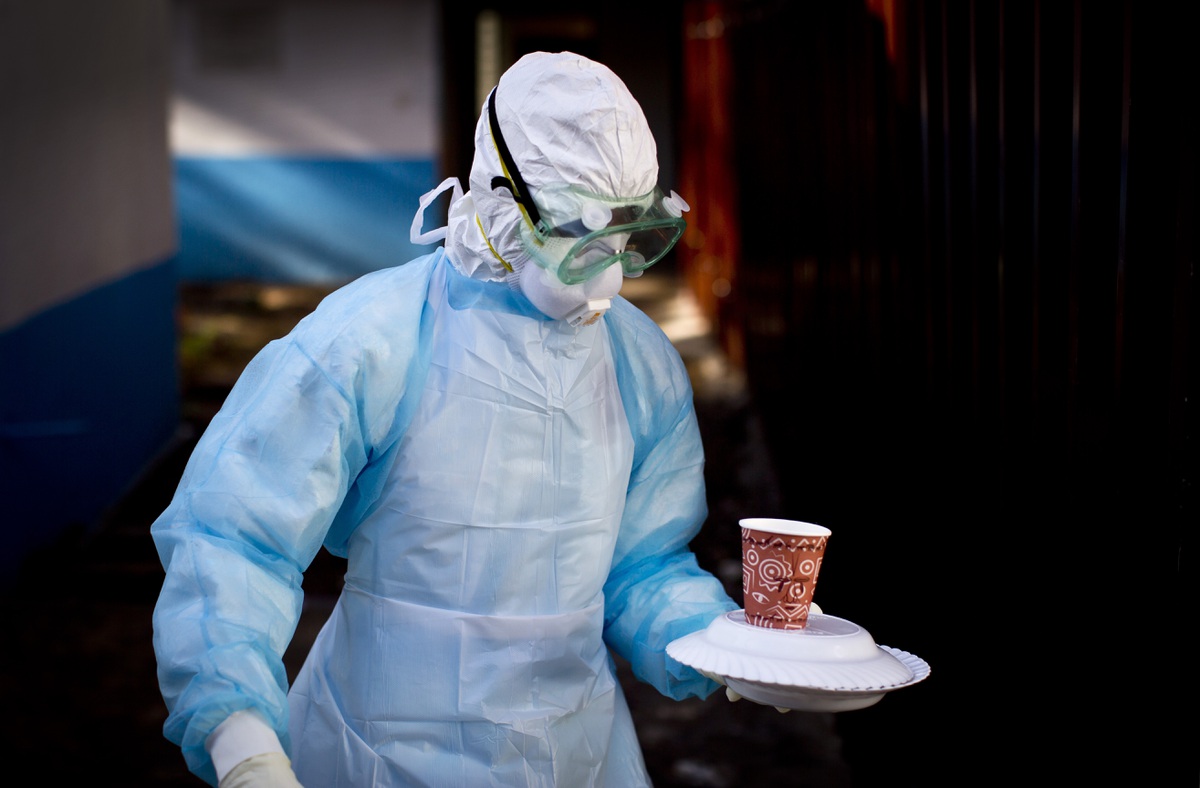
- Infection prevention and control: Teams enforce strict protocols in health care facilities, including the use of personal protective equipment (PPE), hand hygiene, dedicated isolation wards, and decontamination of surfaces and materials. Strict use of PPE by health care workers when treating patients, alongside rigorous hand hygiene and sanitation protocols, has minimized nosocomial transmission. [5, 29]
- Safe and dignified burials: Special burial teams carry out procedures that prevent exposure to infectious fluids, a major risk factor identified in past outbreaks. Traditional burial practices involving close contact with deceased bodies were identified as major transmission routes in past outbreaks, including Angola (2005). [30, 35]
- Community engagement: Authorities prioritize clear, transparent communication to win public cooperation, combat stigma and improve the reporting and management of cases. Educating communities on transmission risks, symptoms and prevention strategies helped foster cooperation with health measures like isolation and safe burials, overcoming fear and stigma. [27, 32]
- Cross-border coordination: African health officials now work closely with neighboring countries to share data and keep border regions on alert, reducing regional risk. [27]
- Sexual transmission management: Condom use reduces risk of possible sexual transmission. [9, 35]
- Integrated One Health approaches: Coordinating human, animal and environmental health surveillance has helped identify zoonotic sources early and reduce spillover risks. The latest outbreaks show countries integrating Marburg control efforts with those for other diseases (e.g., Mpox), maximizing resources and improving early warning systems. [1, 9]
Lessons from past outbreaks
- Early detection is critical: Delays in recognizing outbreaks can lead to explosive spread. Rapid response, as seen in Ethiopia now and Rwanda in 2024, dramatically improves outcomes. Early detection of symptomatic patients and their immediate isolation reduces opportunities for the virus to spread. [28, 35]
- Community resistance can undermine response: Distrust, fear of isolation and traditional practices delayed containment in Angola (2005) and elsewhere. Health authorities now emphasize culturally sensitive education and work closely with community leaders. [30]
- Health care worker protection: Past outbreaks saw high nosocomial (hospital-based) spread. Routine health care worker training, PPE and clear protocols have reduced staff infection rates and improved hospital preparedness. Training health care staff on IPC measures was a major lesson from past outbreaks. [5, 29]
- Safe burial as core response: High-risk traditional burial practices are now addressed directly by involving families in safe burial planning, reducing secondary spread. [5, 29]
- Laboratory testing and genomic surveillance: Improved diagnostics enable fast confirmation of cases and understanding of outbreak dynamics, allowing more targeted interventions. This reduces unnecessary quarantine and focuses resources efficiently. [5]
- Ongoing risk communication and support: Ongoing risk communication and survivor support programs — focusing on stigma reduction and reintegration — are now standard, supporting both containment and long-term recovery. [26, 34]
Preventing infection
- Avoid direct contact with sick individuals or those suspected of Marburg infection. [5]
- Practice strict hand hygiene and use PPE in health care settings and when caregiving. [5]
- Avoid handling fruit bats and carefully disinfect surfaces and clothing exposed to sick individuals. [5]
- Community education and contact tracing are vital during outbreaks. [4]
Sources
[1] https://www.aljazeera.com/news/2025/11/17/ethiopia-confirms-three-marburg-deaths-as-outbreak-sparks-regional-alarm
[2] https://brewminate.com/first-marburg-virus-outbreak-what-we-know-and-why-experts-are-watching-closely/
[3] https://www.moneycontrol.com/world/ethiopia-confirms-first-marburg-outbreak-as-who-warns-of-cross-border-risk-article-13681246.html
[4] https://abcnews.go.com/International/wireStory/ethiopia-confirms-3-marburg-virus-deaths-new-outbreak-127589925
[5] https://www.who.int/news-room/fact-sheets/detail/marburg-virus-disease
[6] https://pmc.ncbi.nlm.nih.gov/articles/PMC10526840/
[9] https://pmc.ncbi.nlm.nih.gov/articles/PMC12188858/
[11] https://www.cdc.gov/marburg/outbreaks/index.html
[14] https://www.gavi.org/vaccineswork/marburg-virus-outbreaks-are-increasing-frequency-and-geographic-spread-three
[15] https://www.gov.uk/guidance/marburg-virus-disease-origins-reservoirs-transmission-and-guidelines
[16] https://africacdc.org/disease/marburg-virus-disease-mvd/
[18] https://www.nature.com/articles/d41586-024-03275-8
[20] https://pmc.ncbi.nlm.nih.gov/articles/PMC2876776/
[22] https://www.vetmed.ucdavis.edu/news/marburg-virus-found-sierra-leone-bats
[23] https://pmc.ncbi.nlm.nih.gov/articles/PMC6649326/
[26] https://reliefweb.int/report/ethiopia/ethiopia-marburg-virus-disease-outbreak-cdc-who-echo-daily-flash-17-november-2025
[27] https://allafrica.com/stories/202511170007.html
[28] https://africacdc.org/news-item/africa-cdc-statement-on-confirmed-marburg-virus-disease-in-jinka-southern-region-ethiopia/
[29] https://www.who.int/emergencies/disease-outbreak-news/item/2025-DON559
[30] https://pmc.ncbi.nlm.nih.gov/articles/PMC12405597/
[32] https://netec.org/2025/01/22/situation-report-marburg-virus-disease-in-tanzania/
[34] https://reliefweb.int/report/ethiopia/africa-cdc-statement-confirmed-marburg-virus-disease-jinka-southern-region-ethiopia
First Appeared on
Source link






