


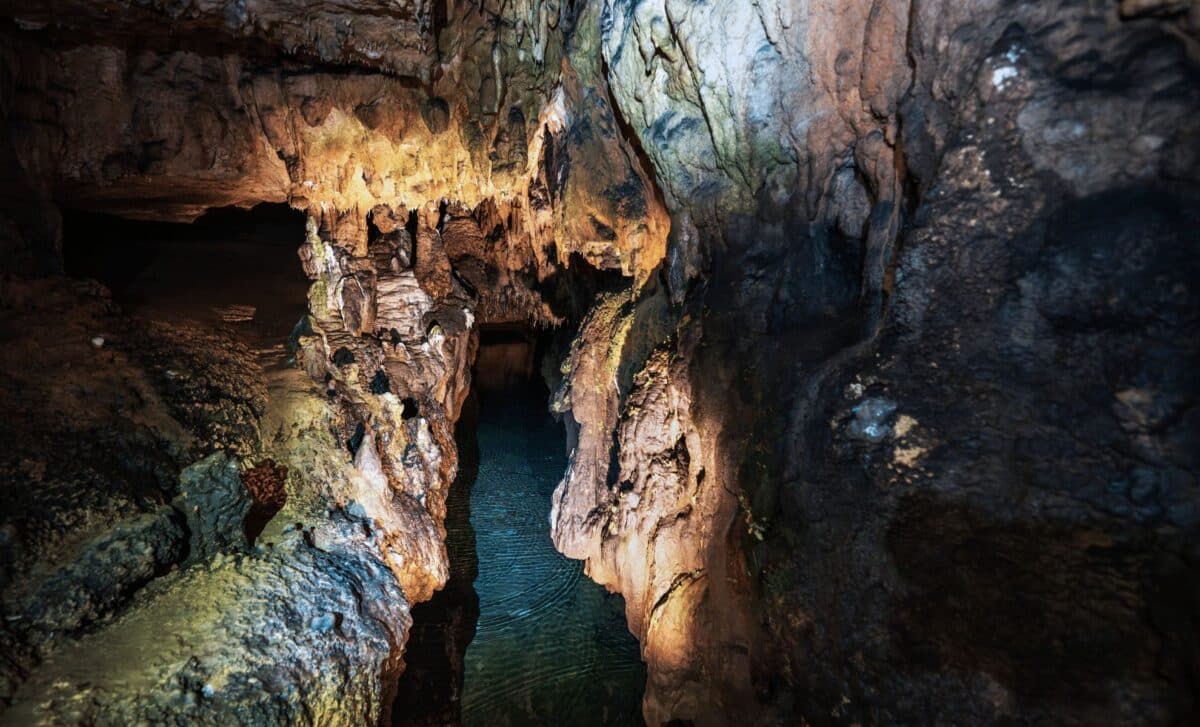
Water Older Than Dinosaurs Found 2.6 Billion Years Deep, But You Definitely Don’t Want to Drink It
Deep beneath the Earth’s surface, researchers have stumbled upon something truly remarkable: pockets of water that have been trapped for over a billion years. It may sound like the plot of a science fiction novel, but this discovery, made in a Canadian mine, could hold secrets not just about life on Earth, but also about the possibility of life on other planets. It’s old, salty, and definitely not something you’d want to drink, but the fact that it’s still there, preserved in isolation for so long, is raising some eyebrows in the scientific community.
The water, extracted from a zinc and copper mine near Timmins, Ontario, is so ancient that scientists are still processing the magnitude of what it might mean. This liquid could potentially house microscopic life forms, living in a kind of time capsule.
Water That’s Older Than Civilization
When Barbara Sherwood Lollar, an Earth sciences professor at the University of Toronto, first suspected the presence of ancient water deep in the Timmins mine, she didn’t quite expect the results that followed. What initially seemed like a hunch turned into a groundbreaking discovery. With the help of a team of British researchers who developed a method to measure the build-up of noble gas isotopes, they managed to pinpoint the water’s age.
According to the findings in the journal Nature, it is somewhere between 1.5 and 2.6 billion years old. This water could be nearly as old as the Earth itself. Trapped in fractures of rock that date back to the time when the Earth was still a young planet, this find could have been sealed in isolation when the area was submerged under ancient oceans.
The idea that such a small, isolated pocket of water could survive all this time, almost untouched, raises interesting questions about Earth’s deep past.
Not the Water You’d Want to Drink
Now, before you start imagining a cold drink of water from the deep Earth, here’s the catch: this water is not only undrinkable, it’s also quite dangerous for humans.
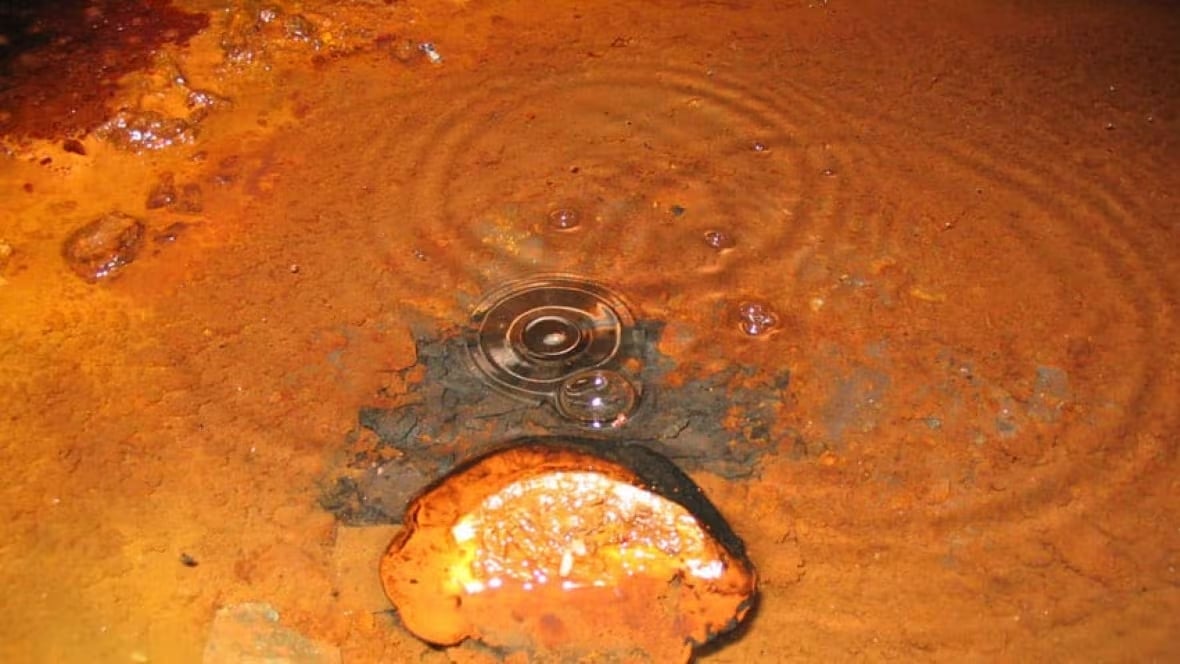
As explained by Sherwood Lollar, the fluid is warm, and it’s much saltier than seawater. But that’s not all, it’s also filled with dissolved hydrogen, methane, and noble gases. While it sounds like the recipe for a science experiment gone wrong, these gases could provide energy for microscopic life forms to thrive.
Although it’s not the kind you’d casually dip your hand into, its unique chemical composition could help researchers understand how life might survive in similar extreme conditions.
Life Beneath the Surface: What It Means for Mars?
If life can exist in the deep, dark recesses of our planet where sunlight can’t reach, maybe life could be lurking beneath the surface of Mars as well.
“Equally on somewhere like Mars, any life that formed could have found its way into similar pockets of water in the Martian crust, and our work shows that these pockets of water can survive and provide a place for the life to have survived long after the surface of Mars lost its water and became sterile,” said Chris Ballentine, professor of geochemistry at the University of Manchester in the United Kingdom.
Dr. Greg Holland of Lancaster Environment Centre, and the lead author of the study, also points out in a statement that:
“What we can be sure of is that we have identified a way in which planets can create and preserve an environment friendly to microbial life for billions of years. This is regardless of how inhospitable the surface might be, opening up the possibility of similar environments in the subsurface of Mars.”
First Appeared on
Source link






